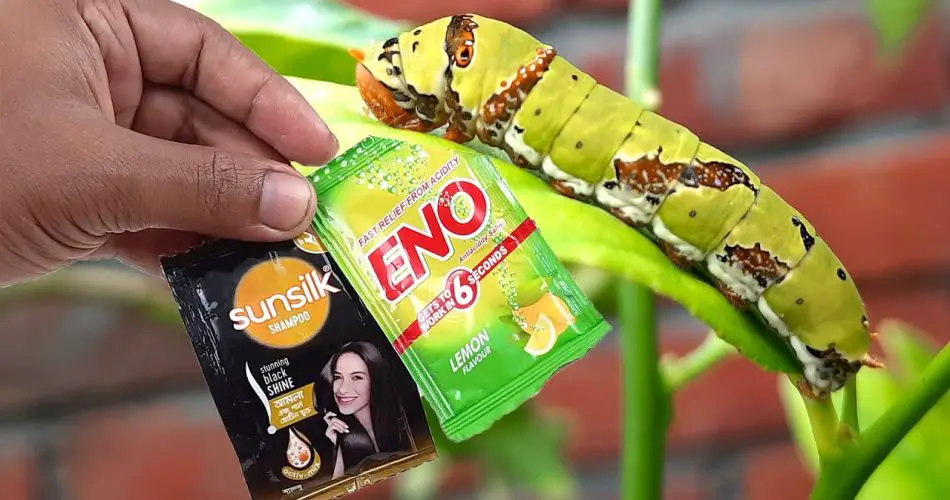
Dealing with mealybugs, insects, and fungus on your plants can be a frustrating task. These pests and fungal infections can damage your beloved garden and houseplants. Fortunately, there’s an easy and natural pesticide you can make using two common household items: ENO (a popular antacid) and shampoo. This pesticide is effective, eco-friendly, and simple to create, providing a safe alternative to harsh chemical pesticides.
Let’s dive into how to make and use this pesticide to keep your plants healthy and pest-free!

Why Use Eno and Shampoo for Pest Control?
- Eno contains sodium bicarbonate (baking soda), which is known to combat fungal infections and helps repel certain pests like aphids and mealybugs.
- Shampoo, particularly mild or organic varieties, contains detergents that act as surfactants, allowing the solution to spread evenly over the leaves and effectively kill insects by disrupting their cell membranes.
Together, these ingredients can effectively control mealybugs, fungus, and various insects while being safe for your plants and the environment.
How to Make the Best Pesticide Using Eno and Shampoo
Here’s a simple step-by-step guide to prepare your own pesticide:
Ingredients:
- 1 teaspoon of Eno (lemon flavor or regular)
- 2 tablespoons of mild shampoo (organic or baby shampoo works best)
- 1 liter of water (preferably filtered or distilled)
Instructions:
- Mix the Ingredients:
- In a clean spray bottle, add 1 teaspoon of ENO powder.
- Pour in 2 tablespoons of your chosen shampoo.
- Fill the bottle with 1 liter of water.
- Shake Well:
- Close the bottle and shake it thoroughly to ensure that the ENO and shampoo are fully dissolved and mixed.
- Spray the Solution:
- Before spraying, make sure to test the solution on a small part of the plant to check for any adverse reactions.
- If the plant responds well, spray the mixture evenly over the leaves, stems, and soil where you notice pests or fungus.
- Pay special attention to the undersides of leaves and hidden spots where pests tend to hide.
How Does It Work?
- The shampoo works as a mild detergent that disrupts the exoskeleton of insects like mealybugs, aphids, and spider mites, causing them to suffocate and die.
- The ENO acts as a fungicide, preventing the growth and spread of fungal infections like powdery mildew and rust. The sodium bicarbonate creates an inhospitable environment for fungi and pests.
Together, they make a powerful, natural pesticide that is gentle on your plants but tough on pests.
When to Apply the Eno-Shampoo Pesticide:
- Weekly Application: For mild pest or fungus infestations, spray once a week until you notice improvements.
- Severe Infestation: If you have a more serious pest problem, you may apply the solution every 4-5 days until the issue is under control.
- Morning or Evening Application: Apply the pesticide early in the morning or in the evening when the sun is not too strong. This helps prevent leaf burn caused by direct sunlight after spraying.
Tips for Best Results:
- Avoid over-wetting your plants: While spraying, make sure the solution is applied evenly, but avoid drenching the plant. Over-wetting can lead to root rot or mold growth.
- Reapply after rain: If it rains, reapply the pesticide to ensure continued protection from pests and fungi.
- Combine with other organic methods: You can also use companion planting, diatomaceous earth, or neem oil alongside this pesticide for extra protection.
- Healthy soil and good watering habits are crucial in maintaining a pest-free environment. Ensure your plants are not overwatered and that they have good drainage to avoid creating a habitat for pests.
Conclusion: A Natural Solution for Pests and Fungi
Creating your own natural pesticide using ENO and shampoo is a cost-effective and easy-to-make solution for tackling mealybugs, insects, and fungal infections on your plants. This DIY pesticide is gentle on plants, effective on pests, and much safer for the environment compared to chemical alternatives.
By regularly using this pesticide, you can keep your plants healthy and free from pests without using harmful chemicals. With just a few ingredients you likely already have at home, you can create a powerful solution that works wonders for your garden!