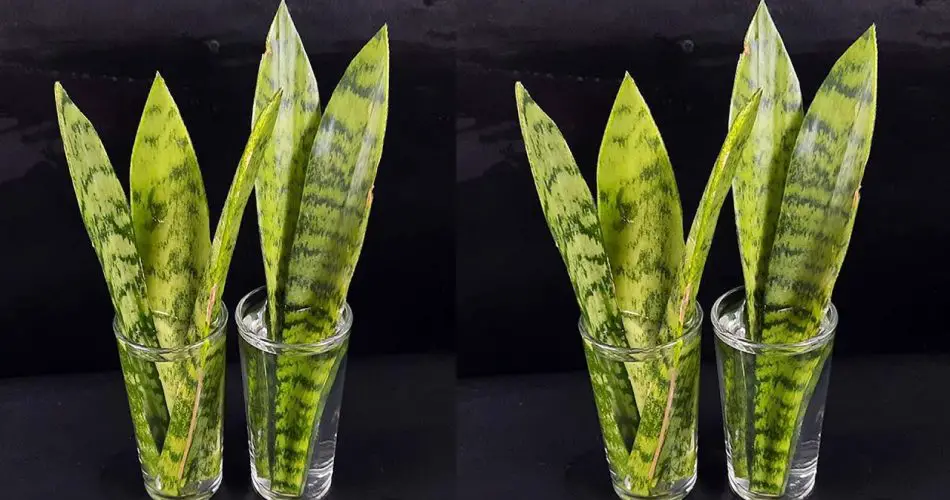
Snake plants, also known as Sansevieria or Mother-in-Law’s Tongue, are one of the easiest houseplants to care for. They are known for their striking sword-like leaves and ability to thrive in low-light conditions. Did you know that you can easily propagate a snake plant by simply using a cutting in water? This simple propagation method allows you to grow new plants with minimal effort. In this article, we’ll show you how to propagate a snake plant using water and how to care for it during the process.
Why Propagate Snake Plants in Water?
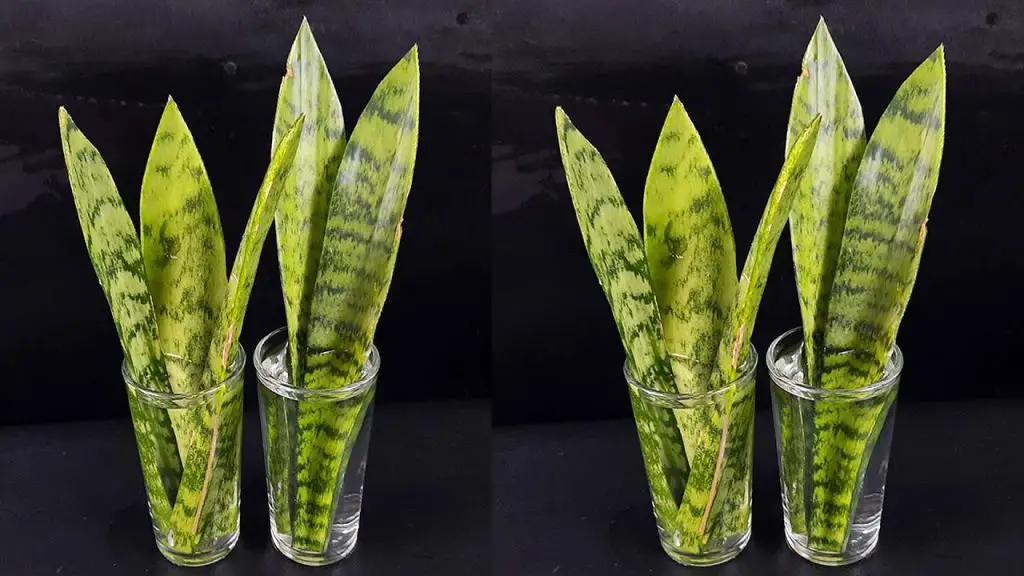
Propagating a snake plant in water is a straightforward method that requires just a few simple steps. Water propagation allows you to see the roots develop before transferring the cutting to soil, which makes it a rewarding process for new gardeners. Water also creates a moisture-rich environment that encourages the growth of new roots, giving your snake plant the best chance of thriving.
Materials You’ll Need:
To propagate a snake plant in water, you’ll need the following:
- Healthy snake plant (Sansevieria) to take the cutting from
- Sharp scissors or pruning shears
- A clear jar or glass for water propagation
- Filtered water (Avoid tap water that contains chlorine)
- A well-lit area (but not direct sunlight)
Step-by-Step Guide to Propagating Snake Plants in Water:
1. Select the Right Cutting
- Choose a healthy leaf from the snake plant. Look for a mature leaf that’s free of damage or disease.
- Using sharp scissors or pruning shears, cut a leaf about 4-6 inches long from the base. Make sure you make a clean cut to avoid damaging the plant.
- It’s important to note that the cutting should be taken from the bottom part of the leaf where it connects to the main plant. This is where the roots will grow from.
2. Prepare the Cutting
- After cutting the leaf, place it in a dry spot for 1-2 days to allow the cut end to callus over. This step helps prevent the cutting from rotting once placed in water.
- Be sure to label the cutting, noting the top and bottom, as snake plants will only root from the correct orientation.
3. Place the Cutting in Water
- Fill a jar or glass with filtered water, ensuring the cut end of the leaf is submerged.
- The rest of the leaf should remain above the waterline to prevent it from rotting.
- Place the jar in a bright, indirect light location. Avoid placing it in direct sunlight, as this could cause the water to overheat and damage the cutting.
4. Wait for the Roots to Grow
- Within a few weeks, you should begin to notice small roots forming at the bottom of the cutting.
- Change the water every few days to keep it fresh and to prevent stagnation.
- Be patient, as it may take 3-4 weeks for noticeable root growth. You’ll see new roots forming, and the cutting will begin to develop a stronger foundation for transferring to soil.
5. Transplant the Cutting to Soil
- Once your cutting has developed healthy roots (about 2-3 inches long), it’s time to plant it in a pot with well-draining soil.
- Gently remove the cutting from the water, and place it in a small pot filled with cactus or succulent soil mix.
- Press the soil around the cutting to hold it in place, and water lightly.
Tips for Success When Propagating Snake Plants in Water:
- Be patient: Snake plants are slow-growers, and it may take time for roots to fully develop in water.
- Avoid direct sunlight: Direct sun exposure can harm the cutting and cause the water to heat up, which could kill the roots.
- Use clean water: Filtered or distilled water is best, as it prevents harmful chemicals like chlorine from affecting the cutting.
- Change the water regularly: Replace the water every 2-3 days to prevent any bacteria or mold growth.
- Do not submerge too much of the leaf: Only the cut end should be in water. Keeping the rest of the leaf dry prevents rot.
Conclusion: Simple and Rewarding Snake Plant Propagation
Propagating snake plants in water is an easy and effective method to create new plants. With just a cutting, water, and a little patience, you can grow a beautiful snake plant that will thrive in your home. The process allows you to watch the roots develop and gives you an exciting way to grow your plant collection.
By following the simple steps outlined above, you’ll soon have multiple snake plants growing from a single parent plant. It’s a fun and satisfying way to enjoy the beauty of this hardy, low-maintenance plant in new locations around your home. Happy propagating! 🌱💧