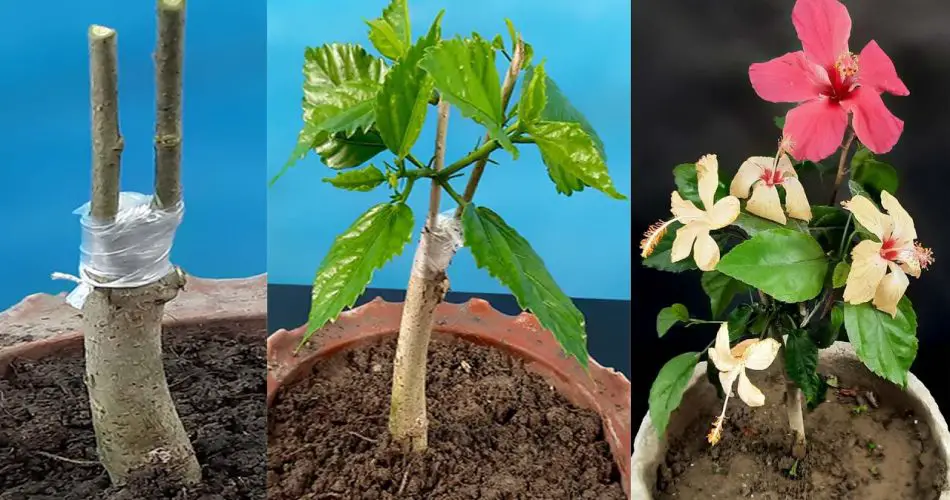
Have you ever wondered if it’s possible to grow multiple colors of hibiscus flowers on a single tree? The answer is yes! Using a technique called grafting, you can combine different hibiscus varieties onto one tree, creating a stunning and colorful display.
Grafting is a method of joining parts from different plants to form a new, single plant. This technique allows you to enjoy multiple flower colors from the same tree, without needing to plant separate bushes. In this article, we will walk you through how to graft hibiscus trees and create your very own colorful masterpiece!
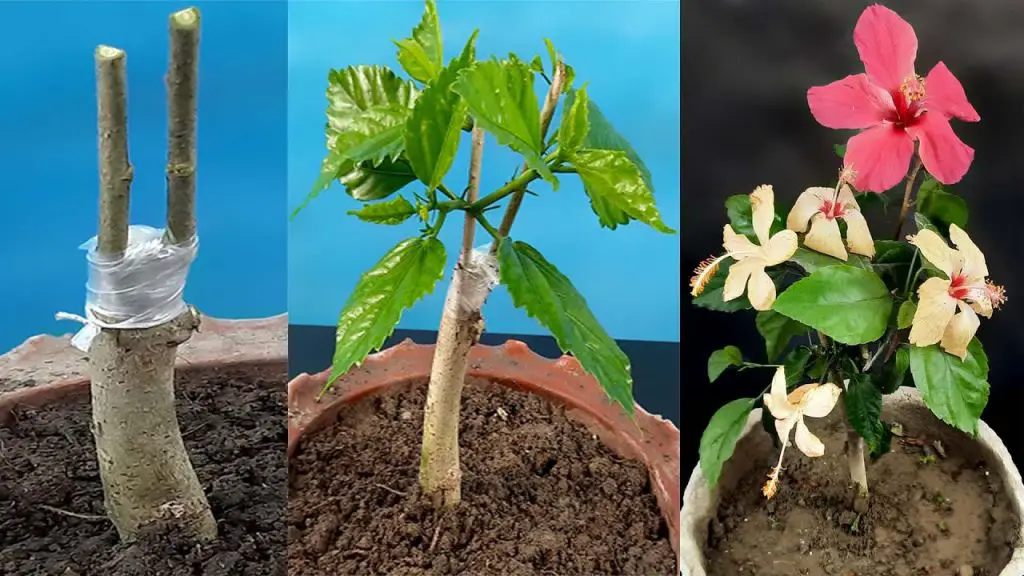
Why Graft Hibiscus Trees?
- Multiple Colors in One Tree: Grafting enables you to grow red, pink, white, yellow, or even purple hibiscus flowers on a single plant, creating a breathtaking mix of hues.
- Space Saving: Instead of planting different hibiscus varieties in separate pots or spaces, grafting allows you to enjoy multiple types in one location, saving garden space.
- Easy to Care For: By grafting various hibiscus colors onto one tree, you only need to focus on caring for one tree, making maintenance more manageable.
What You Need for Grafting Hibiscus Trees:
Before you start grafting, make sure you have all the necessary tools and materials to succeed:
Tools & Materials:
- Healthy hibiscus tree (the base or rootstock)
- Hibiscus scions (healthy cuttings from different hibiscus varieties)
- Sharp knife or pruning shears
- Grafting tape or parafilm (to hold the grafts in place)
- Rooting hormone (optional, for better success rate)
- Plastic bags or grafting wax (for protecting the grafted area)
Step-by-Step Guide to Grafting Hibiscus Trees:
1. Choose a Healthy Rootstock:
- Start with a healthy hibiscus tree that will act as the rootstock. Choose a robust variety, ideally with a sturdy trunk. This tree will be the base onto which you’ll graft different hibiscus branches.
- Make sure your rootstock is free of pests and disease for the best chances of success.
2. Select Your Scions:
- Scions are the healthy branches or cuttings from other hibiscus trees that you want to graft onto the rootstock. Select branches with strong stems and healthy buds from your desired hibiscus varieties.
- You can choose multiple color varieties to graft and create a multi-colored hibiscus tree.
3. Prepare the Scions and Rootstock:
- Cut the scions at a 45-degree angle using a sharp knife to ensure a clean cut. The cut should be about 4-6 inches long with at least two buds.
- On the rootstock, make an incision that matches the shape of the scion’s cut. This can be a T-shaped cut or a simple slanting cut depending on your grafting style.
4. Graft the Scions onto the Rootstock:
- Carefully insert the scion into the prepared cut on the rootstock, ensuring that the cambium layers (the green part just under the bark) of both the rootstock and scion are aligned. This is crucial for the graft to take.
- Secure the graft by wrapping the union with grafting tape or parafilm. This will hold the parts together and prevent moisture loss.
5. Protect the Grafted Area:
- After grafting, cover the entire grafted area with a plastic bag or grafting wax to retain moisture and protect the graft from the elements. This helps the graft heal properly.
- Keep the grafted tree in a shaded area for a few weeks until it starts to show signs of growth.
6. Care for the Grafted Tree:
- Water the tree regularly, but avoid over-watering. Make sure the grafted areas are not disturbed or exposed to too much sun.
- Once the scion begins to take root and show new growth, carefully remove the grafting tape or film.
- Allow the tree to grow and mature, and you should begin to see multiple colors blooming from your grafted hibiscus tree!
Tips for Successful Hibiscus Grafting:
- Timing: The best time for grafting is during the growing season (spring or early summer), as the trees are actively growing.
- Graft Multiple Scions: You can graft several scions onto the same rootstock for a tree that blooms in a wide variety of colors. Just make sure the rootstock is strong enough to support multiple grafts.
- Patience is Key: Grafting takes time. It may take a few weeks or months before you see successful grafting and blooming.
Conclusion: Enjoy a Rainbow of Hibiscus Flowers!
Grafting hibiscus trees is a creative and rewarding way to grow different colors of flowers on a single tree. Whether you’re looking for a tree that blooms in a spectrum of colors or simply want to save space in your garden, hibiscus grafting is a perfect solution.
By following the steps outlined above, you can enjoy a beautiful, colorful display of hibiscus flowers throughout the year. Happy grafting, and may your hibiscus tree flourish in a variety of hues!