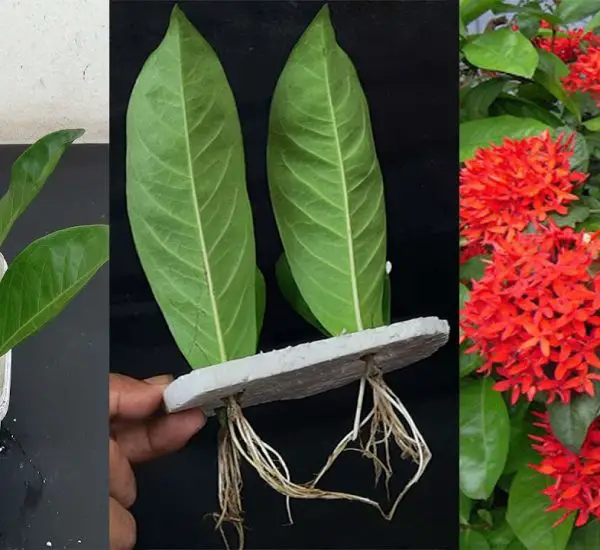
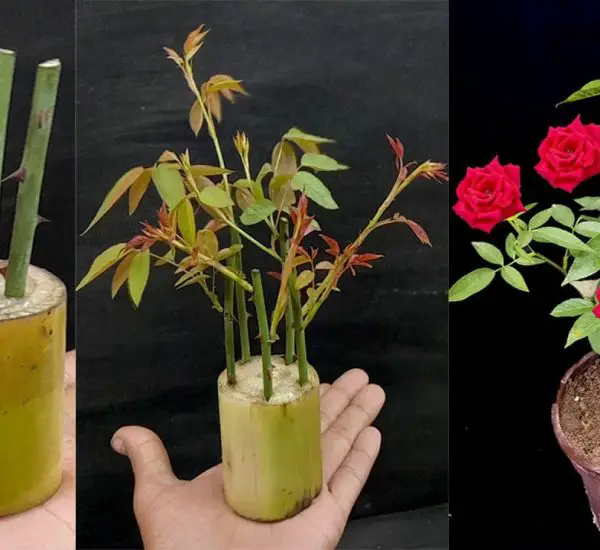
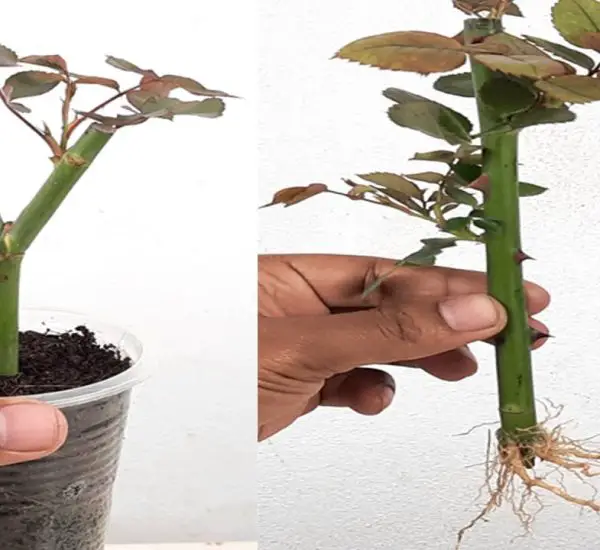
Growing hibiscus from cuttings is a fantastic way to propagate this beautiful flowering plant, and using aloe vera as a rooting hormone can significantly improve your chances of success. Aloe vera is a natural and effective way to encourage the growth of roots on cuttings, making it an ideal option for gardeners who want a simple and organic method for propagation.
Why Aloe Vera for Rooting?
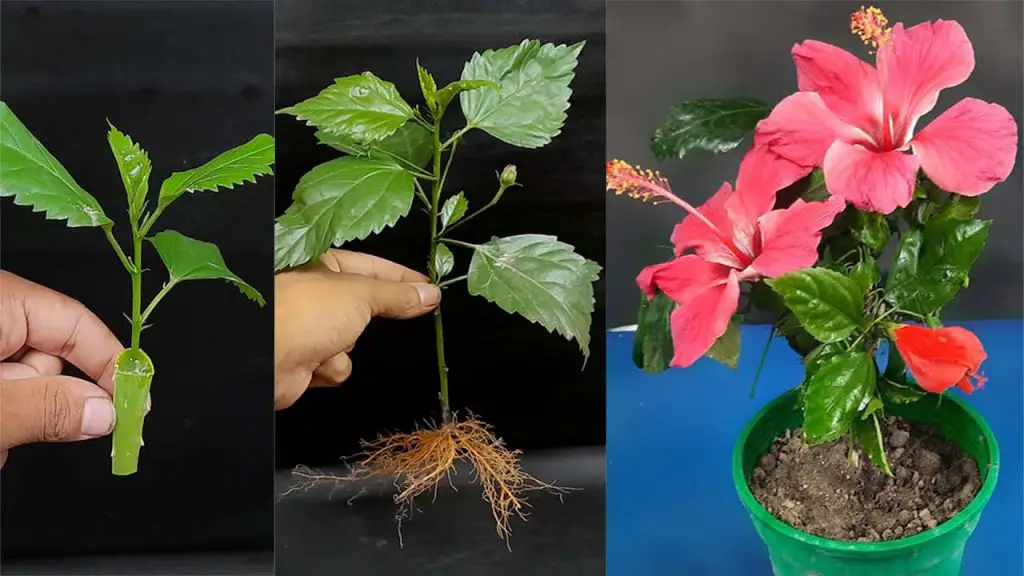
Aloe vera is packed with nutrients and enzymes that promote root growth and healing. The gel inside the aloe vera leaf contains gibberellins, plant hormones that stimulate cell division and encourage the formation of roots. This makes it an excellent alternative to synthetic rooting hormones, which can sometimes be harsh on plants.
Step-by-Step Guide to Growing Hibiscus Cuttings with Aloe Vera
- Select Healthy Cuttings Start by choosing a healthy hibiscus plant with strong, disease-free stems. Use sharp scissors or pruning shears to take cuttings that are about 4-6 inches long, making sure the cutting has a few leaves attached. Avoid using any stems that are too old or too soft.
- Prepare Aloe Vera Gel Cut a fresh aloe vera leaf and extract the gel from the inside. You can simply cut the leaf open and scrape out the gel with a spoon. You need a generous amount of aloe vera gel to coat the base of the cutting.
- Dip the Cutting in Aloe Vera Gel Coat the bottom of your hibiscus cutting with the fresh aloe vera gel. Ensure that the cutting’s end is completely covered. This will help seal the cut and stimulate the development of new roots.
- Prepare the Potting Soil Choose a small pot and fill it with well-draining potting mix. Hibiscus plants prefer soil that is both moist and well-drained, so ensure the pot has drainage holes to prevent water from pooling.
- Plant the Cutting Make a small hole in the soil with your finger or a pencil, and insert the cutting into the soil. Gently press the soil around the cutting to ensure it is securely in place.
- Water and Maintain Moisture Water the cutting lightly, ensuring that the soil is moist but not soaked. Keep the pot in a warm, bright location that receives indirect sunlight. Avoid placing it in direct sunlight, as this can stress the cutting. You can cover the pot with a clear plastic bag to create a mini greenhouse effect and retain humidity around the cutting.
- Wait for Roots to Develop Over the next few weeks, check the cutting regularly for new root growth. Be patient, as root development can take several weeks. Aloe vera will continue to provide nutrients and encourage the process.
- Transplant Once Roots Have Formed Once your hibiscus cutting has developed a strong root system, it can be transplanted into a larger pot or directly into your garden. Make sure to water the newly transplanted plant regularly and care for it as you would a mature hibiscus plant.
Why This Method Works
Using aloe vera as a rooting hormone is an organic and effective method for propagating hibiscus. Aloe vera helps create the perfect environment for rooting, ensuring the cutting receives the necessary nutrients without the use of harmful chemicals. The natural properties of aloe vera make it a gentle and safe choice for gardeners, promoting healthy root development and reducing the chances of rotting.
Conclusion
Growing hibiscus from cuttings is made easy with the natural benefits of aloe vera rooting hormone. This simple, affordable, and organic method ensures that you can enjoy a beautiful hibiscus garden without the need for synthetic chemicals. By following these easy steps, you can propagate your hibiscus successfully and watch it thrive in your home or garden!