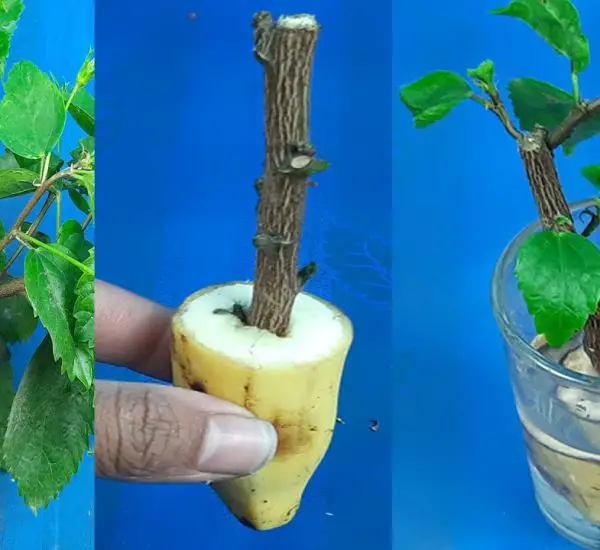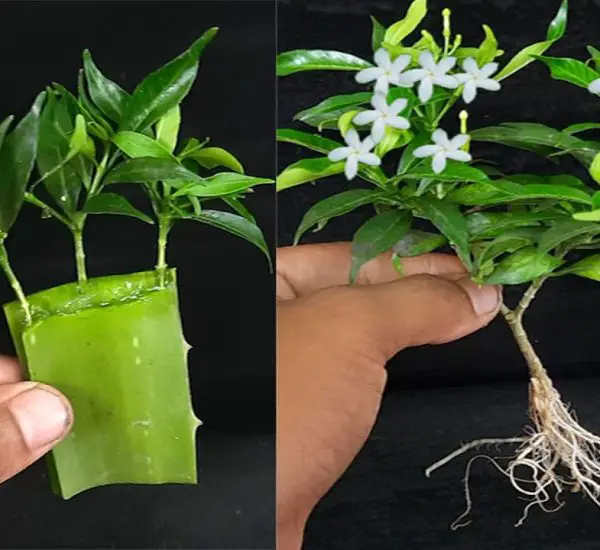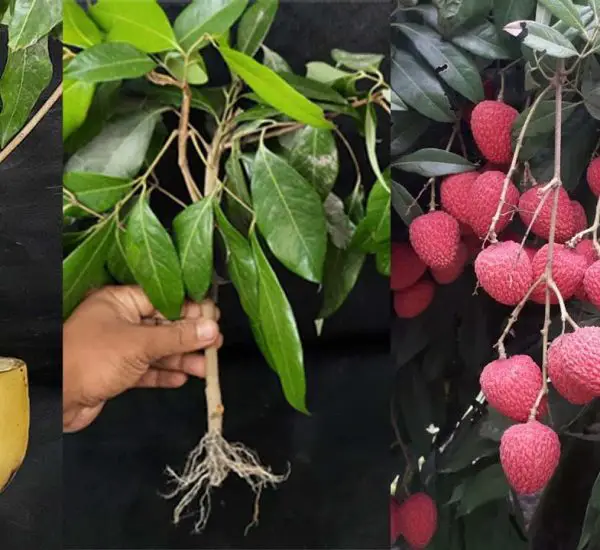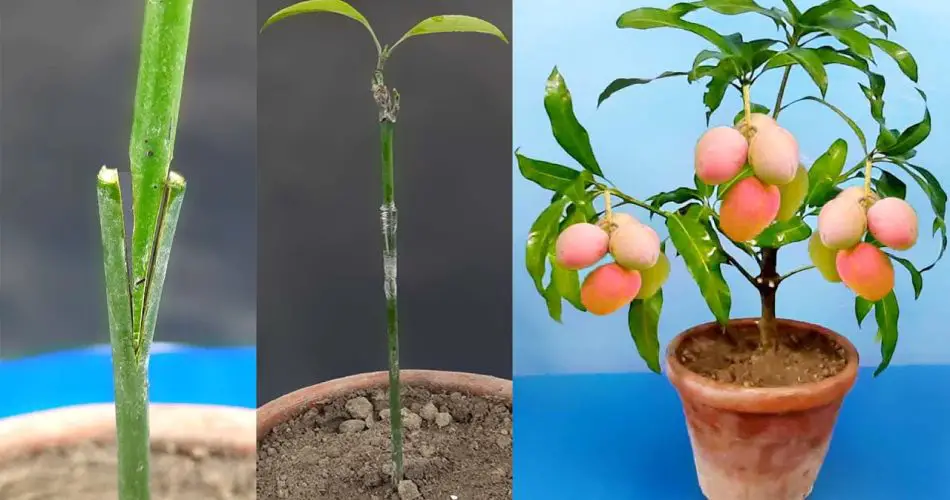
Mango trees are prized for their delicious fruit, vibrant blossoms, and broad, lush leaves. While mango trees traditionally thrive in tropical and subtropical climates, you can successfully grow a mango tree in a pot even if you don’t live in a tropical region. Using a special grafting technique, you can ensure a higher success rate when growing mango trees in containers, giving you a bountiful harvest of fresh, homegrown mangoes. In this article, we’ll explore how to grow a mango tree in a pot and share an amazing grafting technique that guarantees a 100% success rate.

Why Grow Mango Tree in a Pot?
Growing a mango tree in a pot offers several advantages:
- Portability: You can move the tree to follow the sun or protect it from extreme weather.
- Space-saving: Ideal for small gardens, balconies, or patios, where ground space is limited.
- Control: Growing in a pot allows you to control the soil quality, watering, and overall health of the tree.
Additionally, container-grown mango trees can still produce delicious fruit if properly cared for, and they can be a beautiful ornamental feature.
Choosing the Right Pot and Soil for Your Mango Tree
When growing a mango tree in a pot, the first thing to consider is the size of the container. Choose a large, sturdy pot with a drainage hole to allow excess water to escape. The ideal size for a young mango tree is at least 15-20 gallons, and as the tree grows, you can gradually move it into a larger pot.
For the soil, mango trees prefer well-draining soil with a slightly acidic to neutral pH. A mix of potting soil, sand, and perlite works well to ensure good drainage and root aeration.
Amazing Grafting Technique for Mango Trees
While growing a mango tree from seed is possible, it often takes many years to produce fruit, and the resulting tree may not have the same desirable traits as the parent plant. To speed up the process and ensure a healthy, high-yielding tree, grafting is an amazing technique that can provide 100% success if done correctly.
What is Grafting?
Grafting involves attaching a scion (the desired variety of mango tree) to a rootstock (a different mango tree or related species). The rootstock provides a strong, disease-resistant root system, while the scion provides the fruiting variety. By grafting, you can ensure that your mango tree will produce the same quality fruit as the parent tree, and you can also speed up the process of fruit production.
Step-by-Step Guide to Grafting Mango Trees
1. Select Healthy Scion and Rootstock
Choose a healthy mango tree for the rootstock. This tree should be vigorous, disease-resistant, and about 1-2 years old. For the scion, select a healthy branch from a mature mango tree that produces the variety of fruit you desire. The scion should be about 6-8 inches long and come from a tree that is known for good fruit production.
2. Prepare the Rootstock
Using a sharp knife or pruning shears, make a clean, diagonal cut about 6-8 inches above the soil level of the rootstock. The cut should be clean and smooth to allow for proper graft union. Make sure the rootstock is healthy and free from pests or diseases.
3. Prepare the Scion
At the bottom of the scion, make a diagonal cut that matches the angle of the cut on the rootstock. The cut should expose the cambium layer, which is the thin, green tissue just beneath the bark. The cambium layers of the scion and rootstock must align for the graft to take successfully.
4. Join the Scion and Rootstock
Carefully place the cut end of the scion onto the cut end of the rootstock. The cambium layers of both the scion and rootstock must align precisely for the graft to take. Once aligned, gently press the two pieces together, ensuring they are firmly connected.
5. Secure the Graft
Use grafting tape or rubber bands to hold the scion and rootstock tightly together. The scion should be secure enough that it doesn’t move, but not so tight that it restricts growth. Optionally, you can cover the graft with grafting wax or paraffin to seal the cut and prevent moisture loss.
6. Wrap and Protect the Graft
After securing the graft, wrap the entire area with a layer of plastic wrap or use a grafting bag to protect the graft from the environment. This helps keep the graft area humid and reduces stress on the plant. Place the grafted mango tree in a warm, shaded area where it can receive indirect sunlight.
7. Wait for Graft Union to Heal
Over the next few weeks, the scion and rootstock will begin to heal and form a strong union. During this time, keep the grafted tree in a humid environment and make sure the soil stays moist, but not waterlogged. Check the graft periodically to see if the scion is starting to bud or show signs of new growth.
8. Care for the New Mango Tree
Once the graft is successful, and new growth appears on the scion, you can begin gradually exposing the tree to more direct sunlight. You should also prune any unwanted growth from the rootstock to ensure that the energy goes into the scion. Over time, your mango tree will start to grow more vigorously, and you will eventually see flowers and fruit.
Tips for Grafting Mango Trees with 100% Success
- Use the Right Tools: Clean, sharp tools are essential for making clean cuts. A grafting knife and pruning shears work best for this purpose.
- Timing: The best time to graft mango trees is during the growing season, preferably in the spring or early summer, when the plant is actively growing.
- Proper Alignment: Ensuring that the cambium layers of the scion and rootstock align perfectly is crucial for graft success.
- Humidity: Keep the grafted tree in a humid environment to reduce transplant shock and promote healing.
- Patience: Grafting takes time. After about 6-8 weeks, you should see new growth on the scion, signaling that the graft has successfully taken.
Conclusion
By using the amazing grafting technique, you can easily grow a mango tree in a pot and enjoy fresh, homegrown mangoes in a fraction of the time it would take to grow one from seed. Grafting allows you to propagate high-quality mango trees with a strong root system and ensures that your tree produces the same delicious fruit as the parent tree. Whether you’re looking to create a beautiful container garden or grow a productive mango tree in your small space, grafting is the key to success. Follow these simple steps, and enjoy your very own mango tree with 100% success results!