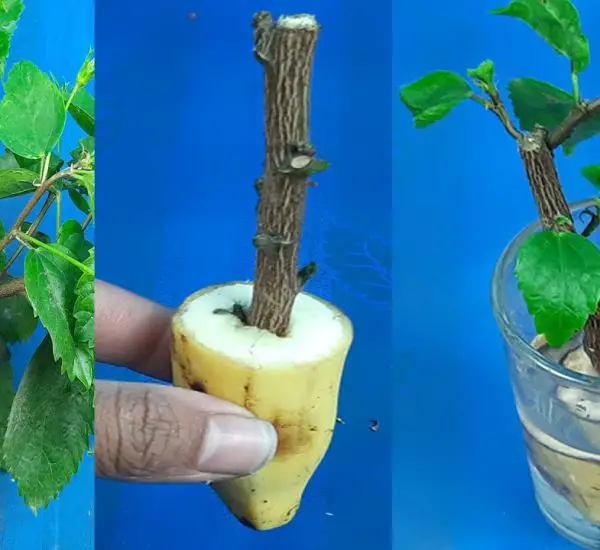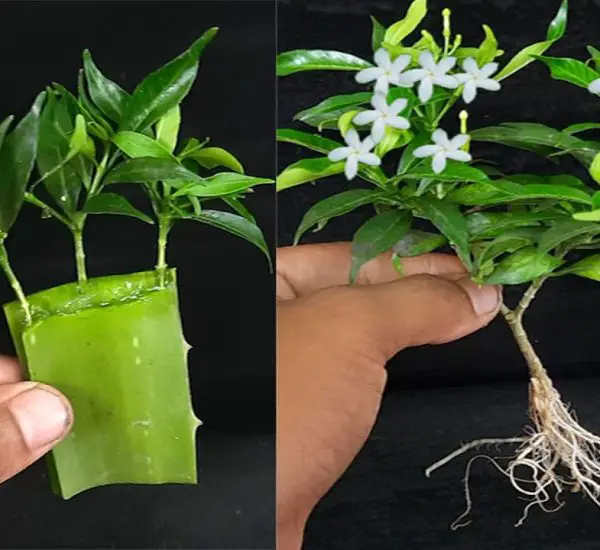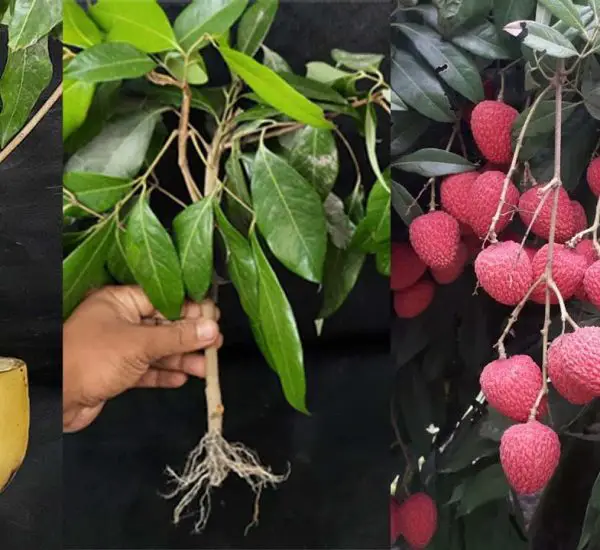
Lemon trees are a popular choice for home gardeners because of their fragrant blossoms and the delicious, tangy fruit they produce. If you’re looking to grow a new lemon tree or propagate an existing one, two effective methods are air layering and grafting. Both techniques allow you to create a genetically identical tree, ensuring that the new plant will have the same fruit quality and characteristics as the parent tree. Here’s a detailed guide on how to air layer a lemon tree and perform a simple grafting process.
What is Air Layering?
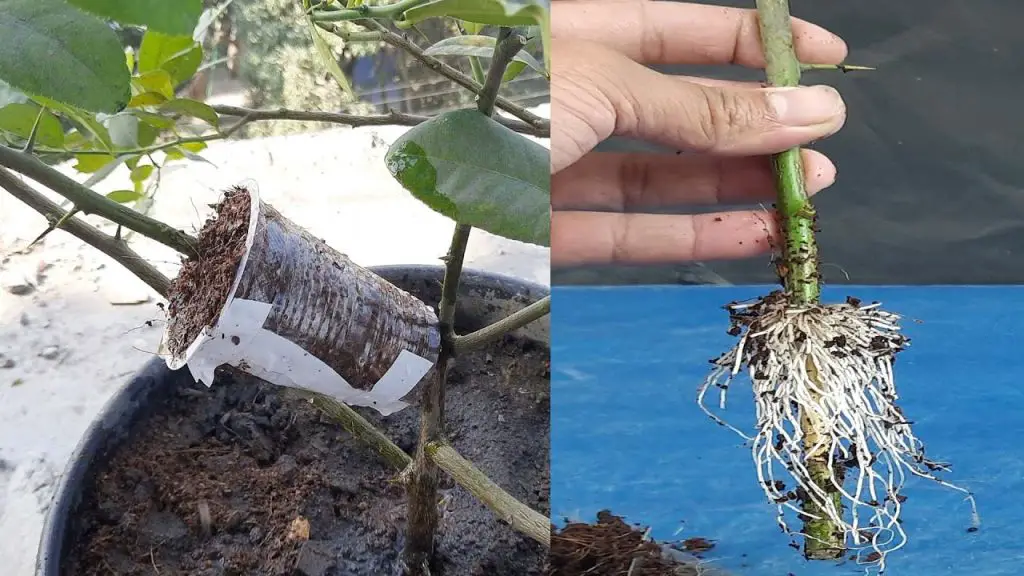
Air layering is a propagation technique that encourages roots to form on a stem while it is still attached to the parent plant. Unlike traditional propagation methods that involve cutting the plant off from its root system, air layering allows you to grow a new tree without fully removing the stem from the original plant. This method is especially useful for lemon trees, which can sometimes be difficult to propagate from seeds or cuttings.
Why Use Air Layering on Lemon Trees?
Air layering is beneficial for several reasons:
- Faster Root Formation: Air layering promotes faster root growth compared to traditional cutting techniques.
- No Need for Rooting Hormone: Unlike cuttings, air layering doesn’t always require rooting hormones, as the plant will naturally form roots when the bark is damaged.
- Genetic Consistency: Air layering results in a new tree that is genetically identical to the parent, ensuring that the fruit produced will be of the same quality.
Step-by-Step Guide to Air Layering a Lemon Tree
1. Select the Right Stem
Choose a healthy branch of your lemon tree that is about 1-2 years old. It should be thick enough to support root growth but not too mature or woody. Make sure the stem is free from diseases or pests.
2. Make the Cut
Use a sharp, clean knife to make two cuts in the bark of the branch:
- The first cut should be a horizontal incision about 1/3 of the way around the stem.
- Just below that, make a vertical cut about 1-2 inches long. These cuts will help expose the inner tissue of the stem (the cambium layer), encouraging root formation.
3. Apply Rooting Medium
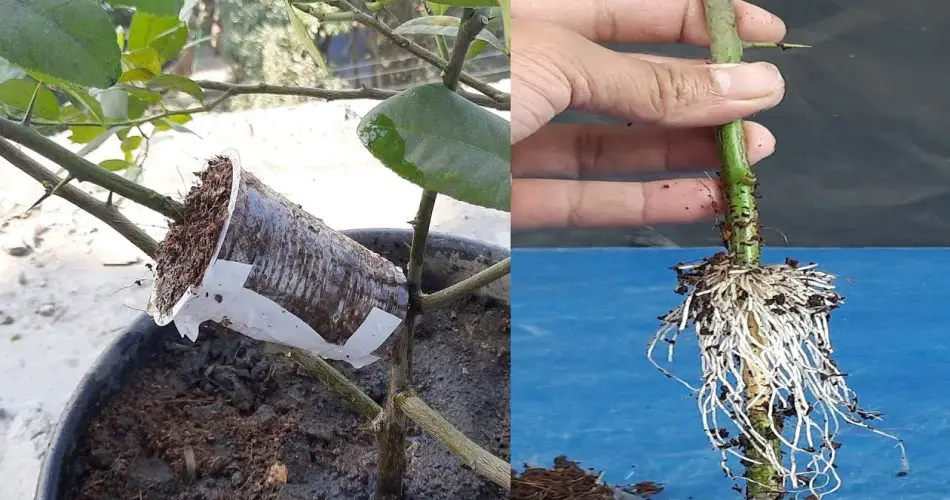
After making the cuts, apply a rooting medium like moist sphagnum moss or a mixture of peat and perlite. Soak the moss in water before applying it around the cut area. The moss should be packed tightly but not too tightly, so air circulation remains.
4. Wrap the Layer
Wrap the moss-covered section of the stem with plastic wrap or aluminum foil to keep the moisture in. Secure both ends with twist ties or string. This creates a small, humid environment where the roots will develop.
5. Wait for Root Formation
Keep the air layering moist and place the plant in a shaded area with indirect sunlight. In 4-8 weeks, you should begin to see roots growing through the moss. Check periodically to ensure the moss remains moist.
6. Sever the New Plant
Once a healthy root system has developed, use a sharp knife to cut the new plant off from the parent tree just below the root ball. Be careful not to damage the roots.
7. Plant the New Lemon Tree
Carefully transplant the new lemon tree into a pot with well-draining potting soil. Keep the plant in a warm, sunny location until it becomes established and starts to grow new shoots.
Grafting Lemon Trees Easily
Grafting is another effective method for propagating lemon trees. It involves joining a scion (a small piece of the desired lemon variety) onto a rootstock (a hardy root system from another lemon tree or related citrus species). Grafting allows you to combine the benefits of different trees—such as disease resistance from the rootstock and the desired fruit quality from the scion.
Step-by-Step Guide to Grafting Lemon Trees
1. Choose the Right Scion and Rootstock
Select a healthy rootstock and a scion from a lemon tree that produces the desired fruit. The rootstock should be robust and disease-resistant, while the scion should have the same growth characteristics as the parent tree.
2. Make the Grafting Cut
Make a clean, diagonal cut at the base of the scion and a corresponding cut on the rootstock. The cuts should be matching in size so that the vascular cambium layers align properly. This ensures a successful graft union.
3. Join the Scion and Rootstock
Carefully place the scion onto the rootstock, ensuring that the cambium layers (the layer just under the bark) of both pieces are perfectly aligned. This is the crucial step to ensure the graft “takes.”
4. Secure the Graft
Use grafting tape, elastic bands, or plant grafting clips to secure the scion and rootstock together. Be sure the graft is tightly held but not so tight that it damages the tissues.
5. Seal the Graft
Once the graft is secured, seal it with grafting wax or paraffin to prevent moisture loss and protect the graft from disease. This also helps keep the grafted area warm and moist.
6. Wait for the Graft to Heal
Place the grafted lemon tree in a warm, shaded area for a few weeks. During this time, the scion and rootstock will begin to merge. Keep the grafted plant well-watered and check periodically to ensure the graft union is healing.
7. Prune and Care for the New Tree
Once the graft is successful and the scion begins to grow, prune any shoots from the rootstock to encourage growth from the scion. After a few months, the new lemon tree will start to produce fruit.
Why Choose Air Layering or Grafting for Lemon Trees?
Both air layering and grafting offer unique advantages when propagating lemon trees:
- Air layering is ideal if you want to create a new tree from a healthy, mature parent tree without fully cutting off the branch.
- Grafting allows you to combine the best traits of two different plants, ensuring disease resistance and quality fruit production.
Conclusion
Whether you’re using air layering or grafting, these techniques provide effective ways to propagate lemon trees. Air layering is a simple and low-cost method that can give you a new lemon tree with a strong root system, while grafting ensures that you combine the best features of different lemon varieties. Both methods allow you to expand your garden with vibrant, healthy, and fruitful lemon trees. Try these propagation methods today and enjoy the rewards of growing your own lemons!