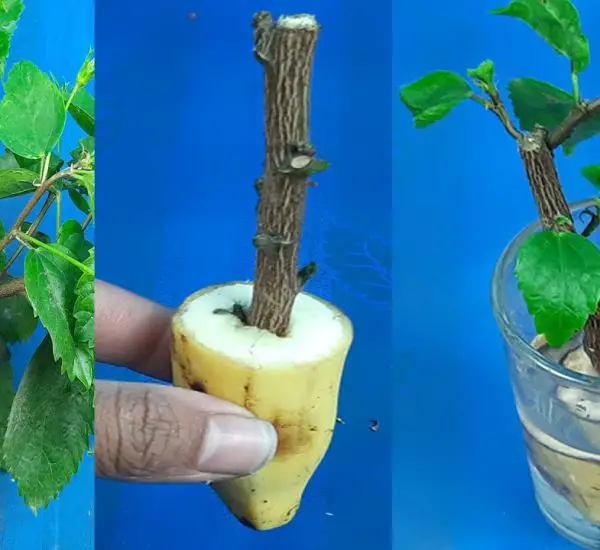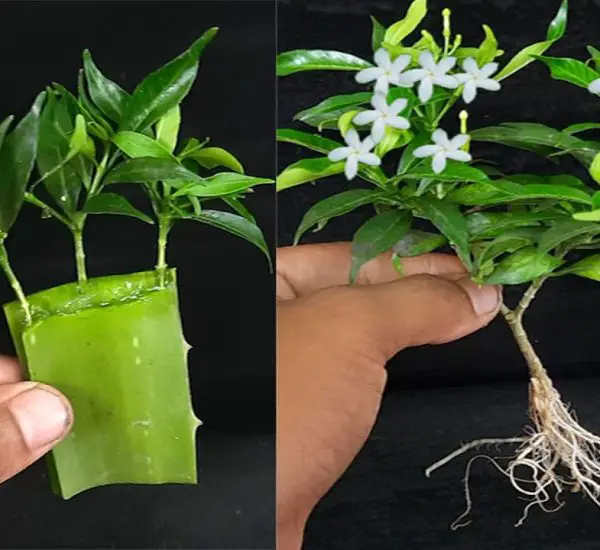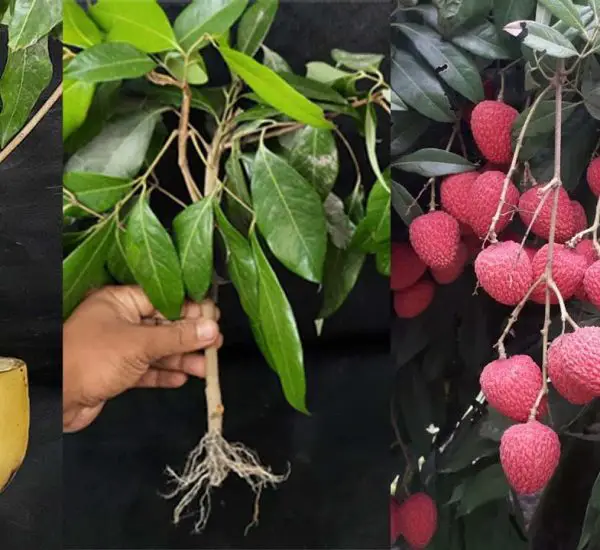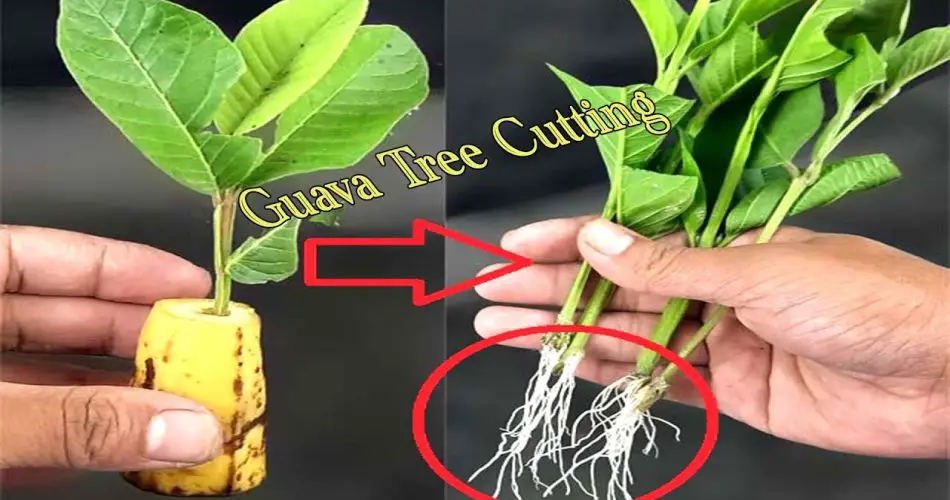
Growing a guava tree from a cutting can be a rewarding and fun gardening project. What if we told you there’s an amazing trick that can make rooting guava cuttings even easier? The banana—yes, the fruit you love to eat—can be your secret weapon for propagating a guava tree with exceptional success! This method is simple, natural, and effective, and it has been used by gardeners for years.
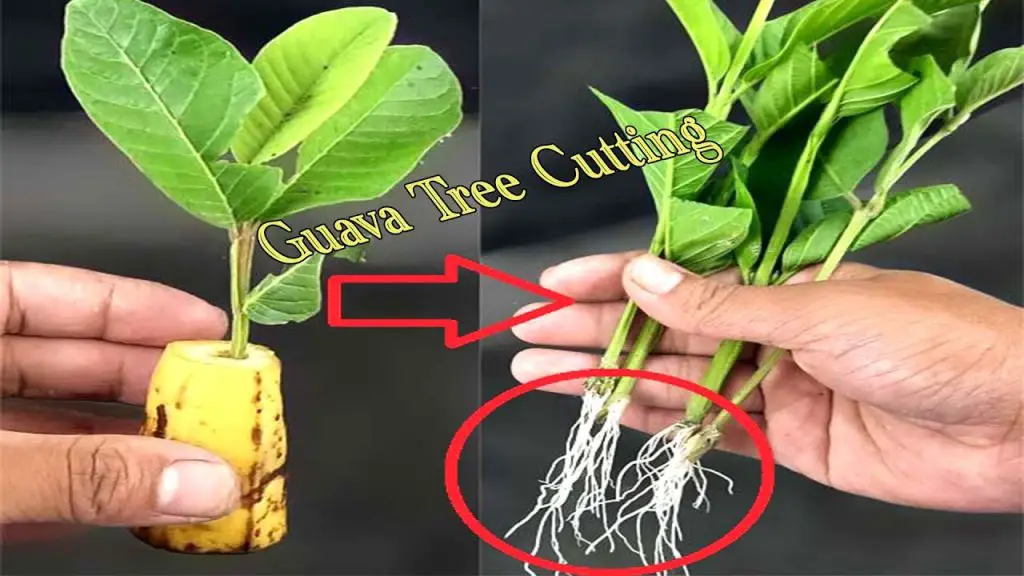
In this article, we’ll explain how to grow a guava tree cutting in a banana, step by step, with all the benefits of this unique and easy method.
Why Use a Banana for Guava Tree Cuttings?
Before diving into the steps, let’s explore why bananas work so well for propagating guava trees.
- Natural Growth Hormones: Bananas are rich in auxins, a type of natural growth hormone that helps promote root development in plant cuttings.
- Nutrients and Moisture: Bananas contain essential nutrients like potassium, calcium, and phosphorus, which are beneficial for the root development of the cutting.
- Easy and Accessible: Bananas are easy to obtain and inexpensive, making this method accessible for all gardeners.
Now, let’s explore how you can propagate guava cuttings in a banana with 100% success!
What You’ll Need:
- Healthy Guava Cutting (from a mature guava tree)
- 1 Ripe Banana
- Sharp Knife
- Rooting Hormone (optional but recommended)
- Well-Draining Potting Mix
- A Small Pot or Container
- A Plastic Bag or Dome (to maintain humidity)
Step-by-Step Guide to Grow a Guava Tree Cutting in a Banana
1. Select the Right Guava Cutting
Start by choosing a healthy branch from a mature guava tree. It should be about 6-8 inches (15-20 cm) long and have at least 2-3 leaves. Make sure the cutting is from a young, non-fruiting guava tree to increase your chances of success.
- Tip: Select cuttings from a branch that is not too woody or too soft—aim for a semi-hardwood cutting.
2. Prepare the Banana
- Take a ripe banana—not too overripe, as it should still be firm and not mushy.
- Using a sharp knife, make a small slit or cut in the banana. You can either cut it in half or make a small incision in the center where the guava cutting will be inserted.
- Optional: You can mash the banana slightly inside the slit to release more nutrients if you prefer.
3. Apply Rooting Hormone (Optional)
- If you have rooting hormone, dip the cut end of the guava cutting into the powder or gel. This helps accelerate the root formation and increase the chances of success.
- Tip: Although the banana provides natural growth hormones, using additional rooting hormone can improve results.
4. Insert the Guava Cutting into the Banana
- Insert the cut end of the guava cutting into the slit in the banana.
- Make sure the cutting is firmly in place, and the base of the cutting touches the banana flesh to ensure maximum nutrient absorption.
5. Place the Banana and Cutting in a Pot
- Take a small pot and fill it with well-draining potting mix. A mix of peat, sand, and compost works well.
- Plant the banana with the guava cutting into the soil, leaving the cutting inserted into the banana exposed above the soil line.
- Lightly press the soil around the base of the banana to keep it secure.
6. Create a Humid Environment
- Cover the pot with a plastic bag or place it under a plastic dome to create a mini greenhouse effect. This helps maintain high humidity around the cutting, encouraging faster root growth.
- Tip: Be sure to ventilate the covered environment occasionally to prevent excess moisture buildup and mold.
7. Place the Pot in a Warm, Bright Location
- Put the pot in a bright, warm spot but away from direct sunlight. Indirect light is best for young cuttings.
- The ideal temperature range for rooting is between 70°F and 85°F (21°C – 29°C).
8. Maintain Moisture
- Check the soil regularly to ensure it stays moist but not soggy.
- If necessary, mist the cutting lightly to maintain humidity levels. Be careful not to overwater, as this can cause the cutting to rot.
- Tip: If the banana starts to rot or break down, replace it with a fresh one.
9. Check for Root Development
- After 3-4 weeks, check for root development by gently tugging on the guava cutting. If you feel resistance, it means that roots have formed!
- Tip: If roots are visible and strong, it’s time to transplant the guava cutting into a larger pot with fresh soil or even into the ground if the conditions are right.
10. Transplant the Guava Cutting
Once your guava cutting has developed healthy roots, transplant it into a larger pot or directly into the ground (if you live in a tropical or subtropical region). Be sure to provide the guava tree with a sunny spot and well-draining soil.
- If planting in the ground, make sure the soil is slightly acidic and rich in organic matter.
- Water the plant regularly but avoid waterlogging.
Benefits of Using Banana for Guava Cuttings
- Natural Fertilization: The banana provides essential nutrients like potassium, phosphorus, and calcium, which are critical for root development and overall plant growth.
- Improved Rooting: The auxins in the banana help stimulate root production in guava cuttings.
- Easy and Low-Cost: Bananas are easy to find and inexpensive, making this an affordable propagation method.
Common Problems and Solutions
- Cutting Not Rooting: If your cutting isn’t rooting, try replacing the banana with a fresh one and ensure that you’re keeping the soil moist but not soggy.
- Banana Rot: If the banana starts to decompose too quickly, make sure you are not overwatering. Replace the banana and make sure the environment isn’t too humid.
- Slow Root Growth: If the roots are developing slowly, try moving the pot to a slightly warmer location or check for proper humidity levels.
Conclusion
Growing a guava tree from a cutting using a banana is a simple and highly effective technique that many gardeners swear by. Not only does it promote faster rooting and stronger growth, but it’s also an organic, cost-effective method that yields great results.
With just a banana, a healthy guava cutting, and a bit of patience, you can soon have your very own guava tree thriving in your garden. So why wait? Try this amazing trick today and enjoy fresh, homegrown guavas in no time! 🍏🌱