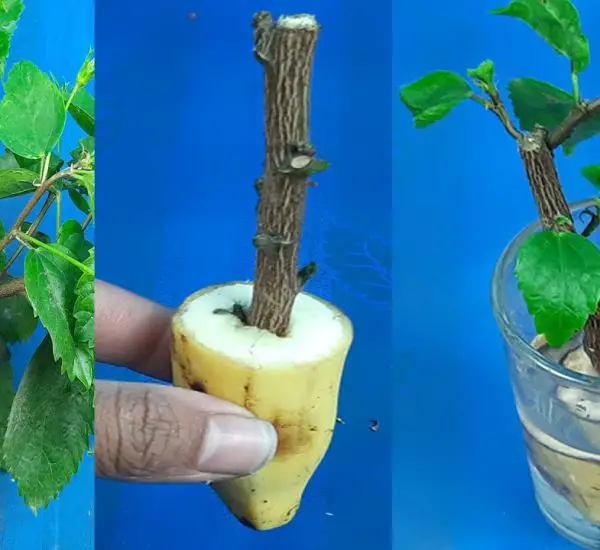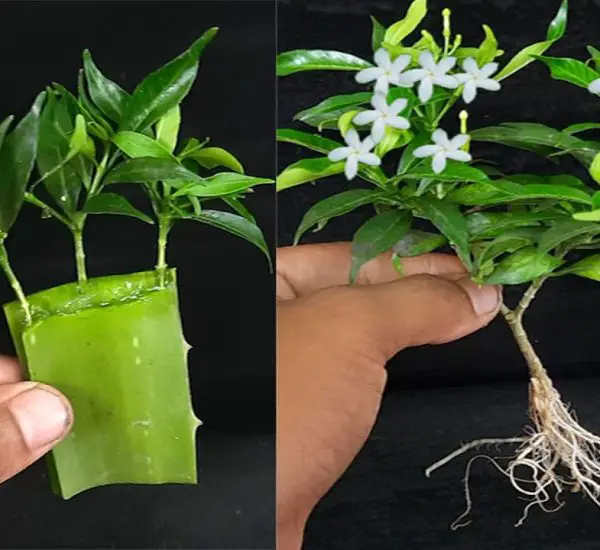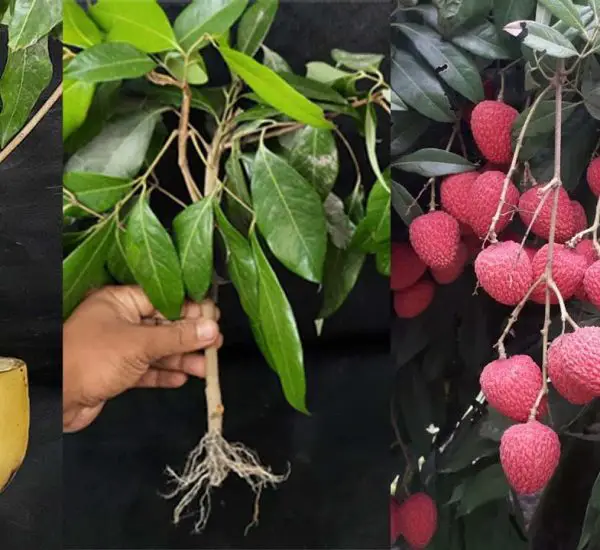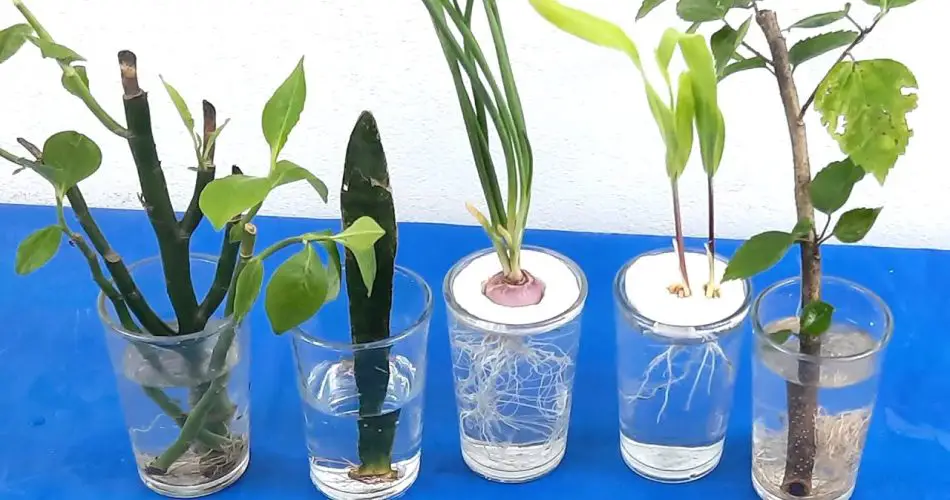
If you’re looking to propagate plants efficiently and see quicker results, you might want to consider water propagation over soil propagation. Many gardeners swear by this method, especially for plants like pothos, coleus, coleus, and even succulents. But why does water propagation seem to work faster? In this article, we’ll dive into the science behind it and give you some tips to make the most of this popular technique.
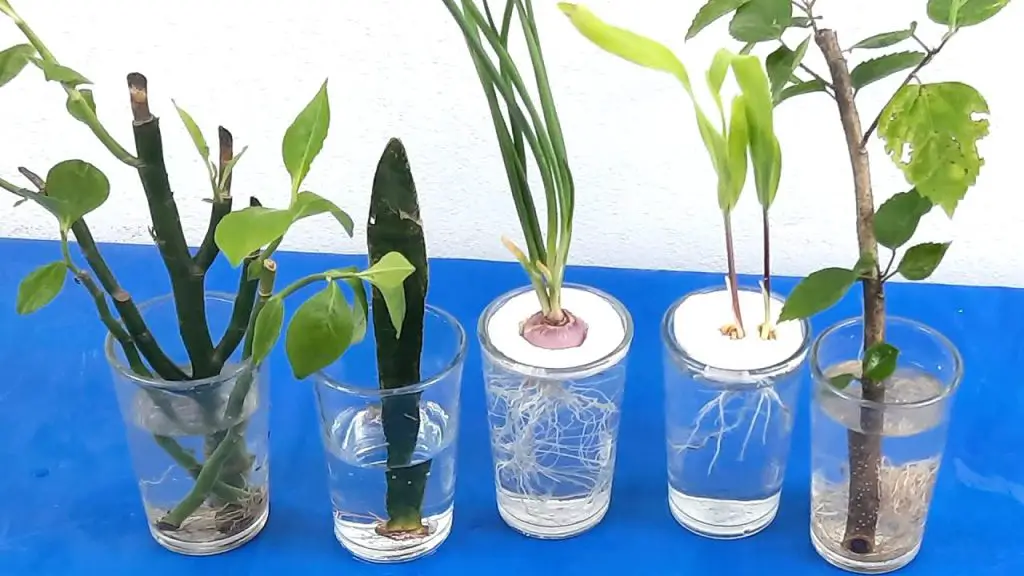
What is Water Propagation?
Water propagation is a simple method of growing new plants by placing cuttings in water instead of soil. Over time, the cutting forms roots while submerged, and once these roots are established, you can transfer the plant to the soil or keep it in water for hydroponic growth.
Why Does Water Propagation Work Faster?
Water propagation can speed up the rooting process for several reasons:
- More Immediate Access to Moisture: When cuttings are placed in water, they have direct access to moisture without the need for the soil to retain and absorb it first. This means that the cutting can start developing roots much more quickly.
- Constant Moisture for Root Formation: Water is consistently available to the cutting, helping it form roots faster. In contrast, soil can dry out and become compacted, slowing the process. The cutting in water doesn’t have to “search” for moisture, which means less energy is spent on hydration.
- Roots Are Visible and Easier to Monitor: One of the most exciting aspects of water propagation is that you can see the roots develop in real-time. This allows you to monitor progress and make adjustments as needed (e.g., change water, increase sunlight, etc.).
- Less Stress on the Cutting: Water provides a gentler environment for rooting compared to soil. In the soil, cuttings might face challenges such as compaction, inconsistent moisture, or insufficient airflow, all of which can slow root growth. Water doesn’t create these stress factors, allowing the cutting to focus more on growing healthy roots.
- Higher Success Rate for Many Plants: Many common houseplants and indoor greenery root better and faster in water, including pothos, philodendron, coleus, and even some herbs like mint. These plants typically do not require the immediate support of soil to establish roots, making them perfect candidates for water propagation.
How to Propagate Plants in Water
If you want to try water propagation for your plants, here’s a simple guide:
1. Select a Healthy Plant
Choose a healthy plant with vibrant leaves and no signs of disease or damage. Pothos, philodendron, coleus, and monstera are great options to begin with.
2. Take a Cutting
Use sharp scissors or pruning shears to take a cutting from the plant. Ensure the cutting is about 4-6 inches long, and includes a node (a small bump where roots and leaves grow).
3. Place the Cutting in Water
Put the cutting in a jar, vase, or glass with enough water to cover the node (but not the leaves, which can rot if submerged). Make sure the water level stays consistent as the cutting grows.
4. Change the Water Regularly
To keep the water clean and prevent rot, change the water every 2-3 days. This will keep bacteria at bay and encourage the cutting to form roots.
5. Wait for Roots to Form
Place the cutting in a bright spot but out of direct sunlight. In about 2-4 weeks, you should see small roots forming from the node. Once the roots are a few inches long, the cutting is ready for transplanting into soil.
6. Transplant Into Soil (Optional)
After the roots are well-developed, transfer the cutting into a pot with well-draining soil. Water the new plant, and continue to care for it as you would any other houseplant.
Benefits of Water Propagation
- Faster root development: As mentioned earlier, roots typically grow faster in water than they would in soil.
- Increased success rate: Water propagation gives you a clear view of the rooting process, which means you can monitor for any issues.
- Convenience: Water propagation can be done on a windowsill or countertop, making it an easy and accessible method for all levels of gardeners.
Common Plants for Water Propagation
Some plants thrive especially well with water propagation, and you’ll see fast results with the following:
- Pothos (Epipremnum aureum) – A favorite among beginners, pothos roots quickly in water and is very forgiving.
- Philodendron – A hardy and easy-to-propagate plant that loves water propagation.
- Coleus – Known for its beautiful, variegated leaves, coleus roots rapidly in water.
- Monstera – This tropical plant can be propagated easily by cutting its stems and placing them in water.
- Herbs – Mint, basil, and rosemary all root quickly in water, allowing you to have fresh herbs in no time.
Water Propagation vs. Soil Propagation
- Water propagation typically works faster because the cutting has direct access to water, moisture, and nutrients, which encourages quick root development.
- Soil propagation, while still effective, takes a bit longer because the cutting needs to adjust to the surrounding soil environment and establish itself in a different medium.
Conclusion: Try Water Propagation for Faster Results
If you’re looking for a faster, easier way to propagate plants, water propagation could be your best option. It speeds up the process, provides a better view of the root development, and often results in healthier, more vigorous plants. Whether you’re a beginner or an experienced gardener, water propagation is a fun, simple, and effective method to grow your plant collection quickly.
Happy propagating! 🌱