Aloe vera isn’t just a powerhouse for skincare and health – it’s also a natural and effective fertilizer for your plants! You might not realize it, but this humble plant can provide an array of nutrients that promote healthier, more vibrant growth for both indoor and outdoor plants. Whether you want to boost flowering, increase leaf growth, or simply improve the overall health of your plants, aloe vera can be a great addition to your gardening routine.
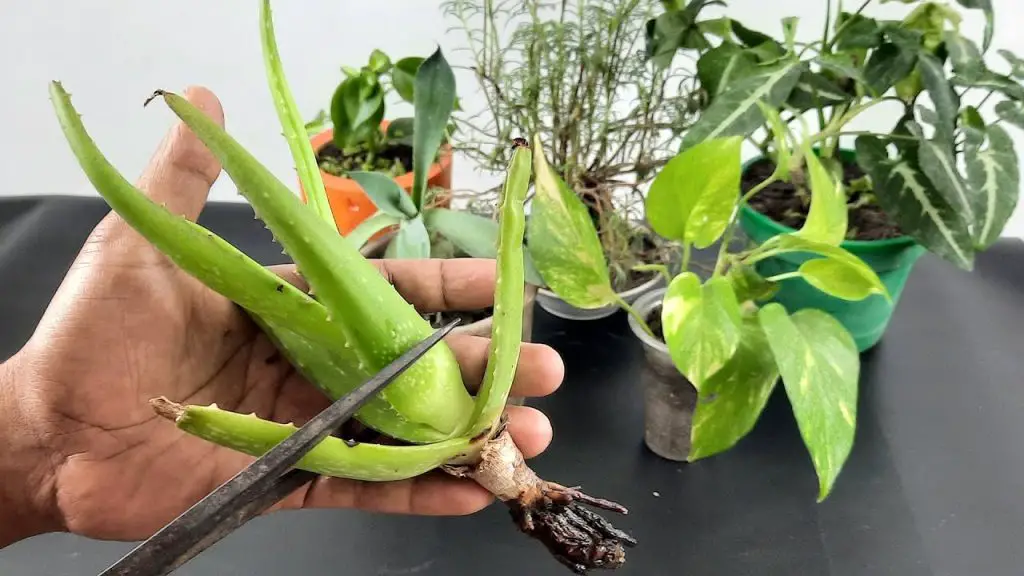
In this article, we’ll explore how you can make aloe vera fertilizer at home and why it’s such a fantastic choice for your garden plants. Plus, we’ll share some simple recipes to get started.
Why Aloe Vera is a Great Fertilizer for Plants
Aloe vera is packed with essential nutrients, making it an ideal natural fertilizer. Some of the key benefits include:
- Rich in Nutrients: Aloe vera contains vitamins (A, C, E, and B12), minerals (calcium, magnesium, potassium), enzymes, and amino acids that help to improve soil health and support plant growth.
- Growth Stimulating: The growth hormones in aloe vera (like gibberellin and auxins) stimulate root development and enhance plant growth. This is especially useful when propagating plants or encouraging more blooms.
- Antioxidant Properties: Aloe vera has antioxidants that help plants fight off stressors like pests, diseases, and extreme weather conditions.
- Soil Conditioner: Aloe vera can improve soil structure and water retention. Its gel can help break up compacted soil and enhance drainage in heavy or clay soils.
- Natural Pest Repellent: Aloe vera has mild antibacterial and antifungal properties, which can help protect your plants from soil-borne diseases and pests.
How to Make Aloe Vera Fertilizer for Your Plants
Creating homemade aloe vera fertilizer is incredibly easy, and you likely already have all the ingredients you need. Here’s how you can make your own nutrient-rich plant food.
Recipe 1: Aloe Vera Liquid Fertilizer
This recipe is perfect for an all-purpose liquid fertilizer that can be applied directly to your plants’ roots or used as a foliar spray.
Ingredients:
- 1-2 fresh aloe vera leaves
- 1 liter (4 cups) of water
Instructions:
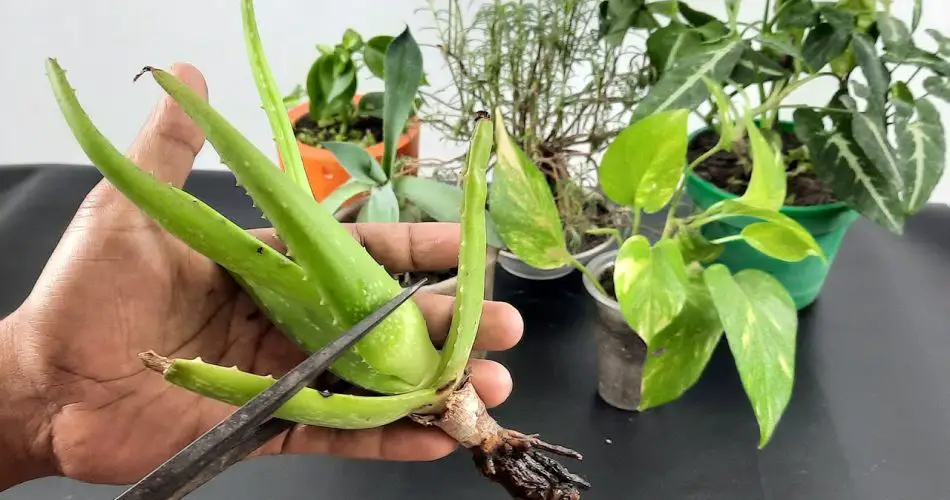
- Harvest Aloe Vera: Cut 1-2 fresh leaves from an aloe vera plant. Choose mature leaves from the outer section of the plant.
- Extract the Gel: Slice open the aloe vera leaves and scoop out the gel using a spoon. Discard the skin.
- Blend the Gel: Place the gel into a blender or food processor and blend with the 1 liter of water until smooth.
- Strain the Mixture (Optional): If you don’t want the gel chunks, you can strain the mixture through a fine sieve.
- Apply the Fertilizer: Use the aloe vera mixture to water your plants, applying it directly to the soil. You can also spray it on the leaves of your plants for foliar feeding.
How Often to Apply:
- For indoor plants, apply once every 2-4 weeks.
- For outdoor plants, use every 3 weeks during the growing season.
Recipe 2: Aloe Vera Fertilizer with Epsom Salt
Epsom salt is rich in magnesium and sulfur, which are essential nutrients for plants. When combined with aloe vera, it can enhance chlorophyll production, boost flowering, and improve overall plant health.
Ingredients:
- 1 tablespoon aloe vera gel
- 1 tablespoon Epsom salt
- 1 liter (4 cups) of water
Instructions:
- Mix the aloe vera gel and Epsom salt in a bowl.
- Add the mixture to 1 liter of water and stir until the Epsom salt is dissolved.
- Water the plants with this solution, applying it directly to the soil around the roots.
How Often to Apply:
- Apply this Epsom salt aloe vera solution every 4 weeks to help promote strong growth and vibrant blooms.
Recipe 3: Aloe Vera Fertilizer with Banana Peel
Banana peels are rich in potassium, which helps plants bloom and fruit. Combined with aloe vera, it can provide your plants with a well-rounded dose of nutrients.
Ingredients:
- 1 ripe banana peel
- 1-2 tablespoons aloe vera gel
- 1 liter (4 cups) of water
Instructions:
- Chop the banana peel into small pieces.
- Combine the banana peel, aloe vera gel, and water in a blender.
- Blend until smooth. If you prefer a less chunky consistency, strain the mixture before use.
- Water the plants with this nutrient-rich solution.
How Often to Apply:
- Use this homemade fertilizer once a month to encourage strong root development and healthy, blooming plants.
How to Use Aloe Vera Fertilizer for Different Plants
- Indoor Plants: Aloe vera fertilizer is perfect for indoor plants like spider plants, peace lilies, and succulents. Apply once every 2-3 weeks, especially if your plants are in low-light conditions.
- Flowering Plants: If you’re looking to promote flowering in plants like roses, orchids, or geraniums, aloe vera can give them the extra boost they need to produce vibrant blooms.
- Vegetables and Herbs: Aloe vera is also great for vegetables like tomatoes, peppers, and lettuce, as well as herbs like basil and mint. Use the aloe vera liquid fertilizer to support their growth and improve the health of the soil.
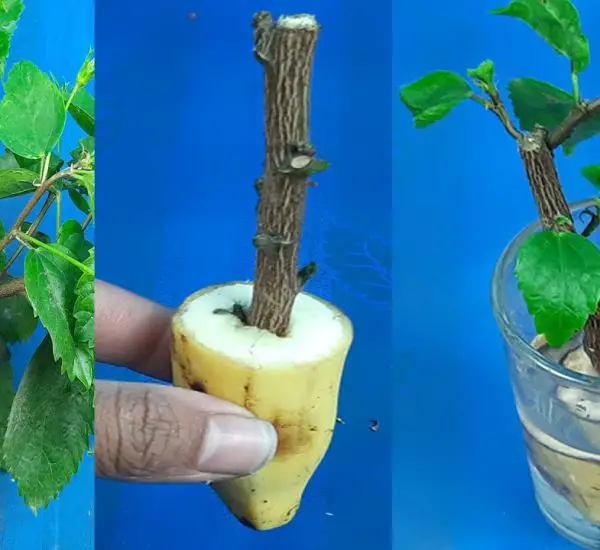
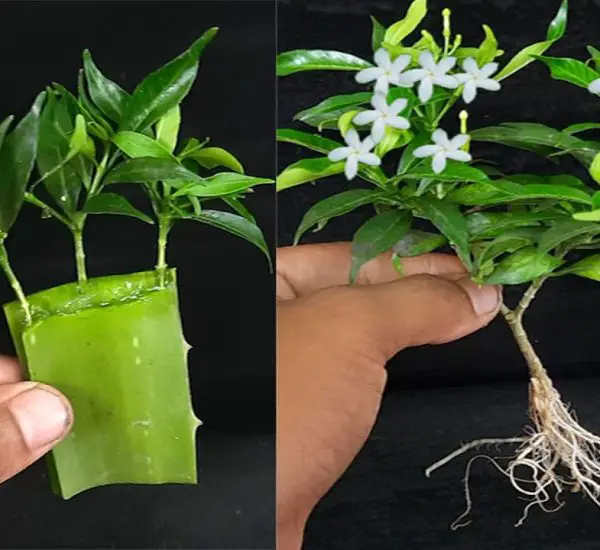
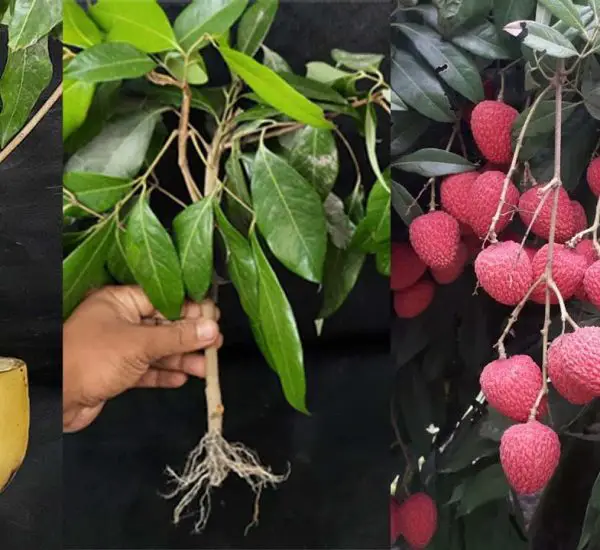
- Seedlings and Cuttings: Aloe vera promotes root development, so it’s especially helpful for new plants. When you propagate cuttings or start seeds, use aloe vera fertilizer to encourage quicker root formation.
Benefits of Aloe Vera Fertilizer
- Eco-Friendly: Aloe vera fertilizer is natural, organic, and free of harmful chemicals, making it safe for both plants and the environment.
- Cost-Effective: Aloe vera is easy to grow and maintain at home, so making your own fertilizer is a budget-friendly option for plant care.
- All-in-One Solution: Aloe vera provides essential vitamins, minerals, and hormones, making it an all-around fertilizer for different plant needs.
Conclusion
Aloe vera is a fantastic natural fertilizer for all types of plants. By making a simple homemade aloe vera fertilizer, you can boost your plants’ growth, flowering, and overall health. Whether you’re looking to improve soil quality, support root development, or just keep your plants thriving, aloe vera can be your plant’s best friend. Try out these easy recipes and see the results for yourself! 🌿🌱
Happy gardening!