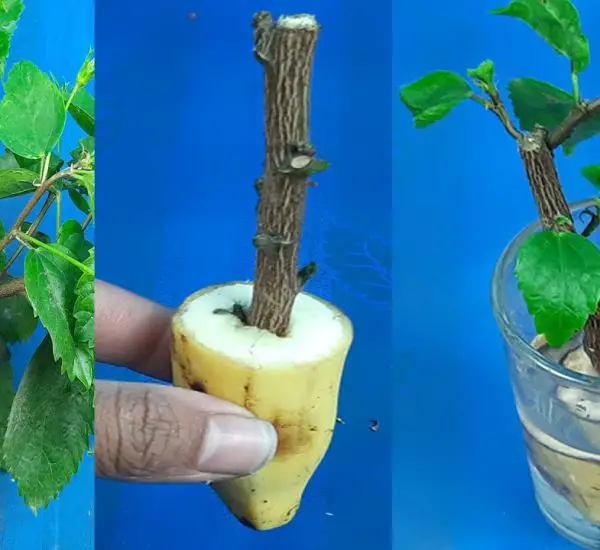
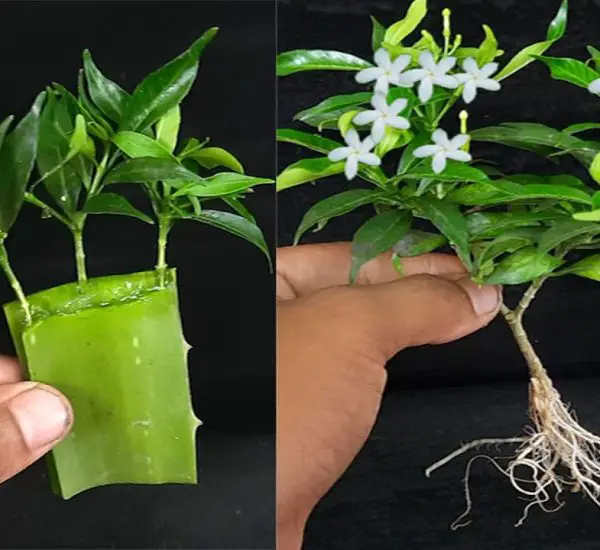
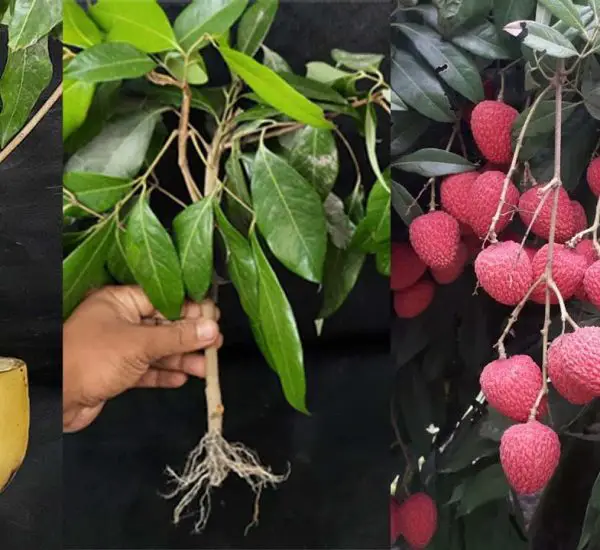
Growing an apple tree from an actual apple fruit may sound challenging, but with a little patience and some basic gardening techniques, it’s completely possible! Instead of purchasing a sapling, you can propagate your own apple tree from the seeds of an apple you eat. In this article, we’ll guide you through a step-by-step process of how to easily grow an apple tree from apple seeds. Whether you’re a gardening novice or an experienced enthusiast, this unique skill will help you create your very own fruit-bearing tree.
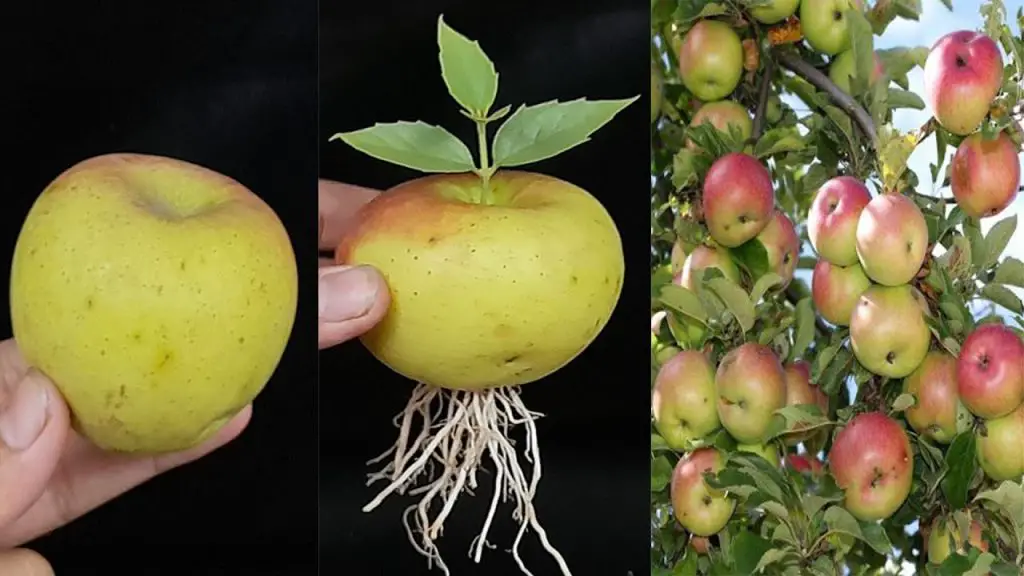
Why Grow an Apple Tree from Apple Seeds?
- Cost-Effective: Growing your own apple tree saves you money compared to purchasing a mature tree.
- Unique Experience: It’s a fun and rewarding project that allows you to witness the entire life cycle of an apple tree from seed to fruit.
- Variety: You can experiment with different types of apples to create a garden full of diverse apple trees.
- Sustainability: By growing your apple tree from a fruit, you’re recycling and promoting sustainability.
Materials You Will Need
Before you start, gather the following materials:
- Apple fruit (preferably organic, as non-organic apples might not have viable seeds)
- Potting soil (light and well-draining)
- Containers (small pots or seed trays)
- Water (for watering)
- Plastic bag or plastic wrap (to create a mini greenhouse effect)
- Scissors or knife (to cut the apple open)
Steps to Grow an Apple Tree from Apple Fruit
1. Extract the Seeds
The first step is to remove the seeds from the apple. Cut the apple in half and carefully take out the seeds from the core. Typically, an apple contains about 5-10 seeds. It’s important to choose healthy, mature apples to ensure the seeds have the potential to grow.
2. Clean and Dry the Seeds
After extracting the seeds, you need to clean them. Rinse them under cold water to remove any fruit residue. Afterward, dry the seeds by placing them on a paper towel for a day or two.
3. Stratify the Seeds
Apple seeds require a process called stratification to break dormancy, which means mimicking the cold conditions of winter. Here’s how to stratify your seeds:
- Place the cleaned and dried seeds in a plastic bag with some moist sand or peat moss.
- Seal the bag and place it in the refrigerator for about 6 weeks. This simulates the cold winter months and will encourage the seeds to sprout when it’s time for planting.
4. Prepare the Containers and Soil
While your seeds are undergoing stratification, prepare your planting containers. Use small pots or seed trays filled with light, well-draining potting soil. The soil should be moist, but not soaked. Make sure there are drainage holes in the containers to avoid waterlogging.
5. Plant the Seeds
After the stratification period, remove the seeds from the refrigerator. Plant each seed about half an inch deep into the soil. If you’re using a seed tray, you can plant multiple seeds, but make sure they are spaced out to allow room for growth.
6. Water and Maintain Proper Conditions
Water the soil lightly to keep it moist, but be careful not to make it soggy. Place the containers in a warm, sunny location with indirect sunlight. You can create a mini greenhouse effect by covering the pots with plastic wrap or a clear plastic bag. This helps maintain humidity and warmth.
7. Germination and Growth
After a few weeks, you should begin to see the seeds sprouting. Be patient as apple seeds can take anywhere from 2-8 weeks to germinate. Once the seedlings have developed a few leaves, remove the plastic cover. Continue to water the young plants regularly, making sure the soil doesn’t dry out.
8. Transplanting the Seedlings
Once the apple tree seedlings are large enough (around 4-6 inches tall), they can be transplanted into larger pots or directly into your garden, if the weather is suitable. Be sure to harden off the plants by gradually exposing them to outdoor conditions over a week or two.
Care Tips for Your Apple Tree
- Sunlight: Apple trees need at least 6 hours of sunlight per day to thrive. Ensure your tree is planted in a sunny spot.
- Watering: Apple trees prefer moist, well-drained soil, but avoid overwatering. Water the plant regularly, especially during dry periods.
- Pruning: Once your tree begins to grow, prune it regularly to encourage strong branching and a good shape.
- Fertilizing: Use a balanced organic fertilizer during the growing season to support healthy growth.
- Patience: Keep in mind that it may take several years for your apple tree to start producing fruit, but with care, your effort will eventually pay off.
Conclusion
Growing an apple tree from an apple fruit is a fun and rewarding gardening project that anyone can do, even beginners. By following these simple steps, you can watch as your apple seeds grow into strong, healthy trees. While it might take some time for your tree to bear fruit, the experience of growing your own apples from scratch is well worth the effort. So go ahead, try this unique skill, and start your own apple-growing journey today!