The Money Plant, also known as Pothos or Epipremnum aureum, is a popular indoor plant cherished for its beautiful trailing vines and ability to thrive in various conditions. One of the most attractive features of the Money Plant is that it can be grown in water, making it an excellent choice for beginners or anyone looking to add a touch of greenery to their home without the need for soil. In this complete guide, we will walk you through the steps of growing a Money Plant in water, ensuring it thrives and flourishes.
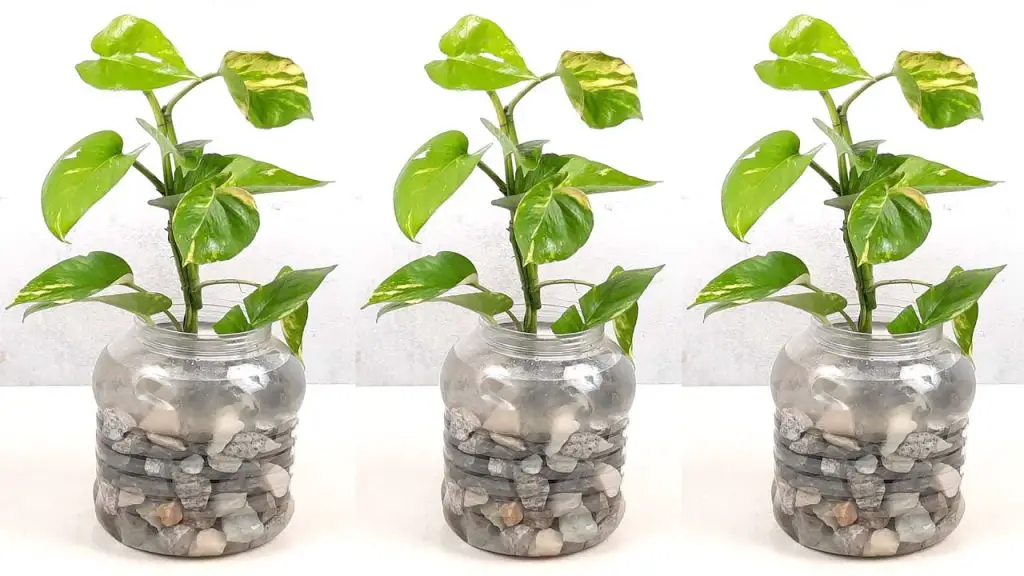
Why Grow a Money Plant in Water?
There are several reasons why growing a Money Plant in water is a great choice:
- Low maintenance: Money plants are easy to care for, requiring minimal attention.
- Versatile: Can thrive in a variety of environments, from bright windowsills to low-light areas.
- Aesthetically pleasing: Their lush green leaves make them a beautiful addition to any room.
- Air purifier: Money Plants help purify the air by removing toxins like formaldehyde and benzene.
- Space-efficient: Perfect for small spaces, as they can be grown in a vase, jar, or any container of your choice.
Materials You Will Need
Before you begin, gather the following materials:
- Healthy Money Plant cutting (with at least one node, which is where roots will grow)
- Glass jar or vase (any transparent container works best)
- Water (filtered water is recommended)
- Scissors (to cut the plant if necessary)
- Liquid fertilizer (optional, for occasional feeding)
Steps to Grow Money Plant in Water
1. Select a Healthy Cutting
Choose a healthy Money Plant cutting with at least one node. A node is the small bump or joint on the stem where roots will grow. Make sure the cutting has several leaves attached. Trim the cutting just below a node using sharp scissors.
2. Prepare the Container
Select a clear glass container or vase. Transparent containers are ideal because they allow you to monitor the root growth over time. Fill the container with filtered water (tap water can be used, but filtered water is better for plant health). Make sure the water level covers the bottom node of the cutting.
3. Place the Cutting in Water
Submerge the cutting in the water so that the node is fully submerged while the leaves are kept above the waterline. Avoid letting the leaves touch the water, as this can cause rot. Place the container in a bright, indirect light location but avoid direct sunlight, as it can scorch the leaves.
4. Change the Water Regularly
To keep the water clean and prevent the growth of bacteria, change the water every 1-2 weeks. Make sure to refill it to the same level to ensure the cutting stays submerged. Always use filtered water or let tap water sit for 24 hours to dissipate chlorine.
5. Wait for Roots to Develop
After about 2-4 weeks, you should start to see small roots growing from the node. As the roots begin to grow, the plant will become more established. Over time, the roots will grow longer, and you will notice the Money Plant becoming more robust.
6. Add Fertilizer (Optional)
Once the plant has established roots and is growing well, you can occasionally add a liquid fertilizer to the water to encourage more growth. Follow the instructions on the fertilizer packaging to avoid overfeeding.
Care Tips for Growing Money Plant in Water
To ensure your Money Plant stays healthy and vibrant, follow these care tips:
- Light: Money Plants prefer bright, indirect sunlight. Too much direct sun can cause the leaves to burn, while too little light can slow down growth.
- Watering: Ensure the plant is always submerged in water, but avoid overfilling the container. Change the water regularly to prevent stagnation and algae growth.
- Temperature: Keep the plant in a warm environment, ideally between 65-80°F (18-27°C). Avoid placing the plant in drafty areas or near air conditioners or heaters.
- Pruning: If the Money Plant gets too long or leggy, feel free to trim it back. You can use the cuttings to grow new plants. Just place them in water, and they will develop new roots.
- Pests: While Money Plants are generally resistant to pests, check the leaves regularly for signs of pests like aphids or spider mites. If needed, clean the leaves gently with a damp cloth.
Common Problems and How to Fix Them
- Yellow Leaves: If the leaves start turning yellow, it could be a sign of overwatering or exposure to too much direct sunlight. Adjust the light and water levels accordingly.
- Root Rot: If you notice a foul smell or black, mushy roots, this could indicate root rot. Trim away the affected roots, change the water, and allow the plant to recover.
- Leggy Growth: If your Money Plant seems to grow tall and leggy, it may not be getting enough light. Move it to a brighter spot and consider pruning the long stems to promote bushier growth.
Conclusion
Growing a Money Plant in water is a simple and rewarding way to enjoy a thriving, beautiful plant in your home. Whether you have a green thumb or are a complete beginner, this low-maintenance plant is the perfect addition to your indoor garden. By following the steps in this guide, you’ll be able to grow a healthy Money Plant that will purify the air, brighten your space, and provide you with a sense of accomplishment. Happy gardening!