If you’ve ever dreamed of having your own grapevine at home, you’re in luck! Propagating grape trees is a fun and easy process, and with just a bit of effort, you can grow your own grape tree using water. This method allows you to take a cutting from a healthy grapevine and propagate it into a brand-new plant, all from the comfort of your home. Here’s a simple guide to get you started!
Why Propagate Grape Trees with Water?
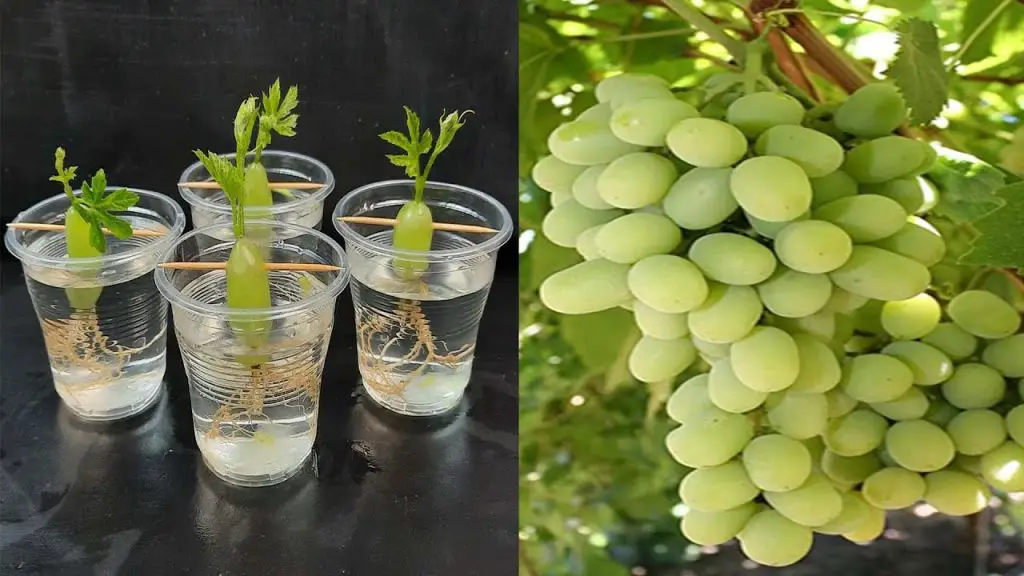
Propagating grape trees with water is a highly effective method for several reasons:
- Easy and inexpensive: All you need is a healthy cutting and some water to get started, making this method both cost-effective and accessible.
- No soil required: You can propagate your grape tree without needing to worry about soil, which is perfect if you don’t have access to a garden.
- Faster root development: Water propagation helps the cutting grow roots more quickly, so you’ll see results faster.
Materials You’ll Need
Before you begin, gather the following materials:
- Healthy grapevine cutting: Choose a mature vine with at least 2-3 nodes (the spots where leaves grow).
- Sharp scissors or pruning shears: To cut the vine.
- Glass jar or vase: To hold the cutting in water.
- Clean water: Tap water works fine, just make sure it’s free of chemicals like chlorine.
- Clear plastic wrap or a plastic bag: To cover the cutting for added humidity.
Step-by-Step Guide to Propagating Grape Trees with Water
Step 1: Take the Cutting
Start by selecting a healthy grapevine that is about 6-8 inches long. Make sure the vine is free from any signs of disease or pests. Using your sharp scissors or pruning shears, cut the vine just below a node. The node is where roots will form, so be sure to include at least two nodes in your cutting.
Step 2: Remove Excess Leaves
Carefully remove any leaves from the lower part of the cutting, leaving only the top few leaves. This will help the cutting focus its energy on growing roots, not sustaining leaves. However, leave a couple of leaves at the top so it can still photosynthesize and stay healthy.
Step 3: Place the Cutting in Water
Now, fill a glass jar or vase with clean water. Place the bottom of the cutting into the water, making sure that the nodes (where you removed the leaves) are submerged. The water should cover the nodes but not the leaves, as this could cause them to rot.
Step 4: Create a Humid Environment
To help your cutting grow roots faster, you can cover the top of the jar with plastic wrap or a plastic bag. This will trap moisture and create a humid environment, which is crucial for root development. Make sure the cutting has access to indirect sunlight, as too much direct sunlight could harm it.
Step 5: Change the Water Regularly
For the best results, change the water every 2-3 days to keep it fresh and oxygenated. This will help prevent the water from becoming stagnant and discourage any bacterial growth. You’ll also want to make sure the cutting is still in contact with fresh water as it grows roots.
Step 6: Watch for Roots
After about 1-3 weeks, you should start to see small roots forming at the submerged nodes. You can gently check by pulling the cutting out of the water to see the root development. When the roots are about 1-2 inches long, your cutting is ready to be planted.
Step 7: Transplant the Cutting
Once the roots are established, it’s time to move the cutting to a pot with soil:
- Prepare a pot with well-draining soil, and make a hole in the center.
- Plant the cutting in the soil, ensuring the roots are well covered.
- Water the plant thoroughly and continue to care for it as you would a regular grapevine.
Tips for Success
- Choose the right time: The best time to propagate grapevines is during spring or early summer, as the plant is actively growing.
- Use a healthy cutting: The success of your propagation depends largely on the health of the cutting you start with. Choose a strong, disease-free vine for the best chance of success.
- Patience is key: Growing grapevines from cuttings takes time, so be patient and allow the roots to develop properly before planting.
Conclusion: Growing Grapes at Home Made Easy
With this simple method of propagating grape trees in water, you can quickly start your own vineyard right at home. It’s an easy and cost-effective way to grow grapes, whether you’re looking to start a garden or just enjoy the beauty of grapevines in your living space. By following these easy steps, you’ll be able to grow your own grape tree and even watch it thrive!
Happy planting, and enjoy the fruits of your labor as you grow your very own grapevine! 🍇