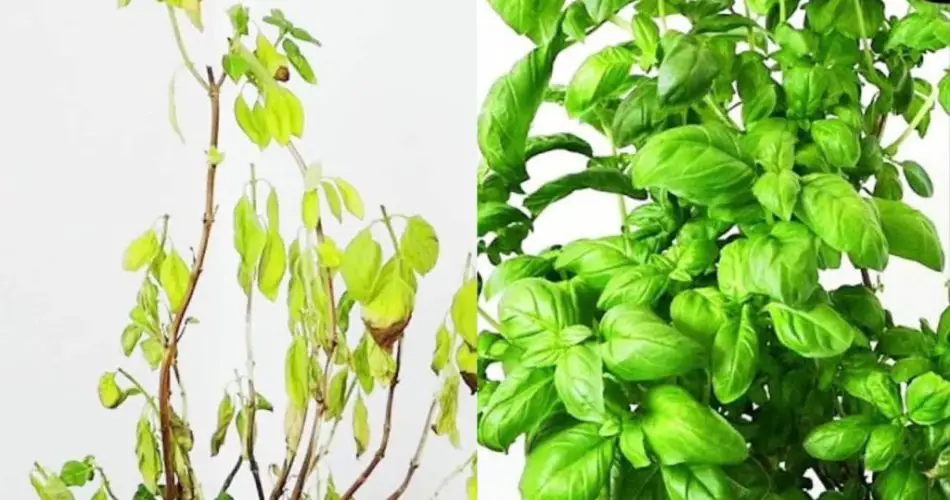
Discover an easy and ancient trick to rescue your basil from rotting. No need for complicated solutions—just follow this straightforward method.
Dealing with Rotten Basi
Uncover the secrets of recovering your basil when it has sadly taken a turn for the worse. Surprisingly, the solution is a simple trick employed by seasoned growers.
Understanding Basil’s Significance
Most kitchens boast a handful of basil leaves, a crucial ingredient in Italian cuisine and beyond. Known for its distinctive flavor, basil adds a unique touch to various recipes. Beyond taste, this plant offers essential properties, such as anti-inflammatory and antioxidant benefits. These contribute to reducing pain, inflammation, and protecting the body’s cells from potential harm, lowering the risk of conditions like heart disease, cancer, and diabetes.

Additional Properties of Basil
Basil doesn’t stop there—it also boasts antimicrobial features, hindering the growth of bacteria, viruses, and fungi. This makes it an ideal remedy for localized infections in the respiratory and urinary systems. With digestive and relaxing properties, basil addresses stomach pain and helps alleviate stress and anxiety. While basil is a valuable addition, growing it successfully can be tricky, and it may easily succumb to rot. Read on to learn how to bring it back to life.
Reviving Your Basil
To keep basil thriving and prevent it from rotting, the key lies in ensuring the soil it grows in is healthy. Opt for well-drained and nutrient-rich soil. Consider enriching the soil with compost or vermicompost for healthier growth. Alternatively, use a liquid organic fertilizer every two weeks.

Maintain the right nitrogen levels in the soil, as basil is sensitive to excess nitrogen, which could lead to fungal diseases and parasites. Be cautious with watering and fertilizers to avoid overdoing it. Basil, especially in hot and dry climates, requires consistent watering—about once a day. Check the soil’s hydration level to determine when to stop, ensuring it’s moist but not waterlogged.
Rotten basil is a result of excessive watering, so make sure your pot has drainage holes to allow excess water to escape. Lastly, avoid watering the leaves; instead, clean them to prevent the proliferation of fungal diseases. With these simple steps, you can revive your basil and keep it flourishing in your kitchen.