When it comes to nurturing plants, we often rely on store-bought fertilizers to provide essential nutrients. However, organic fertilizers are an excellent alternative that not only nourish plants but also help protect the environment. One of the most underrated, yet highly effective, organic fertilizers comes from something you probably toss away every time you prepare potatoes — potato peels. This simple kitchen waste can be transformed into a natural fertilizer that provides your plants with the vital nutrients they need to thrive. In this article, we’ll explore how potato peel fertilizer can be the best organic fertilizer for plants and why it’s a must-try for gardeners.
1. Why Potato Peels Are Great for Plants
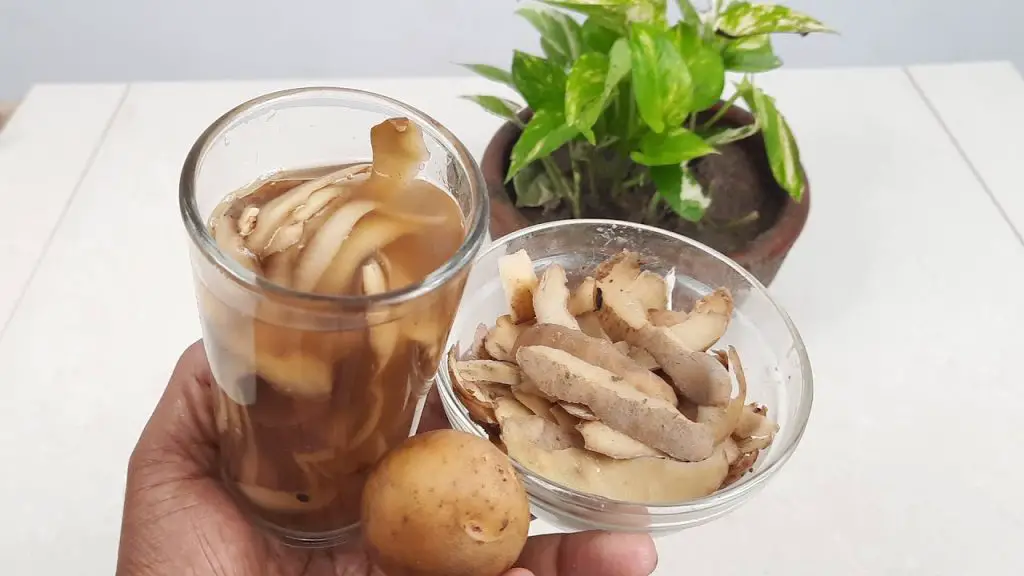
Potato peels are often discarded as waste, but in reality, they contain a wealth of nutrients that can benefit your plants. Here’s why potato peel fertilizer is so effective:
- Rich in Nutrients: Potato peels are loaded with essential minerals such as potassium, phosphorus, and magnesium, which help promote healthy root growth, flowering, and fruit production. Potassium, in particular, is crucial for improving plant resistance to disease, drought, and stress.
- Organic Matter: Potato peels decompose quickly, adding valuable organic matter to the soil. This helps improve soil structure, enhances water retention, and provides a habitat for beneficial microorganisms.
- Improves Soil pH: The natural minerals in potato peels can help balance the pH levels of your soil, making it more favorable for plant growth. This is especially beneficial for plants that prefer slightly acidic to neutral soil.
- Promotes Healthy Roots: The high calcium content in potato peels can strengthen plant cell walls, promoting stronger root systems and better nutrient absorption.
- Eco-Friendly: Instead of throwing away potato peels, using them as fertilizer is an environmentally friendly way to reduce kitchen waste while boosting the health of your plants.
2. How to Make Potato Peel Fertilizer
There are several easy ways to make potato peel fertilizer for your plants. Whether you want to create a liquid fertilizer tea or a nutrient-dense compost, here are some methods you can try:
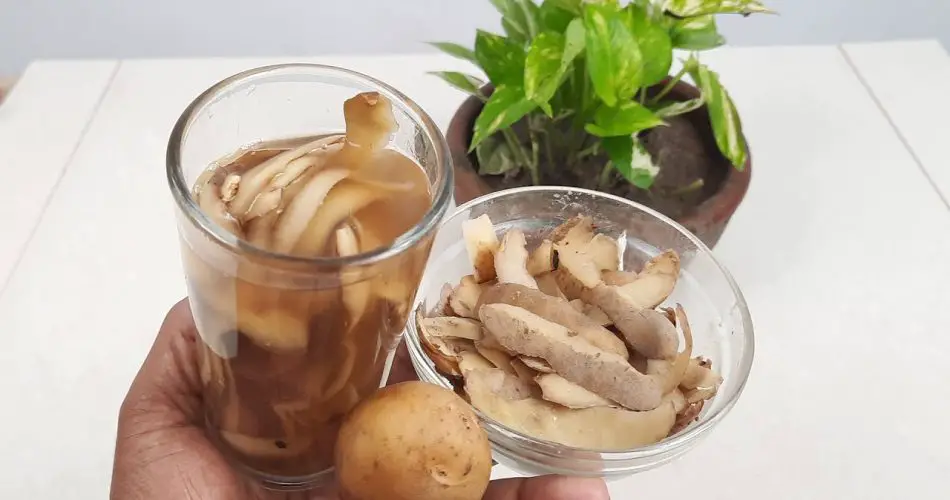
1. Potato Peel Tea (Liquid Fertilizer)
Making potato peel tea is a simple and effective way to infuse the soil with nutrients.
How to Make Potato Peel Tea:
- Collect your potato peels and rinse them to remove any dirt.
- Place the peels in a pot and cover them with water (about 4-5 cups for every handful of peels).
- Boil the water with the peels for 15-20 minutes to release the nutrients.
- Once the water has cooled down, strain out the peels and use the liquid to water your plants.
Potato peel tea is packed with potassium and phosphorus, both of which are essential for flowering and fruiting. Water your plants with this nutrient-rich tea once every two weeks to give them a healthy boost.
2. Potato Peel Compost
Another great way to use potato peels is by adding them to your compost pile. Potato peels break down quickly and add valuable nutrients to the compost mix.
How to Compost Potato Peels:
- Collect your potato peels along with other green composting materials like vegetable scraps, coffee grounds, and grass clippings.
- Mix the peels with brown materials such as dry leaves, cardboard, or shredded newspaper to balance the carbon-to-nitrogen ratio.
- Turn the compost regularly to ensure proper aeration and speed up decomposition.
- After a few weeks, you’ll have rich, dark compost that can be used to enrich garden soil.
Using potato peels in compost provides your plants with organic matter that improves soil texture and boosts nutrient content over time.
3. Direct Soil Application (Potato Peel Mulch)
Potato peels can also be used as a mulch to cover the soil around your plants. The peels will slowly decompose, releasing nutrients into the soil while helping to retain moisture and suppress weeds.
How to Use Potato Peels as Mulch:
- Simply place the potato peels around the base of your plants, covering the soil surface.
- Spread them out in a thin layer, but avoid covering the plant stems to prevent rot.
- Water the area thoroughly to help the peels break down faster.
This method works best for outdoor plants like tomatoes, cucumbers, and other vegetables that benefit from the extra nutrients and moisture retention.
3. Benefits of Using Potato Peel Fertilizer
Here’s why you should consider using potato peel fertilizer for your plants:
- Affordable and Free: Potato peels are a byproduct of cooking, making them a cost-free resource for improving soil health and plant growth.
- Rich in Essential Nutrients: As mentioned, potato peels contain potassium, phosphorus, calcium, and magnesium, which are key nutrients for plant health.
- Improves Soil Health: The organic matter in potato peels helps improve soil structure, promotes healthy microbial activity, and enhances water retention.
- Reduces Waste: By repurposing potato peels as fertilizer, you’re reducing kitchen waste and supporting sustainable gardening practices.
4. Which Plants Benefit Most from Potato Peel Fertilizer?
Potato peel fertilizer is beneficial for a wide variety of plants, but some plants will benefit more from the nutrients it provides:
- Root vegetables (e.g., carrots, beets, radishes): These plants thrive on the potassium and magnesium found in potato peels, which help with root development and overall health.
- Flowering plants (e.g., tomatoes, peppers, eggplants): Potassium and phosphorus are essential for blooming and fruit production, so potato peels are ideal for these plants.
- Herbs (e.g., basil, mint, oregano): The minerals in potato peels help herbs grow strong and flavorful, and the calcium promotes sturdy stems.
- Houseplants: Indoor plants like peace lilies or spider plants can benefit from the organic nutrients in potato peel compost or tea.
5. Precautions and Tips
While potato peel fertilizer is generally safe for most plants, there are a few things to keep in mind:
- Avoid Using Rotten Peels: Always use fresh or well-rinsed potato peels. Rotten or moldy peels could introduce harmful bacteria into the soil.
- Balance with Other Fertilizers: Potato peels provide essential nutrients but may lack other necessary elements like nitrogen. You may need to supplement with other organic fertilizers or compost to ensure a balanced nutrient profile.
- Avoid Overuse: Too many potato peels can create a thick layer of mulch or compost that may suffocate your plants. Always apply them in moderation.
- Don’t Use Green Potato Peels: If the potato peels are green, they may contain solanine, a toxin that can harm plants. Only use regular, non-green potato peels for fertilizer.
Conclusion
Potato peel fertilizer is a fantastic, natural, and cost-effective way to nourish your plants. Rich in vital nutrients like potassium, phosphorus, and magnesium, potato peels can promote healthy root systems, encourage flowering, and improve soil structure. Whether you choose to make potato peel tea, add them to your compost, or use them as mulch, you’ll be enhancing your garden in an eco-friendly way. By recycling kitchen waste into a potent organic fertilizer, you not only benefit your plants but also contribute to a more sustainable gardening practice. So, the next time you peel potatoes, don’t throw away those scraps—use them to give your plants the nutrition they need to grow strong and healthy!