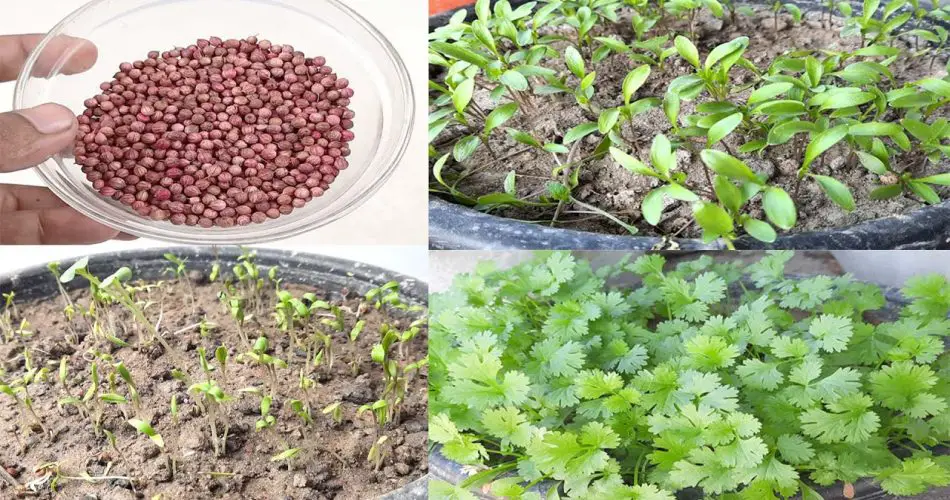
Coriander (also known as cilantro) is a popular herb in many kitchens, loved for its fresh, zesty flavor in a wide variety of dishes. If you’ve always wanted to grow your own coriander, but thought it took too long, we have exciting news: you can grow this herb in just 3 days using a magical method that’s simple, effective, and fun! Whether you’re a beginner or an experienced gardener, this method is perfect for getting fresh coriander in no time, and it requires only a few basic materials.

Why Grow Coriander at Home?
There are plenty of reasons to grow coriander at home:
- Freshness: Nothing beats the flavor of freshly harvested coriander straight from your garden or kitchen.
- Convenience: Having coriander on hand whenever you need it means no more running to the store every time a recipe calls for it.
- Health Benefits: Coriander is known for its antioxidant and anti-inflammatory properties, and it’s packed with vitamins like A, C, and K, as well as minerals like calcium and iron.
But what if we told you that you could have fresh coriander growing right at your fingertips in just 3 days? It’s possible, and we’re going to show you how!
The Magical Method: How to Grow Coriander in Just 3 Days
This 3-day method works by speeding up the germination process, allowing you to see tiny coriander shoots within a matter of days. Here’s how to do it:
Materials You’ll Need:
- Coriander Seeds: You can purchase coriander seeds from a garden store or use seeds from an existing coriander plant.
- Paper Towels: You’ll use these to germinate the seeds quickly and efficiently.
- Plastic Bag or Container: This will create a mini greenhouse effect to keep the seeds warm and moist.
- Water: You’ll need water to moisten the paper towels and keep the seeds hydrated.
- A Sunny Spot: A warm, sunny spot in your kitchen or on a windowsill is ideal for this method.
Step-by-Step Guide:
Step 1: Prepare the Seeds
- Soak the coriander seeds in water for about 12-24 hours. This will soften the seed coat and kickstart the germination process, making it faster. If you’re in a hurry, a shorter soak of just a few hours will also work, but a longer soak speeds things up.
Step 2: Set Up the Germination Station
- Lay down a paper towel on a flat surface.
- Place the soaked seeds on the paper towel, spreading them out evenly but leaving some space between each seed. You don’t want them overcrowded, as they will need room to sprout.
Step 3: Moisten the Paper Towel
- Gently spray or pour water onto the paper towel to make it damp but not soaked. The moisture is crucial for the seeds to start sprouting.
Step 4: Create a Mini Greenhouse
- Fold the paper towel over the seeds to seal them in or cover the entire setup with a plastic bag or lid. The goal is to create a humid, warm environment for the seeds, mimicking the conditions of a greenhouse.
Step 5: Place in a Sunny Spot
- Put the paper towel in a warm spot with indirect sunlight. A windowsill or countertop that gets a bit of natural light is perfect. The warmth will encourage rapid seed growth.
Step 6: Wait for 3 Days
- Over the next 3 days, check the seeds regularly to ensure they stay moist. In this time, the coriander seeds will begin to germinate and you’ll see tiny green sprouts emerging from the paper towel.
- Day 1: The seeds will begin to swell as they absorb water.
- Day 2: You’ll see the beginnings of roots and tiny shoots.
- Day 3: By the third day, you should have a few green seedlings emerging from the paper towel.
Transplanting Your Coriander Sprouts
Once your coriander sprouts have grown large enough to handle (usually about 2-3 cm tall), it’s time to move them into a growing container.
Step 1: Prepare a Pot or Container
- Choose a small pot or container with drainage holes. Fill it with a mix of well-draining soil and organic compost for healthy growth.
Step 2: Gently Transplant the Sprouts
- Carefully lift the sprouts from the paper towel and gently transplant them into the soil. You can plant 2-3 sprouts in one pot, but leave a little space between them to allow for growth.
- Pat the soil around the roots lightly to secure them in place.
Step 3: Water and Care
- Water the freshly transplanted coriander gently to avoid disturbing the roots.
- Place the pot in a sunny location with access to at least 4-5 hours of sunlight per day for healthy growth.
Ongoing Care for Your Coriander
After the first 3 days of rapid growth, you’ll continue to care for your coriander as it grows:
- Watering: Keep the soil moist but not soggy. Coriander prefers consistent moisture but doesn’t like to be waterlogged.
- Fertilizing: Feed the plant with a balanced, organic fertilizer once a month to ensure it grows strong and healthy.
- Harvesting: Once the plant has grown a few inches tall, you can begin to harvest the leaves for use in your cooking. Harvesting leaves regularly will encourage the plant to grow more, giving you a steady supply of fresh coriander.
Tips for Faster Coriander Growth
If you’re looking for ways to speed up your coriander’s growth even more, here are a few tips:
- Provide warmth: Coriander grows best in temperatures between 70-75°F (21-24°C). If it’s too cold, it may grow slowly or fail to germinate. A heating pad can be used under the container if necessary.
- Light: Make sure your coriander gets enough light, but not too much direct sun, which can burn the leaves. If you’re growing indoors, a grow light can help boost growth.
- Spacing: Don’t overcrowd your coriander plants. Give them enough room to spread out and grow strong roots.
Conclusion
With this magical method, you can grow fresh coriander in just 3 days! By soaking the seeds and using a simple germination technique, you’ll have healthy, vibrant cilantro sprouts ready for transplanting in no time. This method is not only fast but also incredibly rewarding, allowing you to enjoy the fresh, aromatic flavor of homegrown coriander whenever you need it.
So, grab some coriander seeds, set up your DIY germination station, and watch your herbs grow faster than you ever thought possible. It’s a fun and easy way to bring fresh flavors to your kitchen—and your garden—without waiting weeks for growth!