When it comes to maintaining a healthy garden, it’s crucial to protect your plants from pests and diseases. Many gardeners are turning to natural alternatives to conventional chemical pesticides, and one of the most effective and easy-to-use options is cloves. Cloves, with their strong aroma and natural properties, can serve as a powerful organic pesticide for a variety of plants. In this article, we’ll explore how to use cloves to naturally safeguard your garden.
Why Use Cloves as a Pesticide?
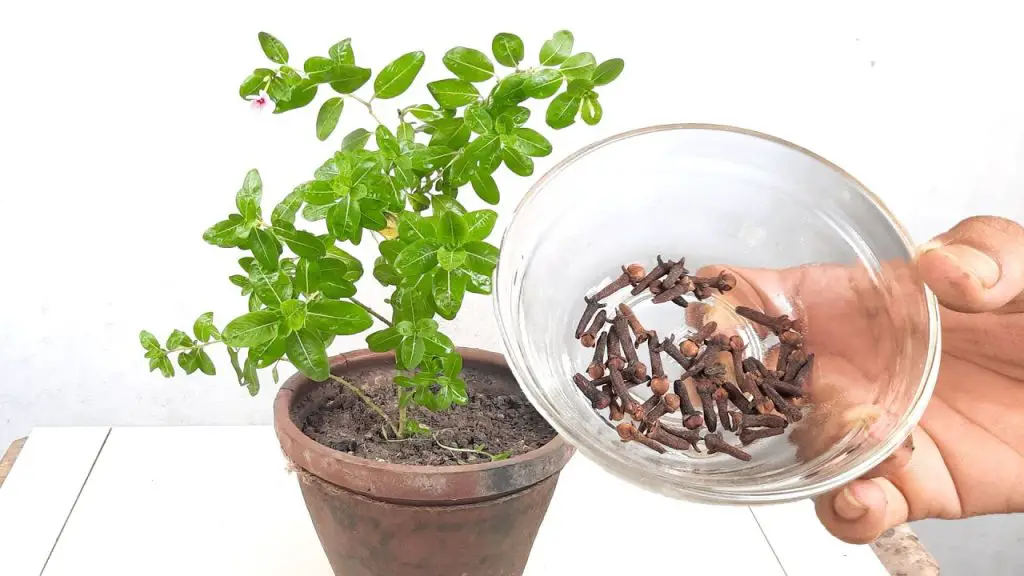
Cloves contain an active compound called eugenol, which has both antibacterial and antifungal properties. Eugenol can help to prevent harmful pests and diseases from attacking your plants. In addition to their pest-repelling abilities, cloves also act as an insect repellent, keeping aphids, mites, and other unwanted insects at bay. Using cloves as a pesticide is eco-friendly, safe for pets, and sustainable, making it a great alternative to harsh chemicals.
How to Make Clove Pesticide for Your Plants
Creating your own organic clove pesticide is simple, and you likely already have cloves in your kitchen. Here’s how you can prepare it:
Materials Needed:
- Cloves (whole or ground)
- Water (preferably distilled or rainwater)
- Spray bottle
- Strainer (if using whole cloves)
- Container for mixing
Step 1: Prepare the Clove Solution
To create a potent clove pesticide, you’ll need to mix cloves with water. There are two main ways to do this:
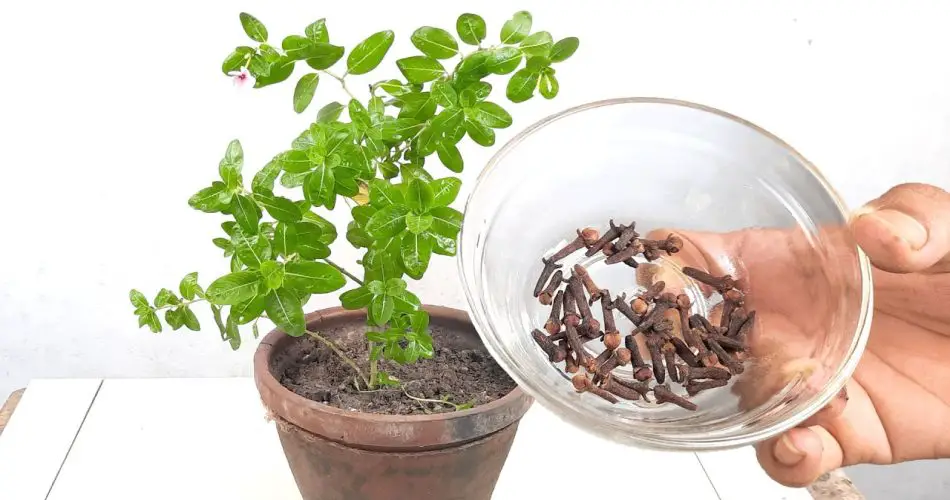
- Whole Cloves: Take about 10–15 whole cloves and place them in a pot with 1 liter of water. Boil the mixture for about 10–15 minutes to extract the active compounds from the cloves.
- Ground Cloves: If you have ground cloves, mix about 1–2 teaspoons of ground cloves with 1 liter of water. Stir well to ensure that the cloves are thoroughly mixed in the water.
Step 2: Strain the Mixture
Once the cloves have steeped in the water and the solution has cooled down, strain out the cloves using a fine strainer or cheesecloth. This ensures that no debris will clog your spray bottle.
Step 3: Pour into a Spray Bottle
Transfer the strained liquid into a clean spray bottle. This is now your homemade clove pesticide, ready for use in your garden.
Step 4: Apply the Pesticide
Spray the clove solution directly onto your plants, focusing on areas where pests are most likely to gather, such as undersides of leaves, stems, and roots. Be sure to spray evenly, but avoid over-saturating your plants. Repeat the process every few days or after rainfall for continued protection.
Benefits of Using Clove Pesticide
Using cloves as a pesticide offers a variety of benefits for both your plants and the environment:
- Non-toxic: Unlike chemical pesticides, clove-based solutions are non-toxic to humans, pets, and beneficial insects like bees and ladybugs.
- Natural Pest Repellent: Cloves are effective at deterring a wide range of pests, including aphids, mealybugs, and fungus gnats.
- Antifungal Properties: The antifungal properties of eugenol help protect plants from fungal diseases such as powdery mildew and root rot.
- Eco-friendly: Clove pesticide is biodegradable, ensuring it does not harm the environment or disrupt the balance of your garden’s ecosystem.
Additional Tips for Using Clove Pesticide
- Test First: Before applying clove pesticide to your entire garden, test it on a small area of one plant. This ensures that the solution does not harm your plants.
- Store Properly: Store leftover clove solution in a cool, dark place, and shake it well before reusing.
- Combine with Other Natural Pesticides: You can combine cloves with other natural ingredients like garlic, neem oil, or cayenne pepper for a more powerful pest-repelling solution.
Conclusion
Using cloves as a natural pesticide is an excellent way to protect your plants from pests and diseases while maintaining an organic, eco-friendly garden. The antifungal, antibacterial, and insect-repelling properties of cloves make them an ideal solution for anyone looking to avoid the harmful chemicals found in commercial pesticides. By making your own clove pesticide, you can ensure that your plants stay healthy and vibrant while safeguarding the environment.