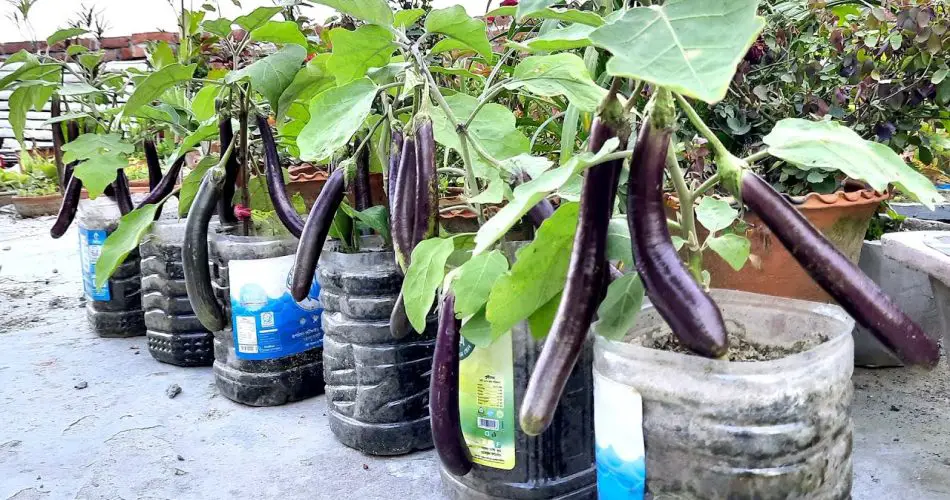
Eggplants, also known as brinjal, are a popular vegetable that thrives in warm climates. If you’re looking for an innovative and space-saving way to grow eggplants at home, using a plastic bottle can be a great option! Not only does it help in recycling plastic bottles, but it also allows you to grow eggplants in small spaces such as balconies, patios, or even indoors. Here’s a simple guide on how to grow eggplant in a plastic bottle, perfect for beginners or those with limited garden space.
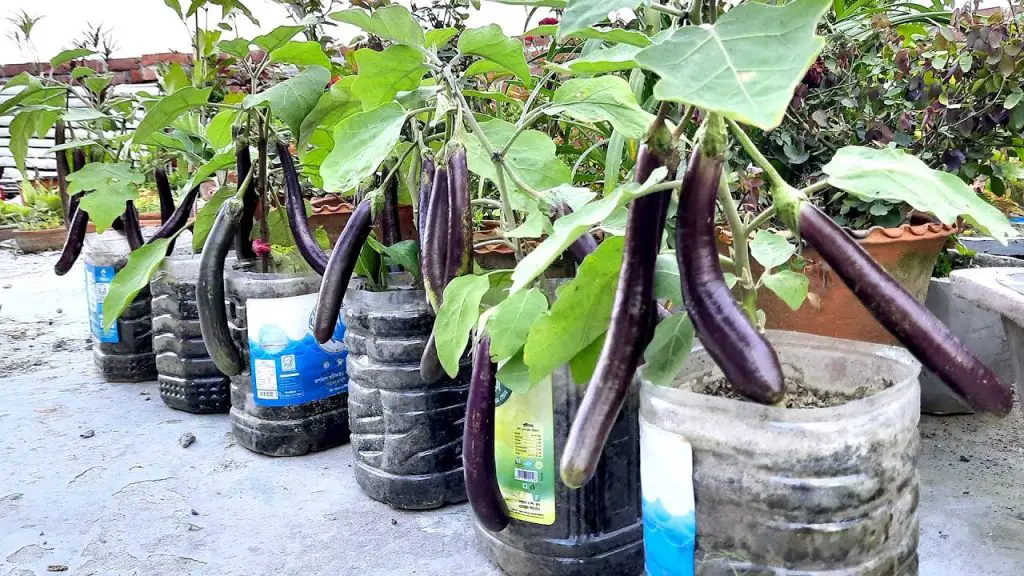
Why Grow Eggplant in a Plastic Bottle?
Using a plastic bottle for growing eggplant offers several benefits:
- Space-efficient: Ideal for small spaces like balconies or apartments.
- Recycling: Repurpose used plastic bottles instead of throwing them away.
- Cost-effective: Low-cost gardening solution compared to buying new pots.
- Good drainage: Plastic bottles provide excellent drainage for healthy root growth.
Materials Needed:
- A large plastic bottle (2-5 liters size works well)
- Sharp knife or scissors
- Potting soil or a well-draining mix
- Eggplant (brinjal) seeds or young seedlings
- Water
- Drill or nail (for creating drainage holes)
- Fertilizer (optional, but recommended for better growth)
- Spoon or small stick (for sowing seeds)
Step-by-Step Instructions:
Step 1: Prepare the Plastic Bottle
- Cut the Plastic Bottle: Start by cutting the plastic bottle in half or near the bottom, leaving around 3-4 inches of space at the bottom for roots to grow. The top half will serve as the planter.
- Make Drainage Holes: Using a drill or nail, create several drainage holes at the bottom of the plastic bottle. This is crucial to prevent waterlogging, which could harm the roots. Make sure there are at least 4-6 small holes.
Step 2: Prepare the Soil
- Fill with Potting Mix: Fill the bottom half of the bottle with well-draining potting soil or a mixture of garden soil and compost. This will help with nutrient retention and ensure your eggplant gets the required minerals and water.
- Add Fertilizer: If you’re using a fertilizer, mix it into the soil to provide a nutrient boost for the eggplant’s growth. Organic fertilizers work best.
Step 3: Plant the Eggplant Seeds or Seedlings
- Plant the Seeds: If you’re starting with seeds, make small holes in the soil using your finger or a stick. Plant 2-3 seeds per hole and cover them lightly with soil.
- Plant the Seedlings: If you’re transplanting young seedlings, gently remove them from their container and place them into the soil. Make sure the root ball is fully covered.
- Water the Soil: After planting the seeds or seedlings, water the soil lightly to ensure it’s moist but not soaked.
Step 4: Position the Bottle for Sunlight
- Place the Bottle in a Sunny Spot: Eggplants require full sunlight to thrive. Find a location with at least 6-8 hours of sunlight each day, such as a sunny windowsill, balcony, or terrace.
- Temperature Requirements: Eggplants prefer warm temperatures. Make sure the location is warm and protected from frost.
Step 5: Watering and Maintenance
- Water Regularly: Keep the soil moist by watering the plant regularly. Avoid over-watering; it’s important to allow the soil to dry slightly between waterings. Check the drainage holes to make sure excess water is draining out properly.
- Support the Plant: As the eggplant grows, it may need support. Use small stakes or bamboo sticks to support the plant and prevent it from falling over.
- Fertilize Periodically: If the plant shows signs of slow growth, you can fertilize it with a liquid fertilizer once a month.
Step 6: Harvesting the Eggplant
- Harvest When Mature: Eggplants typically take 60-80 days to mature from seedling to harvest. The fruits will be ready when they are firm and glossy with a rich purple color. Use a sharp knife or scissors to cut the eggplants off the plant.
Tips for Growing Eggplant in Plastic Bottles:
- Space the Seeds Properly: If you’re growing multiple plants, make sure to space the seeds or seedlings about 18 inches apart to give the plants room to grow.
- Prune Regularly: Prune off any dead or damaged leaves to keep the plant healthy and encourage more fruit production.
- Use High-Quality Soil: Use nutrient-rich, well-draining soil to avoid root rot and to promote healthy growth.
Conclusion
Growing eggplant (brinjal) in a plastic bottle is a fun and environmentally friendly way to enjoy fresh vegetables at home. Whether you’re a beginner or have limited space, this method allows you to grow eggplants effectively while recycling and making the most of your available space. By following the steps outlined above and providing the right care, you can enjoy homegrown eggplants in no time!