Rose propagation can be an exciting and rewarding activity for any gardening enthusiast. While traditional methods often involve planting cuttings in soil, you can propagate rose cuttings without soil using a surprisingly simple and effective technique: the banana peel method. This innovative method provides a natural and nourishing medium for the rose cutting, promoting healthy root development without the need for soil.
In this article, we’ll walk you through the process of propagating roses using banana peel, which offers an environmentally friendly and efficient way to grow your rose plant from cuttings.
Why Use Banana Peel for Rose Propagation?
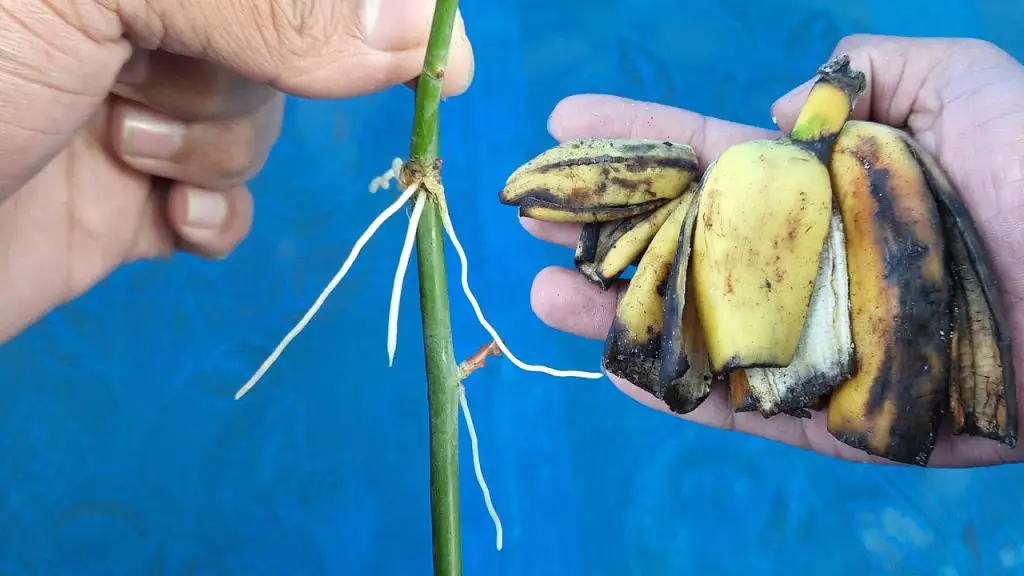
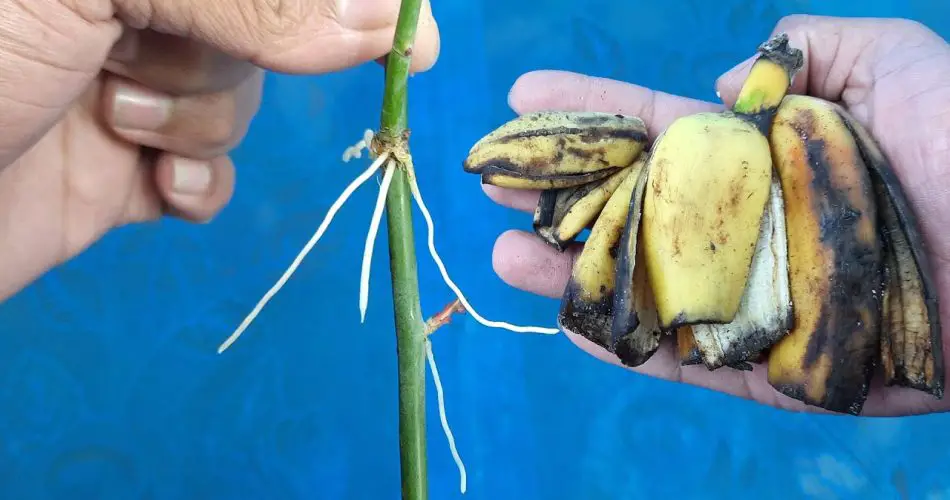
Banana peels are rich in essential nutrients such as potassium, phosphorus, and magnesium, which are vital for root development and healthy plant growth. Using them as a growing medium can help your rose cutting thrive without the need for soil. The peel helps retain moisture and provides a moist environment that encourages the cutting to take root.
Additionally, banana peels are an excellent way to recycle kitchen waste, making this a cost-effective and eco-friendly method for propagating roses.
What You’ll Need for Propagating Roses Using Banana Peel
Before you start, gather the following materials:
- Fresh rose cutting (around 6 inches long, with at least one node).
- Banana peel (preferably from an organic banana).
- A sharp knife or scissors (to cut the rose stem).
- A clean container (such as a small bowl or jar).
- Water (to keep the cutting hydrated).
- Plastic wrap or a plastic bag (optional, to create a humid environment).
Step-by-Step Guide: How to Propagate Rose Cuttings Without Soil Using Banana Peel
1. Prepare the Rose Cutting
Start by selecting a healthy rose branch with a node (the point where leaves emerge). The cutting should be about 6 inches long. Use a sharp knife or scissors to make a clean cut just below the node. Remove any leaves or flowers from the cutting to focus energy on root development.
Once the cutting is ready, you can dip the cut end in a bit of rooting hormone (optional) to encourage faster root growth, although it’s not necessary.
2. Prepare the Banana Peel
Next, take a banana peel and carefully remove it from the fruit. Cut the peel into small strips, roughly 2 to 3 inches long. You want to make sure that the peel is fresh, so try to avoid using peels that are overly ripe or too old.
3. Place the Rose Cutting on the Banana Peel
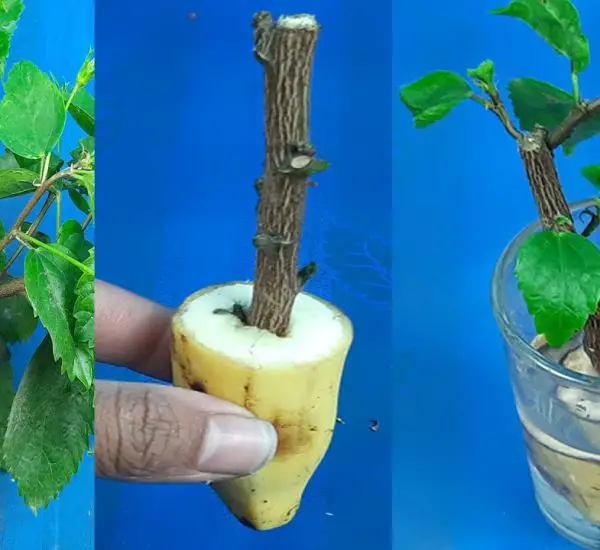
Now, take your rose cutting and place the cut end onto the banana peel. You can either lay the cutting directly on the peel or make a small slit in the peel to insert the cutting. The peel should cover the cut portion, as it will help retain moisture and create an environment conducive to root growth.
The banana peel acts as a natural rooting medium, supplying the necessary nutrients that the cutting needs to develop roots.
4. Add Moisture and Humidity
To encourage rooting, place the cutting and banana peel in a clean container (such as a jar or a small bowl) with a bit of water at the bottom. You want to make sure that the water doesn’t touch the cutting directly, but provides humidity around the cutting. If desired, cover the cutting with plastic wrap or a plastic bag to create a mini greenhouse effect, helping to keep the environment warm and moist.
Ensure the container is placed in a warm area with indirect sunlight—avoid direct exposure to the sun, as this can dry out the cutting too quickly.
5. Wait for Root Development
Over the next few weeks, check the cutting regularly to ensure that it’s staying moist. You should start to see roots emerging from the cut end of the rose cutting. This process typically takes 2 to 3 weeks, depending on environmental conditions. The banana peel will continue to decompose slightly, providing additional nutrients to support root growth.
Once the cutting has developed a healthy root system, it’s ready for transplanting into a small pot with well-draining soil.
6. Transplant the Rose Cutting into Soil
After the roots are well-established, gently remove the cutting from the banana peel. Be careful not to damage the roots during the process. Transplant the rose cutting into a pot with fertile soil and water it well.
Continue to care for the cutting by ensuring it gets enough light, water, and nutrients as it grows into a mature rose plant.
Tips for Success in Propagating Roses Using Banana Peel
- Humidity is crucial: Make sure the environment is humid by covering the cutting with plastic wrap or placing it in a container.
- Avoid overwatering: Ensure the water doesn’t touch the cutting directly, as too much water can lead to rotting.
- Choose the right cutting: Select a healthy, disease-free rose cutting for better chances of success.
- Warm temperatures: Keep the cutting in a warm spot, ideally between 70-75°F (21-24°C) to encourage faster rooting.
- Monitor the roots: Check the progress regularly and transplant the cutting once the roots are strong and visible.
Conclusion
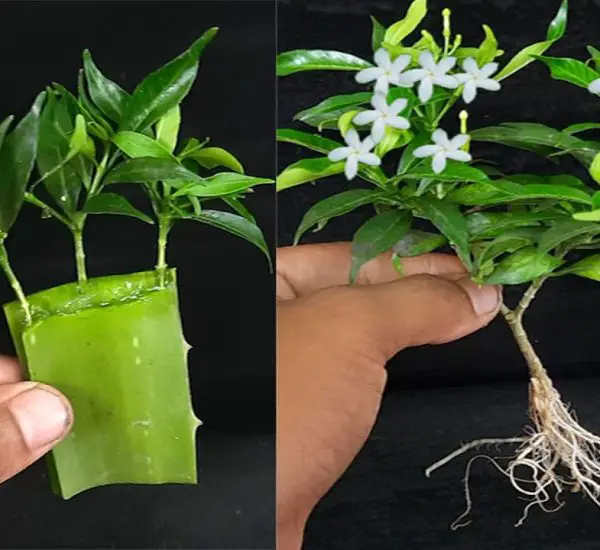
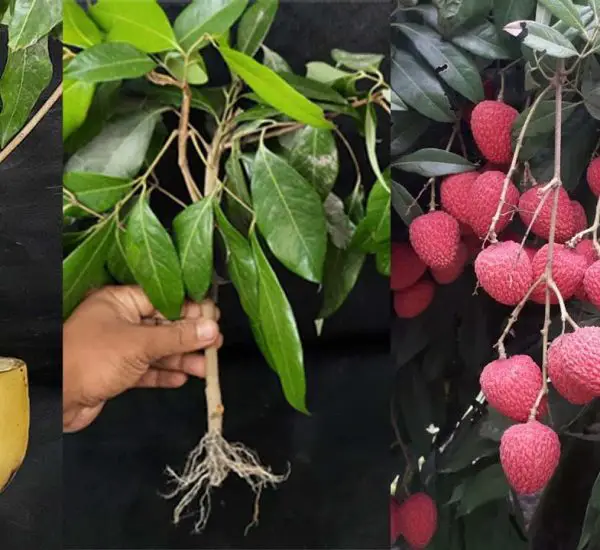
Propagating roses without soil using banana peel is an innovative and natural way to grow beautiful roses from cuttings. This method provides a nutrient-rich environment for the cutting, promoting root growth and reducing the need for traditional soil. Whether you’re a beginner or an experienced gardener, this simple and effective technique is worth trying out in your garden. Happy gardening, and enjoy your new rose plants! 🌹