Propagating a guava tree from cuttings is an easy and effective way to grow a new tree without the need for seeds. This method allows you to create a genetically identical plant to the parent, ensuring that the new tree will have the same fruiting characteristics. Whether you’re a seasoned gardener or a beginner, propagating guava trees from cuttings is a rewarding process that requires just a few simple steps and patience.
Why Propagate Guava from Cuttings?
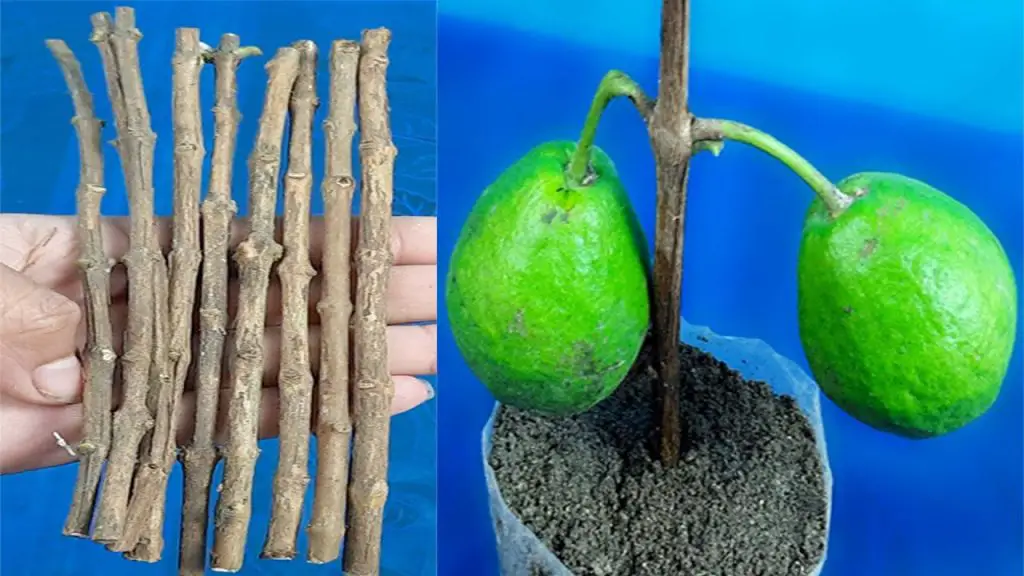
The most significant advantage of propagating guava trees from cuttings is that it’s a faster and more reliable method than growing from seed. Cuttings will typically root and start growing much quicker than seeds, and since you’re using part of an existing tree, you’re guaranteed that the new plant will have the same qualities. This makes cutting propagation an ideal choice if you want to grow a guava tree with the same fruit quality and size as the original.
What You’ll Need for Propagating Guava Tree from Cuttings
Before you begin, make sure you have the following materials:
- Healthy guava tree cutting (6-8 inches in length).
- Sharp knife or pruning shears.
- Rooting hormone (optional, but recommended for faster root growth).
- Clean container (a small pot or jar with drainage holes).
- Well-draining potting mix (a mix of perlite, sand, and peat moss works well).
- Plastic bag or plastic wrap (optional, for creating humidity).
Step-by-Step Guide: How to Propagate Guava Tree from Cuttings
1. Select the Right Cutting
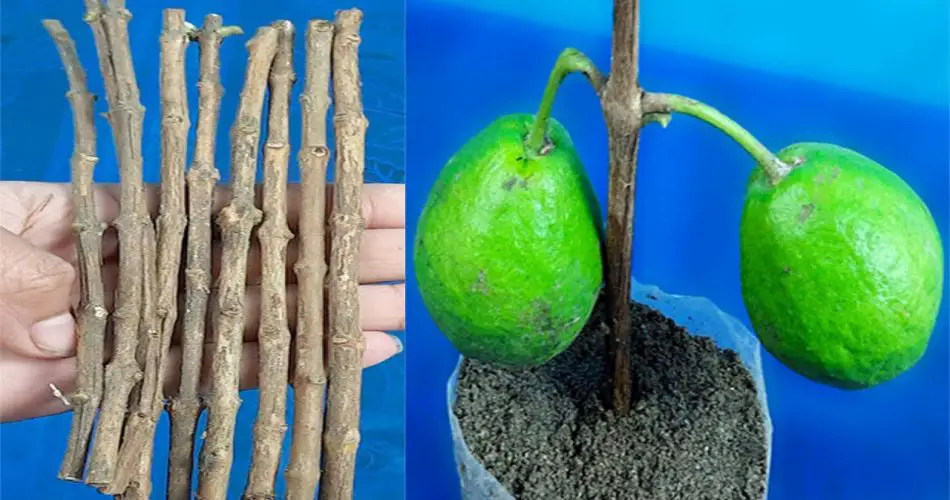
Start by choosing a healthy, mature guava tree that is disease-free and has been producing quality fruit. Look for semi-hardwood cuttings, which are taken from mature branches that are neither too young nor too old. These cuttings should be around 6-8 inches long and have at least one or two nodes (the part of the stem where leaves and roots emerge).
2. Prepare the Cutting
Using your sharp knife or pruning shears, cut a clean, slanted section just below a node. Removing the lower leaves carefully, leaving just a couple of leaves at the top, will help the cutting direct energy towards root development. If the cutting is too long, you can cut it in half to make it more manageable.
3. Optional: Apply Rooting Hormone
Although optional, applying rooting hormone to the cut end of the guava cutting can help encourage faster root growth. Simply dip the cut end of the stem into the rooting hormone powder and shake off any excess.
4. Plant the Cutting
Prepare your container by filling it with a well-draining potting mix. The potting mix should be moist, not soggy. Use a small pot or a plastic container with drainage holes to ensure proper water drainage.
Make a hole in the soil with your finger or a stick and gently place the cutting into the hole. Press the soil lightly around the cutting to hold it in place. Ensure that at least one node is buried beneath the soil, as roots will emerge from the node.
5. Create a Humid Environment
To help the cutting retain moisture and encourage root growth, you can create a humid environment. Cover the cutting with a plastic bag or plastic wrap, leaving enough room for the cutting to breathe. This will act as a mini-greenhouse and help maintain high humidity around the cutting, which is essential for rooting. Be sure to ventilate the plastic every few days to prevent mold growth.
6. Keep the Cutting in a Warm, Bright Spot
Place your potted cutting in a warm, bright area with indirect sunlight. Avoid direct sunlight, as it can dry out the cutting too quickly. The ideal temperature for root development is between 70-85°F (21-29°C).
7. Water and Monitor Root Growth
Make sure the soil remains moist, but not overly saturated. Watering should be done lightly to keep the cutting hydrated without risking rot. After a few weeks, you should begin to see signs of root development.
You can gently tug on the cutting to see if resistance is felt, indicating that roots have started to form. Typically, guava tree cuttings will root within 4-6 weeks, though this can vary depending on environmental conditions.
8. Transplant the Guava Tree
Once the cutting has developed a strong root system, it’s time to transplant it into a larger pot or directly into the ground if the weather allows. Make sure to harden off the young guava tree by gradually acclimating it to outdoor conditions before planting it in the garden.
Tips for Successful Guava Propagation from Cuttings
- Choose the right time: The best time to propagate guava cuttings is during the late spring to early summer when the plant is actively growing.
- Avoid overwatering: Too much water can lead to rot, so ensure that your potting mix drains well.
- Patience is key: Be patient, as it may take several weeks for the cutting to root and establish itself.
- Fertilize lightly: Once the cutting has roots, you can start feeding it with a balanced, slow-release fertilizer.
Conclusion
Propagating a guava tree from cuttings is a simple and cost-effective way to grow a new tree without the hassle of starting from seeds. By following these steps and providing the right conditions, you’ll be on your way to having your own healthy, fruit-bearing guava tree in no time. Enjoy the process of watching your cutting grow into a beautiful and fruitful plant! 🌱