The Jambo plant, also known as the Water Apple (Syzygium aqueum), is a tropical tree known for its attractive appearance and delicious, water-filled fruit. If you’re looking to propagate your Jambo tree, air layering is one of the most effective methods. By using air layering with water, you can grow new plants from the existing tree without needing seeds. This method encourages the plant to form roots while still attached to the parent tree, making it easier to transplant once it’s ready.
Here’s a simple guide on how to propagate your Jambo plant using the air layering technique with water.
What is Air Layering?
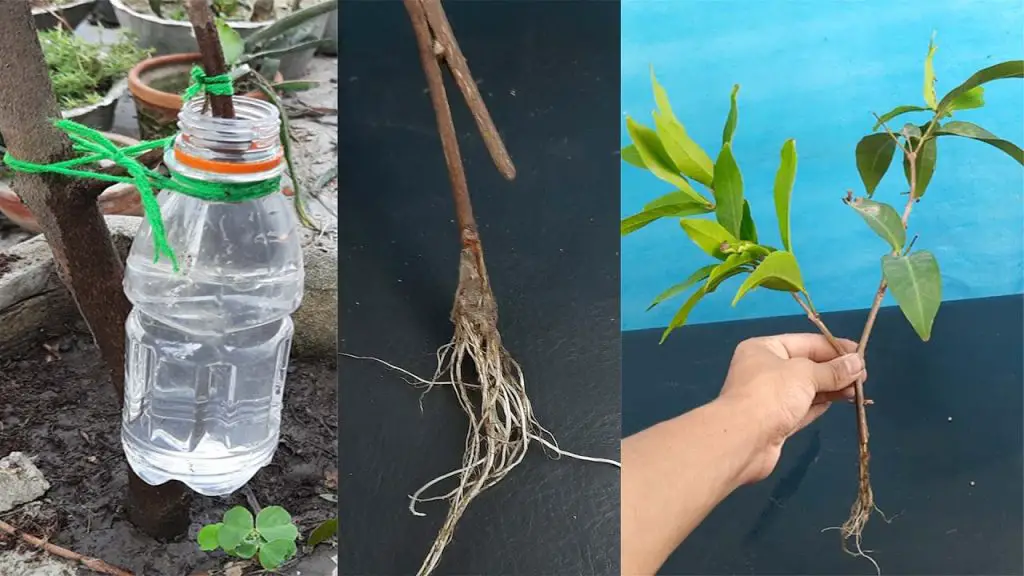
Air layering is a technique where you encourage a part of a plant to form roots while still attached to the main plant. This process is ideal for plants like the Jambo, which might be more challenging to propagate from cuttings or seeds. Air layering is beneficial because it allows the new plant to grow its own roots while still drawing nutrients from the parent plant, leading to a higher success rate.
Why Use Water in Air Layering?
While traditional air layering usually involves using moist sphagnum moss or soil around the stem, using water in the air layering process provides several advantages:
- Constant Moisture: Water ensures that the developing roots receive consistent moisture, which helps with faster root formation.
- Clean and Simple: Using water eliminates the mess of moss or soil, making it easier to manage the layering process.
- Clear Visibility: Water allows you to easily see when roots begin to form, ensuring the best time to separate the new plant from the parent tree.
How to Propagate Jambo Plant Using Air Layering with Water
Here’s how you can successfully propagate your Jambo plant using the air layering method with water:
Materials Needed
- Healthy Jambo tree (Water apple) with a mature branch
- Sharp knife or pruning shears
- Clear plastic wrap or plastic bag
- String or twine to secure the plastic
- Water (preferably room temperature)
- Container or bottle to hold the water around the stem
- Rooting hormone (optional)
Step-by-Step Guide
- Select a Healthy Branch
- Choose a mature branch that’s about 1-2 years old and has healthy, green leaves. This branch should be flexible but not too woody.
- Look for a section of the branch that is about 12-18 inches long, ideally located near the main stem of the plant.
- Prepare the Branch for Layering
- Using a sharp knife, make a small upward incision about 1-2 inches long along the outer bark of the selected branch. Be careful not to cut too deeply into the branch itself.
- Gently peel back the bark where you made the incision, exposing the inner cambium layer. This is where new roots will form.
- If desired, you can apply rooting hormone to the exposed area to encourage quicker root development.
- Create a Water Reservoir
- Take a clear plastic bottle or container and cut it in half. The container should be large enough to hold water around the exposed part of the branch.
- Fill the container with water, ensuring it’s deep enough to submerge the exposed area of the branch but not too much that it covers the leaves.
- Wrap the Branch with Plastic
- Wrap the branch and the water-filled container with plastic wrap or a plastic bag. Secure it tightly with twine or string to ensure the water stays around the exposed section.
- Make sure the plastic wrap is sealed to keep the moisture inside and prevent it from evaporating.
- Monitor and Maintain the Setup
- Keep the air layering setup in a warm, well-lit area but out of direct sunlight. Too much direct heat could cause the water to evaporate too quickly.
- Check the water level regularly and refill as necessary to ensure that the branch stays submerged.
- Over the next few weeks, you should see roots beginning to form in the water around the exposed area of the branch. This could take anywhere from 4-8 weeks, depending on environmental factors like temperature and humidity.
- Separate the New Plant
- Once the new roots are well-developed and visible through the plastic or container, it’s time to separate the new plant.
- Cut the branch just below the newly-formed roots, being careful not to damage the roots.
- Remove the plastic and container, and you now have a new Jambo plant with its own root system.
- Plant the New Jambo Tree
- Prepare a small pot or the desired spot in your garden with well-draining soil.
- Gently plant the new Jambo tree in the soil, ensuring the roots are well spread out. Water it thoroughly to settle the soil around the roots.
- Continue to care for the plant by providing it with plenty of sunlight and water, and it will establish itself as a new, independent tree.
Benefits of Air Layering with Water for Jambo Plants
- Higher Success Rate: The water method increases the chances of successful root formation, as it keeps the area constantly moist.
- Less Mess: Unlike traditional air layering with soil or moss, using water eliminates the mess and simplifies the process.
- Faster Root Development: The constant supply of moisture encourages faster root development, leading to a quicker transplant.
- Clear Monitoring: With water, you can visibly check the progress of the roots and ensure they’re ready before removing the new plant.
Tips for Success
- Humidity: Ensure that the environment around the air layering setup is relatively humid to prevent the exposed area from drying out.
- Light: Place the Jambo tree in indirect sunlight to avoid heat stress while the roots are developing.
- Water Quality: Use clean, room-temperature water to avoid introducing any harmful bacteria or minerals to the roots.
Conclusion
Air layering with water is an effective and simple way to propagate your Jambo (Water apple) plant. By using this method, you can easily grow new trees while keeping the parent plant intact. With a little patience and proper care, you’ll soon have a thriving new Jambo tree ready to flourish in your garden or home. Try this air layering with water technique and watch your Jambo plant grow and multiply in no time!