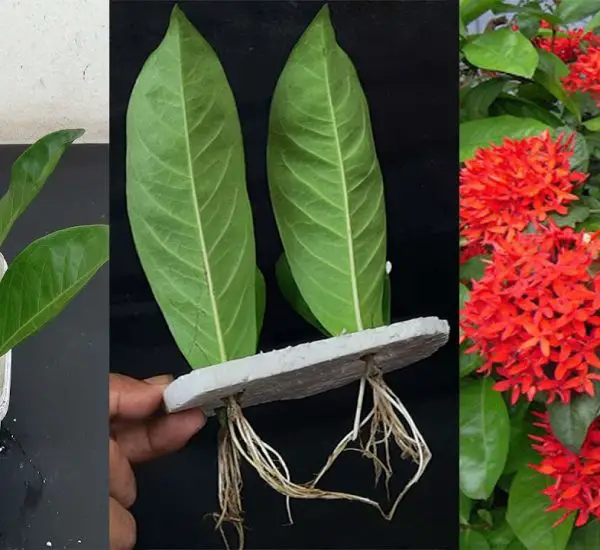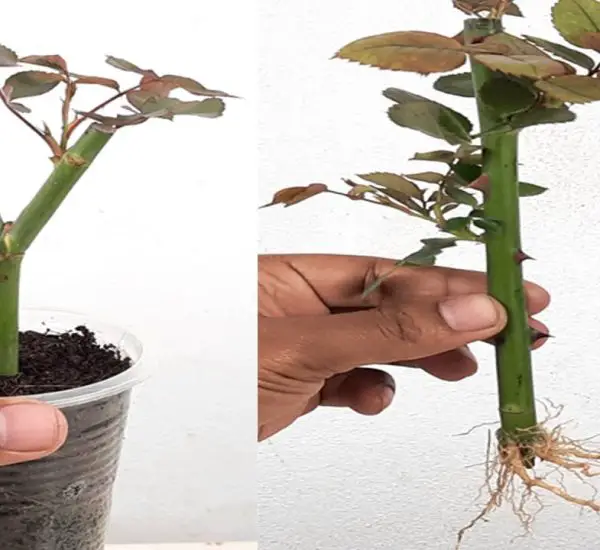
Cloves, a common spice used in cooking, can also be an effective natural fertilizer for your plants. Not only do cloves contain essential minerals and nutrients, but they also offer antimicrobial properties that can help your plants thrive. If you’re looking for an eco-friendly way to boost your garden, using cloves to make liquid fertilizer is a simple yet powerful solution. Here’s how you can create clove-based liquid fertilizer to nourish your plants.
Why Use Cloves for Fertilizer?
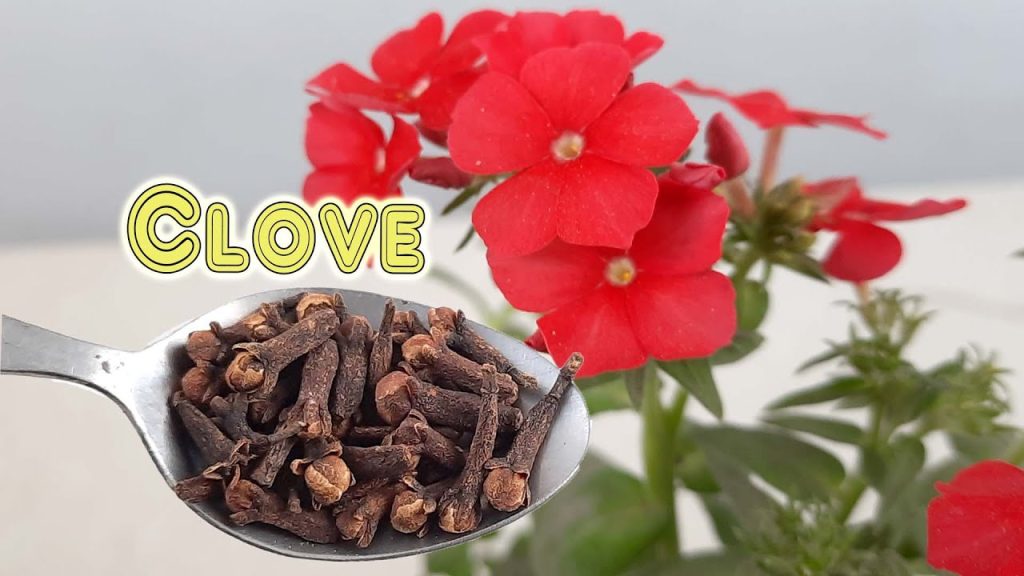
Cloves are packed with nutrients that can benefit your plants:
- Minerals: Cloves are rich in important minerals such as potassium, calcium, and phosphorus, all of which are essential for plant growth.
- Antimicrobial Properties: Cloves contain eugenol, a compound that has antifungal and antibacterial properties. This can help protect your plants from common plant diseases.
- Natural and Eco-Friendly: Unlike chemical fertilizers, cloves are a natural option that won’t harm the environment or your soil over time.
By making liquid fertilizer with cloves, you provide a nourishing solution that encourages stronger roots, healthier growth, and increased flower and fruit production.
How to Make Liquid Fertilizer with Cloves
Making clove-based liquid fertilizer is simple and requires just a few steps. Here’s how you can do it:
Ingredients and Materials
- 1 tablespoon of whole cloves (or 2 tablespoons of ground cloves)
- 1 liter of water
- A jar or container with a lid
- Strainer or cheesecloth
- A spray bottle or watering can
Instructions
- Boil the Water: Start by boiling 1 liter of water in a pot or kettle. Bring it to a full boil to ensure that the water will extract the nutrients from the cloves effectively.
- Add the Cloves: Once the water has boiled, add 1 tablespoon of whole cloves or 2 tablespoons of ground cloves to the water. Stir gently to mix them in.
- Let the Mixture Steep: Cover the container with a lid or cloth and allow the cloves to steep in the water for about 24 hours. This process helps the nutrients and beneficial compounds from the cloves to infuse into the water.
- Strain the Liquid: After 24 hours, strain the mixture through a cheesecloth or a fine strainer to remove the cloves. What you’re left with is your clove-infused liquid fertilizer.
- Transfer to a Spray Bottle or Watering Can: Pour the strained liquid into a spray bottle or a watering can, depending on how you plan to apply it to your plants.
How to Use Clove Liquid Fertilizer
Now that you have your clove-based liquid fertilizer, here’s how to apply it to your plants:
- For Leafy Greens: Use a spray bottle to mist the leaves of your plants with the clove fertilizer. This method allows the leaves to absorb the nutrients directly, promoting healthy leaf growth.
- For Root Plants: Water your plants with the liquid fertilizer using a watering can. The nutrients will be absorbed by the roots, promoting stronger root development and overall plant health.
- For Flowering and Fruiting Plants: Apply the fertilizer to both the soil and the leaves for boosted flowering and fruiting. Cloves can help improve the health of the flowers and fruit by providing essential minerals.
Apply the liquid fertilizer once a week to keep your plants strong and healthy.
Benefits of Using Clove-Based Liquid Fertilizer
- Improved Plant Health: The antimicrobial properties of cloves help protect plants from common diseases like mold and mildew, keeping your garden healthier overall.
- Stronger Growth: The minerals in cloves, such as potassium and calcium, support strong and vigorous plant growth, encouraging larger, more robust plants.
- Natural and Safe: Unlike synthetic fertilizers, clove-based fertilizers are natural, making them safe for your plants, pets, and the environment.
- Affordable: Cloves are a budget-friendly option for creating liquid fertilizer, especially if you already have them in your kitchen.
Additional Tips
- Dilution: If you want a more gentle solution, you can dilute the clove liquid fertilizer with additional water (e.g., 1:2 ratio of fertilizer to water) to prevent over-fertilizing.
- Storage: Store any leftover clove liquid fertilizer in a cool, dark place for up to a week. Be sure to shake it well before each use.
- Precautions: While cloves are safe for most plants, always test the fertilizer on a small area of the plant to ensure it doesn’t cause any adverse reactions.
Conclusion
Using cloves to make liquid fertilizer for your plants is an easy, effective, and natural way to provide essential nutrients and improve plant health. By harnessing the power of cloves, you can nourish your garden with a natural, eco-friendly solution that supports healthy growth, vibrant flowers, and strong roots. Whether you’re growing leafy vegetables, beautiful flowers, or fruit-bearing plants, clove-based fertilizer is a great addition to your gardening routine. Give it a try and watch your plants thrive!