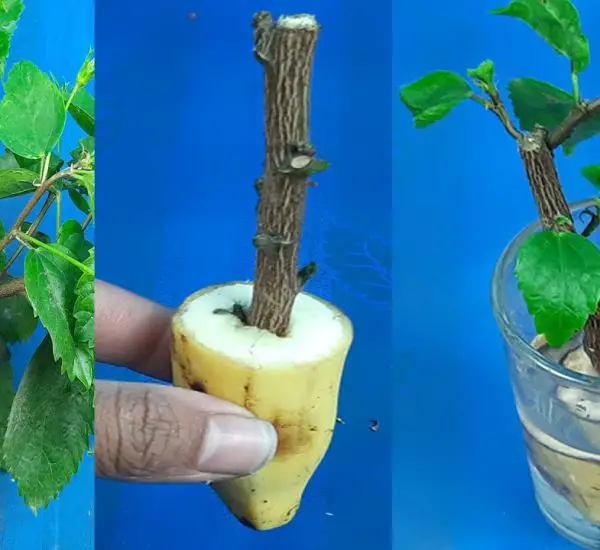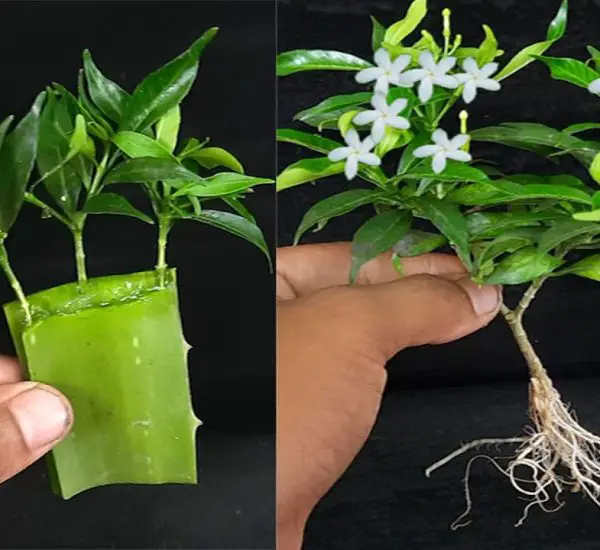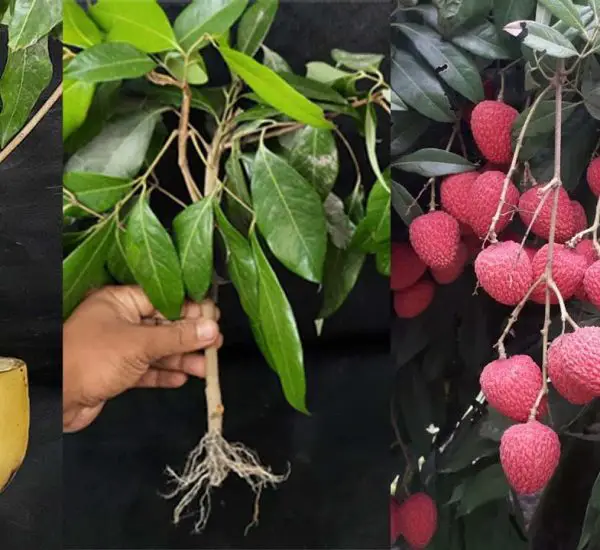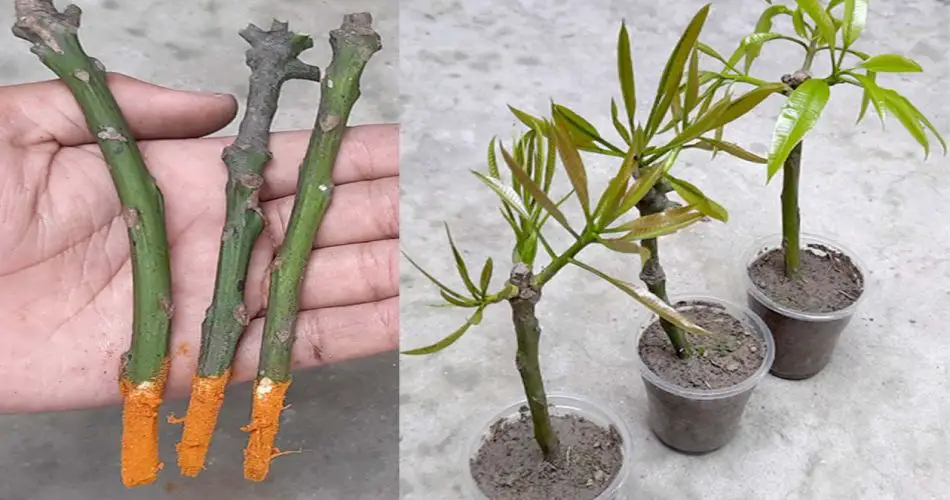
Mango trees are beloved for their delicious fruits and lush greenery. While growing mango trees from seeds is common, propagating mango trees from cuttings is an effective and quicker alternative that allows you to create new trees from a parent plant. By following the right technique, you can propagate a mango tree from cuttings and enjoy the fruits of your labor sooner. In this article, we’ll walk you through how to propagate a mango tree from cuttings, ensuring success in your gardening efforts.
Why Propagate Mango Trees from Cuttings?
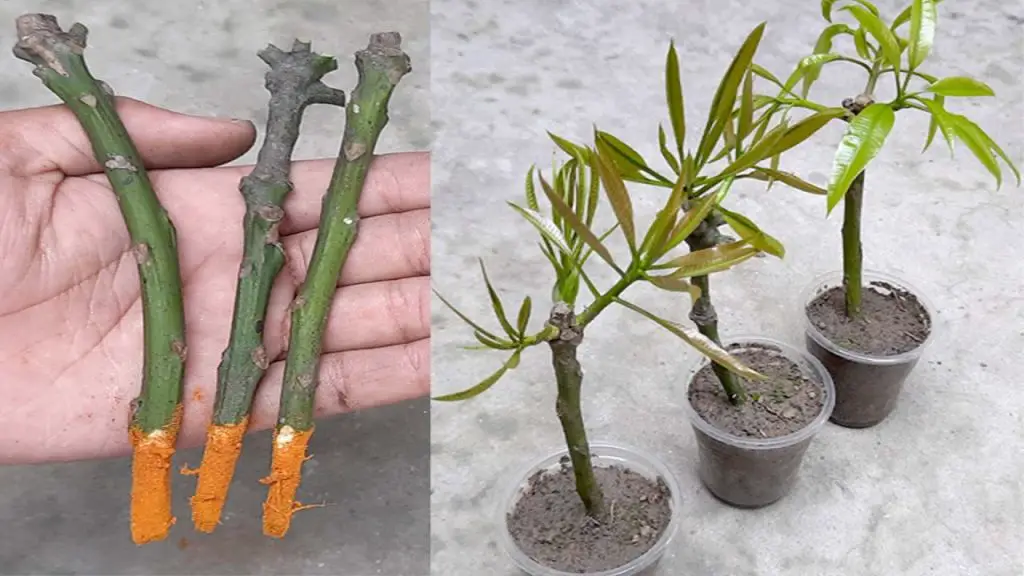
Propagating a mango tree from cuttings offers several benefits:
- Faster Fruit Production: Mango trees grown from cuttings tend to bear fruit faster compared to those grown from seeds, often within 2-3 years.
- Clonal Reproduction: The cutting will grow into a tree that is genetically identical to the parent, ensuring you get the same quality of mangoes.
- Easier Growth in Certain Conditions: In some cases, propagating through cuttings may be more successful than growing from seed, especially in regions where mango seeds may not sprout easily.
What You’ll Need to Propagate a Mango Tree from Cuttings
Before you begin the process of mango tree propagation, make sure you have the following materials:
- Healthy Mango Tree: Select a tree that is healthy and producing quality mangoes.
- Sharp Pruning Shears: To make a clean cut and avoid damage to the plant.
- Rooting Hormone: This can help stimulate root growth and improve success rates.
- Small Pot or Container: For planting the cutting.
- Well-draining Potting Mix: A mixture of soil, sand, and organic matter works well.
- Plastic Bag or Humidity Dome: To maintain humidity around the cutting.
- Water: For watering the cutting.
Step-by-Step Guide to Propagate Mango Trees from Cuttings
1. Select the Right Cutting
Choose a healthy, mature mango tree for the cutting. Ideally, select a semi-hardwood stem that is around 6-8 inches long and free of any disease. Make sure the cutting has a few leaves, as these will help the plant focus on growing roots.
- Timing is important: Late spring or early summer is the best time for mango cutting propagation, as this is when the tree is actively growing.
2. Prepare the Cutting
Once you have selected your cutting, follow these steps:
- Make the Cut: Using your sharp pruning shears, cut the stem just below a leaf node. The cutting should be about 6-8 inches in length and should have at least one or two leaves.
- Remove Lower Leaves: Strip off the leaves from the lower part of the cutting, leaving just a few leaves at the top. This will help the cutting focus its energy on root development.
3. Apply Rooting Hormone
To increase the chances of successful rooting, dip the cut end of the mango cutting in rooting hormone. This helps to stimulate the growth of roots and can greatly improve the success rate of your propagation.
- Optional Step: If you don’t have rooting hormone, you can also try using a natural method like honey or cinnamon to help promote root growth.
4. Prepare the Potting Mix
Fill a small pot or container with a well-draining potting mix. A mixture of equal parts of sand, perlite, and peat moss is ideal for mango cuttings, as it provides the right amount of moisture retention and drainage. You can also use a commercial cactus mix for added drainage.
5. Plant the Cutting
Make a hole in the soil with a pencil or stick and insert the cutting about 2 inches deep into the soil. Gently pack the soil around the base of the cutting to ensure it’s secure and upright.
6. Create a Humid Environment
Mango cuttings require high humidity to root successfully. After planting the cutting, cover the pot with a plastic bag or place it under a humidity dome to keep moisture in. This will help the cutting retain moisture and encourage root development.
- Tip: Make sure the plastic or dome doesn’t touch the leaves. You can use sticks or small stakes to keep the plastic away from the plant.
7. Place the Cutting in a Warm, Bright Location
Place the pot in a warm, bright area, but avoid direct sunlight, which can scorch the cutting. The ideal temperature for mango cutting propagation is between 75°F to 85°F (24°C to 29°C).
- Air circulation is important: While the cutting needs humidity, make sure the area has proper airflow to prevent mold growth. Open the plastic bag or dome for a few minutes each day to allow fresh air to circulate.
8. Water the Cutting
Water the cutting lightly to keep the soil moist, but be careful not to overwater. Overwatering can cause the cutting to rot. The soil should remain damp, but not soggy.
- Tip: It’s important to check the cutting regularly for signs of rot or mold. If the cutting seems to be rotting, remove it from the soil and cut off the damaged parts before replanting.
9. Wait for Root Development
It can take anywhere from 4 to 8 weeks for the cutting to develop roots. To check if the roots have formed, gently tug on the cutting. If you feel resistance, the roots have likely started to grow.
10. Transplant the Cutting
Once the mango cutting has developed a healthy root system, it’s time to transplant it into a larger pot or directly into the ground. If you plan to keep the tree in a container, choose a larger pot with good drainage. If you live in a warm, tropical climate, you can plant the tree in your garden after it has developed a strong root system.
Tips for Success in Mango Tree Propagation
- Patience is Key: Mango cuttings can take time to root, so be patient and give them the right conditions to grow.
- Avoid Overwatering: Mango cuttings are sensitive to excess moisture, so make sure the soil is well-drained and not soggy.
- Use a Sharp Cutting Tool: A clean, sharp cut helps prevent disease and promotes faster healing for the cutting.
- Consider Grafting: If you want to propagate a mango tree quickly, grafting is another method that can speed up fruit production.
Conclusion
Propagating a mango tree from cuttings is an easy and effective way to grow your own mango tree at home. By following the steps outlined in this article, you can ensure successful rooting and enjoy a healthy, fruitful tree in no time. Whether you’re a beginner gardener or an experienced plant enthusiast, propagating mango trees from cuttings is a rewarding project that will bring beauty and fresh mangoes to your garden.