If you are looking for an eco-friendly and effective way to enhance your garden’s soil, water hyacinth composting could be the perfect solution. Known for its ability to thrive in aquatic environments, water hyacinth is often considered a nuisance in many parts of the world due to its rapid growth. However, this invasive plant can be repurposed into nutrient-rich compost that benefits your garden. In this article, we’ll guide you through the process of making water hyacinth compost at home, transforming this common aquatic plant into a valuable resource for your garden.
Why Use Water Hyacinth for Compost?

Water hyacinth (Eichhornia crassipes) is a floating aquatic plant that is often considered a pest because of its ability to block water bodies and outcompete other aquatic life. Despite its reputation, water hyacinth is an excellent source of organic material that can be used to enrich your garden soil. It contains a high level of nitrogen, making it an ideal compost ingredient for improving soil fertility. By composting water hyacinth, you can help reduce its environmental impact while benefiting your garden at the same time.
How to Collect Water Hyacinth for Composting
The first step in making water hyacinth compost is to gather the plant material. Here’s how you can do it:
- Find a Water Source: Water hyacinths often grow in ponds, lakes, or rivers. If you live near a water body where these plants are present, you can easily collect them.
- Harvesting the Plants: Use a rake or your hands to gather the floating water hyacinth. Be sure to remove both the roots and leaves, as they both contain valuable nutrients.
- Ensure Sustainability: If you are harvesting water hyacinths from a local water body, make sure that it is not causing any harm to the ecosystem. Only collect a sustainable amount, and consider consulting local guidelines on harvesting these plants.
Preparing Water Hyacinth for Composting
Once you’ve gathered enough water hyacinth, the next step is to prepare the plant material for composting. Here’s what you need to do:
- Clean the Plants: Rinse off any dirt, debris, or excess water from the hyacinths to ensure that only clean plant material is added to the compost pile.
- Chop or Shred the Hyacinths: While you can add the whole plants to your compost, chopping or shredding the water hyacinths into smaller pieces will speed up the decomposition process. You can use a garden shredder or simply cut the plants with a sharp tool.
- Dry the Material (Optional): If you live in a humid environment, it might be beneficial to dry the plant material for a few days before composting to reduce moisture content. However, if you are composting in an area with dry conditions, it may not be necessary.
Steps to Compost Water Hyacinth at Home
Now that you have your water hyacinth prepared, it’s time to turn it into compost. Follow these steps for an efficient composting process:
1. Set Up a Compost Pile or Bin
Choose an area in your garden or yard to create a compost pile. You can either make a heap on the ground or use a compost bin. If using a bin, make sure it has proper ventilation to allow airflow, which is essential for decomposition.
2. Add Layers of Water Hyacinth
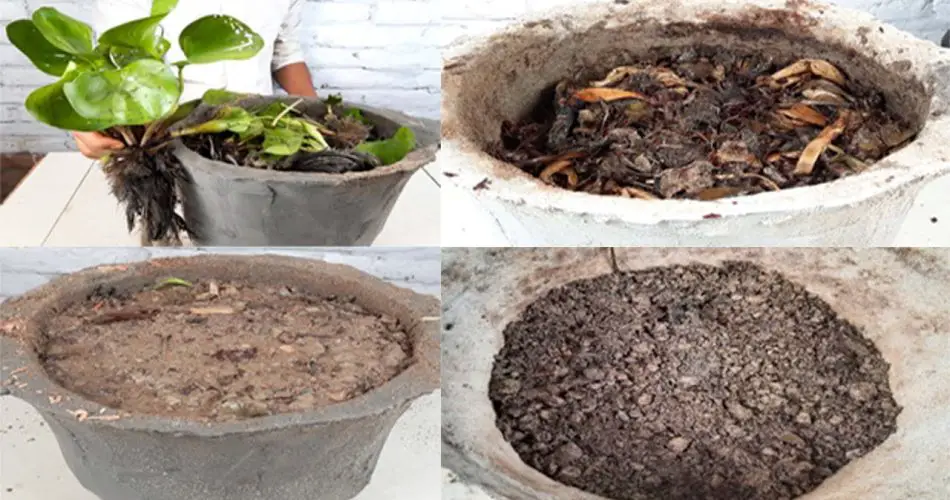
Begin by layering your chopped water hyacinth into the compost pile or bin. To create the best composting environment, alternate layers of green materials (water hyacinth) with brown materials (such as dry leaves, straw, or newspaper). Green materials are rich in nitrogen, while brown materials add carbon to the compost. A balanced mix of green and brown materials ensures optimal composting.
3. Aerate the Pile
To encourage decomposition, it’s important to aerate the compost pile regularly. Turn the pile every few weeks with a garden fork or compost tumbler to ensure that oxygen reaches all parts of the pile. This helps to break down the materials and speed up the composting process.
4. Maintain Moisture
Keep the compost pile moist, but not too wet. If it starts to dry out, sprinkle some water on the pile to maintain the right moisture level. If the pile becomes too wet, add more brown materials to balance the moisture content.
5. Wait for Decomposition
Composting water hyacinth may take anywhere from 4 to 6 months depending on the temperature, moisture, and how often you turn the pile. You’ll know the compost is ready when it is dark, crumbly, and has a pleasant earthy smell. The water hyacinth will have broken down into rich, dark compost that you can use to improve your garden’s soil.
Benefits of Water Hyacinth Compost
Composting water hyacinth offers several benefits for both your garden and the environment:
- Improved Soil Fertility: Water hyacinth compost is rich in nutrients such as nitrogen, phosphorus, and potassium, which are essential for plant growth. It helps to enhance soil structure and water retention, making it ideal for garden beds.
- Sustainable Gardening: By composting water hyacinths, you are recycling an invasive plant that might otherwise harm local ecosystems. This sustainable practice helps reduce waste while benefiting your garden.
- Organic Matter for Plants: The compost can be used to enrich soil, improve plant health, and stimulate healthy root growth. It’s a natural, chemical-free way to boost your garden’s productivity.
Final Thoughts
Making water hyacinth compost at home is an excellent way to recycle an invasive plant into a valuable resource for your garden. By following the steps outlined in this article, you can create nutrient-rich compost that will benefit your plants and the environment. This sustainable gardening practice not only helps to improve your soil but also contributes to the control of water hyacinth growth in your local water bodies. So why not give it a try and make the most out of this eco-friendly solution today?