Creating your own NPK fertilizer at home is an excellent way to nourish your plants while saving money. NPK fertilizers are essential for healthy plant growth, as they provide the three key nutrients: Nitrogen (N), Phosphorus (P), and Potassium (K). These nutrients are vital for promoting leaf growth, root development, and overall plant health. If you’re looking for a cost-effective and natural way to feed your plants, making a homemade NPK fertilizer could be the perfect solution.
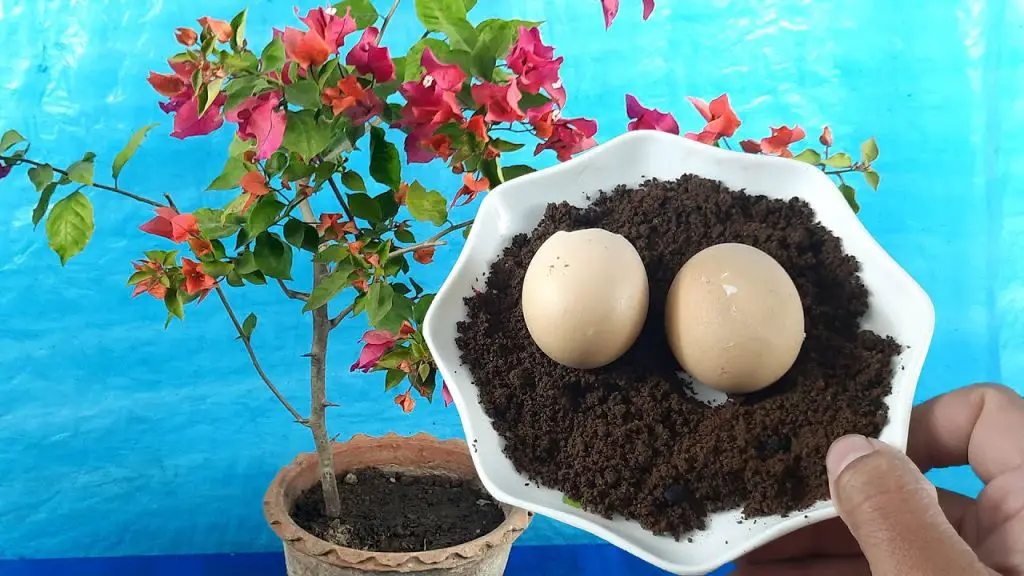
What Is NPK Fertilizer?
NPK fertilizer refers to a mix of three essential nutrients:
- Nitrogen (N) – Promotes leaf and stem growth.
- Phosphorus (P) – Encourages root development and flowering.
- Potassium (K) – Helps with disease resistance, fruit development, and overall plant health.
Each of these nutrients plays a crucial role in the growth and development of plants. By creating a balanced NPK mix, you ensure your plants get the right nutrients at the right time for optimal growth.
Why Make Homemade NPK Fertilizer?
- Cost-effective – Homemade fertilizers are often much cheaper than store-bought options.
- Environmentally friendly – You can use natural ingredients that are less harmful to the environment.
- Customization – You can tailor the ratio of NPK nutrients based on the needs of your specific plants, whether they are flowering plants, vegetables, or fruit-bearing trees.
- Easy to make – Creating your own fertilizer requires only a few basic ingredients that are easy to find.
How to Make Homemade NPK Fertilizer
To create your own homemade NPK fertilizer, you’ll need to gather some basic ingredients. Here’s a simple breakdown of how to make each nutrient component:
1. Nitrogen (N) – For Healthy Leaves and Stems
Ingredients for Nitrogen:
- Compost: Rich in nitrogen, compost is an excellent source of nutrients that promote healthy foliage growth.
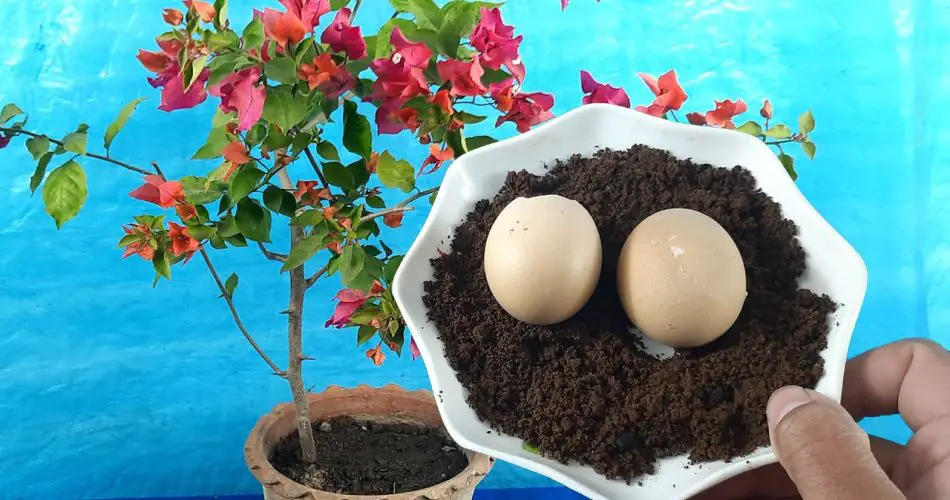
- Coffee Grounds: Used coffee grounds are another great nitrogen-rich option.
- Blood Meal: This is a potent, fast-release source of nitrogen for plants.
- Fish Meal: A slow-release option that provides essential nitrogen for plant health.
How to Use:
Mix one or more of these nitrogen sources into your homemade fertilizer. A good starting point is about 1 part nitrogen source for every 3 parts of your mix.
2. Phosphorus (P) – For Strong Roots and Flowers
Ingredients for Phosphorus:
- Bone Meal: Bone meal is a rich source of phosphorus that supports root development and promotes strong blooms.
- Rock Phosphate: This is another natural source of phosphorus, which is great for long-term soil improvement.
- Fish Bone Meal: This is a slow-release source of both phosphorus and other essential micronutrients.
How to Use:
Mix about 1 part bone meal or rock phosphate into your fertilizer. This will help ensure strong root systems and boost flowering plants.
3. Potassium (K) – For Plant Health and Fruit Production
Ingredients for Potassium:
- Wood Ashes: Wood ashes from your fireplace or wood stove are an excellent natural source of potassium.
- Banana Peels: High in potassium, banana peels can be dried and added to your fertilizer mix.
- Kelp Meal: Seaweed and kelp meal provide potassium, as well as a variety of other beneficial minerals.
- Greensand: A mineral-rich soil additive that contains potassium and trace minerals.
How to Use:
For potassium, mix 1 part wood ashes or banana peel powder with your fertilizer mixture. This will help with disease resistance, flowering, and fruit production.
How to Mix the Homemade NPK Fertilizer
Once you’ve gathered all the ingredients, it’s time to mix them to create your own balanced NPK fertilizer. Here’s a simple guide to creating the right proportions:
- 1 part nitrogen source (e.g., compost, blood meal, or coffee grounds)
- 1 part phosphorus source (e.g., bone meal or fish bone meal)
- 1 part potassium source (e.g., wood ashes or kelp meal)
Application Tips for Homemade NPK Fertilizer
- For Indoor Plants: Apply the homemade NPK fertilizer sparingly. You can add it to the topsoil or mix it with water to create a liquid fertilizer. Be careful not to over-fertilize, as this can harm your plants.
- For Garden Plants: Sprinkle the fertilizer around the base of your plants or mix it into the soil before planting. For vegetables and flowering plants, consider applying the fertilizer once a month during the growing season.
- For Long-term Use: If you want to use your fertilizer for the long term, store it in a cool, dry place in an airtight container to prevent moisture buildup.
Benefits of Homemade NPK Fertilizer
- Boosts plant growth by providing the essential nutrients needed for vibrant leaves, strong roots, and abundant flowers.
- Improves soil health by adding organic matter and promoting beneficial microorganisms.
- Supports sustainable gardening by reducing the need for chemical fertilizers.
Conclusion
Creating your own homemade NPK fertilizer is an excellent way to provide your plants with the vital nutrients they need for healthy growth. By using natural ingredients like compost, bone meal, and wood ashes, you can make a customized fertilizer that suits the needs of your plants. Whether you’re growing vegetables, flowers, or houseplants, making your own fertilizer can help you achieve vibrant, healthy plants while being environmentally conscious and budget-friendly. 🌿💚