Bougainvillea is a vibrant and beautiful flowering plant known for its colorful bracts that can light up any garden or landscape. But did you know that you can create a multicolored bougainvillea by using the technique of grafting? This method allows you to combine multiple varieties of bougainvillea on a single plant, resulting in a stunning display of colors from a single vine. In this guide, we will explain how to make a multicolour bougainvillea by performing multiple grafts on bougainvillea, a fun and rewarding gardening technique.
What is Grafting?
Grafting is a horticultural technique where parts of two plants are joined together so that they grow as one. The part that forms the roots is called the rootstock, and the top part with the desired flowers is the scion. In the case of bougainvillea, you can graft different varieties of bougainvillea onto a single plant, allowing it to produce a mix of colors on the same vine.
Why Grow Multicolour Bougainvillea?
Creating a multicolour bougainvillea is an exciting way to enhance your garden. Here’s why you should consider grafting multiple bougainvillea varieties:
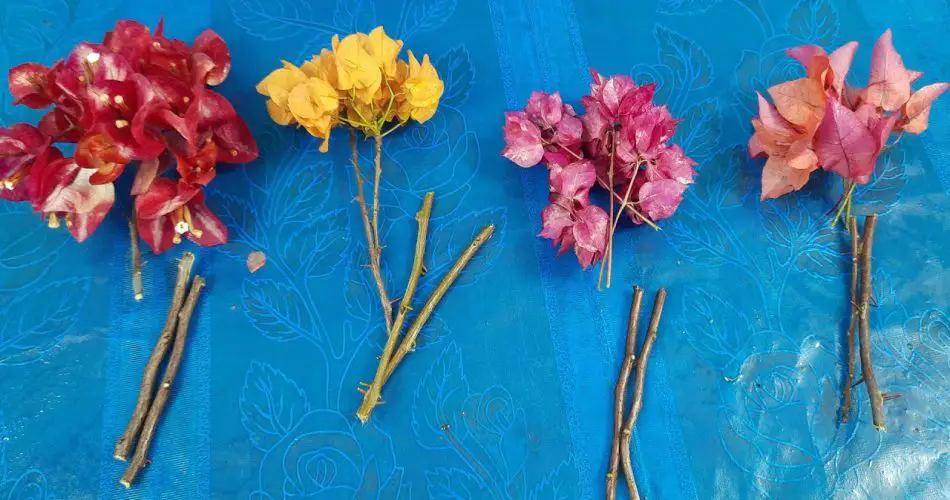
- Diverse blooms: Enjoy a variety of vibrant colors like pink, purple, orange, and red all from the same plant.
- Space-saving: Instead of growing multiple bougainvillea plants, you can combine several colors into one.
- Aesthetic appeal: A multicolored bougainvillea adds an exotic, beautiful look to any garden or patio, making it a standout feature.
Materials Needed for Grafting Bougainvillea
Before you start, gather these materials for grafting bougainvillea:
- Healthy bougainvillea rootstock: A strong and disease-free bougainvillea plant to serve as the base.
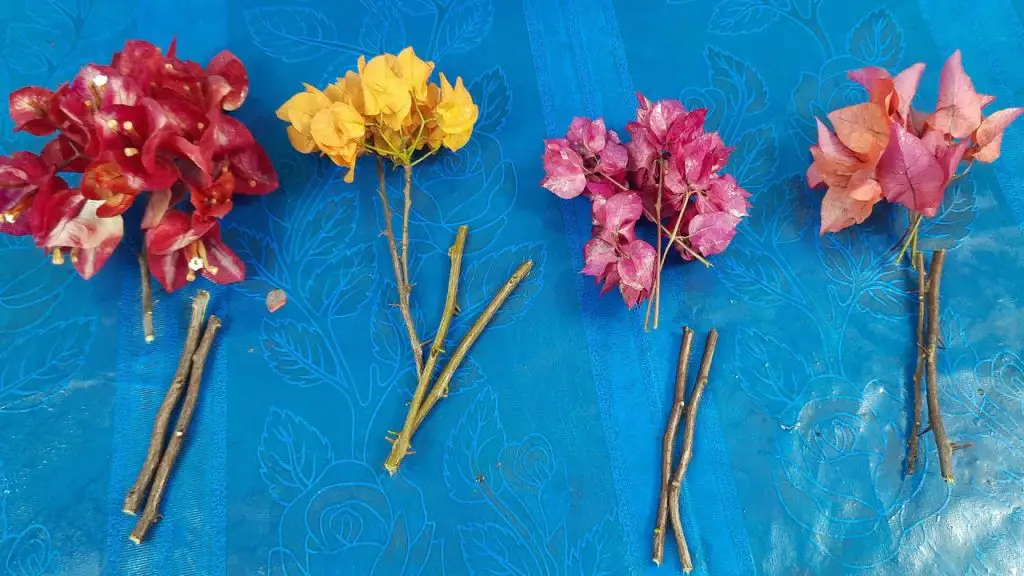
- Scions (cuttings) from different bougainvillea varieties: Choose branches from varieties with the colors you want to combine (e.g., pink, orange, purple, red).
- Sharp knife or grafting tool: A clean, sharp knife to make precise cuts.
- Grafting tape or parafilm: To bind the grafts and ensure they stay together.
- Grafting compound: To seal the graft and prevent infection.
- Pruning shears: For cutting excess growth from the rootstock.
- A clean cloth: To wipe tools and keep them sterile.
Steps to Create Multicolour Bougainvillea with Multiple Grafts
1. Choose the Right Rootstock
Start by selecting a healthy bougainvillea rootstock. This plant will serve as the foundation for your multicolored bougainvillea. Choose a rootstock that has strong, established roots and healthy foliage. It should be at least one year old for the grafting process to succeed.
2. Prepare the Scions
The scions are the branches of the different bougainvillea varieties that you want to graft onto the rootstock. Choose healthy, semi-woody cuttings that are about 4-6 inches long. Make sure the cuttings have a few leaves and a healthy stem. Use a sharp knife or pruning shears to cut the scions just below a node (where the leaves meet the stem).
3. Make the Graft Cuts
To graft the scion onto the rootstock, you need to make clean, precise cuts. There are different types of grafting methods, but the most common for bougainvillea is the cleft graft:
- Make a vertical cut down the middle of the rootstock stem.
- Create a wedge-shaped cut at the base of the scion.
- Insert the scion into the slit on the rootstock so that the cambium layers (the green tissue) of both parts align.
This alignment is crucial for successful grafting.
4. Secure the Graft
After you have inserted the scion into the rootstock, use grafting tape or parafilm to bind the graft tightly together. This will hold the scion and rootstock in place while they heal and fuse. Make sure the tape is snug but not too tight to restrict the growth of the plant.
5. Seal the Graft
Apply a grafting compound or wound sealant to the exposed areas of the graft. This helps protect the graft from infection and keeps the area hydrated.
6. Maintain the Graft
After grafting, place the bougainvillea in a shaded, warm location where it will receive indirect sunlight. Keep the grafted plant in a humid environment, as this will encourage the union of the scion and rootstock. You can use a plastic bag or dome to maintain humidity around the graft.
7. Monitor and Care for the Graft
It typically takes 2 to 3 weeks for the graft to heal and take hold. During this time, check the graft daily to ensure it is healing properly. Keep the plant watered, but avoid over-watering. After a few weeks, the scions should begin to grow and show signs of new foliage.
8. Prune and Encourage Growth
Once the graft has successfully healed, you can start pruning the plant to encourage healthy growth. Remove any unwanted shoots that might compete with the scions, allowing the grafts to flourish and grow. You can also remove the grafting tape once the grafts have taken well.
Tips for Success
- Use clean, sterilized tools to avoid introducing disease.
- Choose healthy, disease-free varieties for both the rootstock and scions.
- Graft in the spring or early summer, when bougainvillea is actively growing.
- Be patient, as it can take time for the grafts to establish fully.
- Water regularly, but ensure proper drainage to prevent root rot.
Conclusion
Creating a multicolour bougainvillea through multiple grafts is a fascinating and rewarding process. With the right technique, you can have a single bougainvillea vine with multiple colors, making your garden more beautiful and vibrant. This method not only saves space but also offers a unique aesthetic appeal. By following these grafting steps and caring for your plant, you’ll soon enjoy a bougainvillea with brilliant, multicolored blooms all year round! 🌺🌿