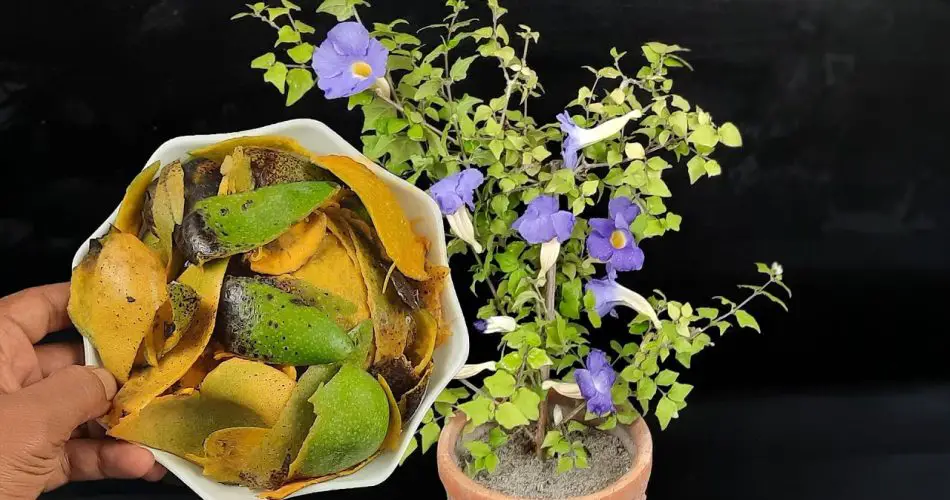
Mangoes are not only delicious, but they also offer a hidden treasure for your garden: mango peels. Instead of discarding them, you can turn mango peels into a nutritious fertilizer that provides valuable nutrients for your plants. This natural fertilizer is packed with essential minerals, vitamins, and organic matter that can boost plant growth and improve soil quality.
In this article, we’ll show you how to make mango peel fertilizer and how it can help your plants thrive.
Why Use Mango Peels for Fertilizer?
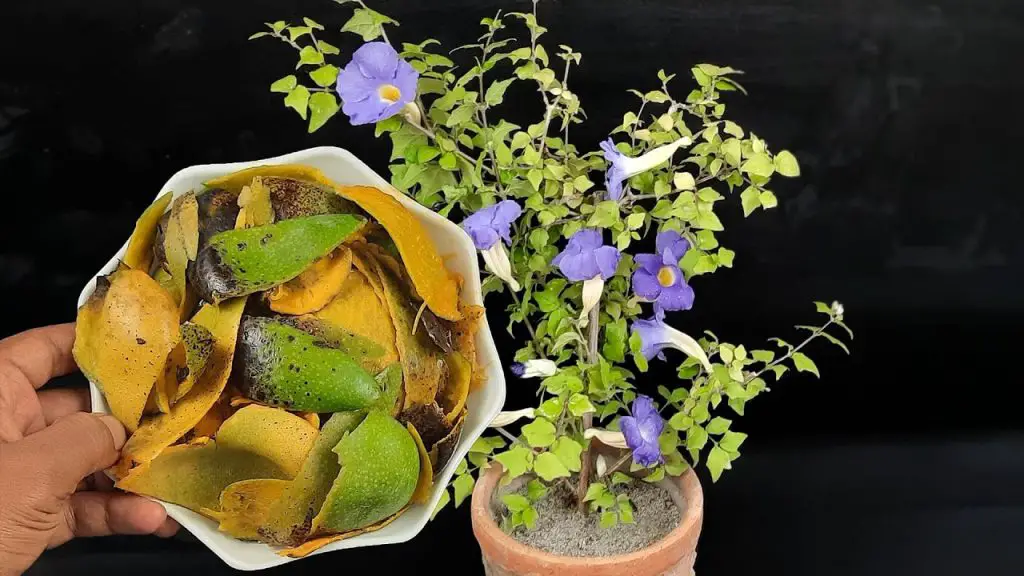
Mango peels are an often-overlooked resource that can benefit your garden in multiple ways. They contain potassium, calcium, magnesium, and phosphorus, all of which are essential for healthy plant growth. These nutrients promote strong roots, vigorous flowering, and bountiful fruit production.
Moreover, mango peels are rich in antioxidants and organic compounds that can help improve soil structure by increasing its ability to retain moisture and nutrients. By recycling mango peels, you are not only benefiting your plants but also reducing waste in a sustainable way.
How to Make Mango Peel Fertilizer
What You’ll Need:
- Mango peels (from 1-2 mangoes)
- Water
- A container (like a jar or bucket)
- A strainer or cheesecloth (optional)
- A spray bottle or watering can
Step-by-Step Guide:
Step 1: Collect the Mango Peels
Start by collecting the mango peels from the fruit you’ve eaten. You can either use fresh peels or even dried peels, depending on what you have available. Fresh mango peels will decompose more quickly, but dried peels can be stored for later use.
Step 2: Chop the Peels
Chop the mango peels into small pieces to speed up the decomposition process. The smaller the pieces, the faster they’ll break down and release nutrients into the soil.
Step 3: Soak the Peels
Place the chopped mango peels into a container (a jar or bucket works well). Add enough water to completely cover the peels. This will help extract the nutrients from the peels and create a nutrient-rich liquid fertilizer.
Let the mixture soak for 3-5 days. During this time, the peels will decompose and release essential minerals into the water. You may notice that the liquid starts to darken as the nutrients are released.
Step 4: Strain the Liquid (Optional)
After soaking, strain the liquid to remove the solid mango peel pieces. You can use a strainer or cheesecloth to separate the solid and liquid components. The liquid is your mango peel fertilizer, ready to use.
Step 5: Apply to Your Plants
Once your mango peel fertilizer is ready, it’s time to give it to your plants! You can apply the liquid directly to the soil around your plants, or you can use a spray bottle to mist the leaves of your plants.
Water your plants with the mango peel solution every 1-2 weeks to encourage healthy growth and improve soil fertility. Be sure not to overwater, as too much moisture can cause root rot.
Additional Tips for Using Mango Peel Fertilizer
- Composting Mango Peels: If you prefer not to make a liquid fertilizer, you can add chopped mango peels directly to your compost pile. They’ll break down over time and enrich the compost with valuable nutrients.
- Boost Your Soil: Mango peels can also be used as a soil amendment. Simply chop and bury the peels in the soil to improve its texture and nutrient content. This works especially well for plants that require well-drained and nutrient-rich soil.
- Banana Peels and Mango Peels: For an even stronger natural fertilizer, consider combining banana peels with mango peels. Both are packed with potassium, a vital nutrient for plants, especially those that produce flowers and fruit.
Benefits of Mango Peel Fertilizer
Using mango peel fertilizer offers numerous benefits for your plants and garden:
- Boosts growth: Mango peels are rich in nutrients that promote vigorous root development, healthy leaves, and abundant flowers.
- Improves soil quality: The organic matter in mango peels enhances the structure and fertility of the soil, making it easier for plants to absorb water and nutrients.
- Eco-friendly: Instead of throwing away mango peels, you’re recycling them and contributing to a more sustainable gardening practice.
- Cost-effective: Using mango peels as a fertilizer is a budget-friendly alternative to chemical fertilizers, which can be expensive and sometimes harmful to the environment.
Conclusion
Mango peel fertilizer is a simple, effective, and eco-friendly way to enhance the health and growth of your plants. By using the nutrients from mango peels, you can create a natural fertilizer that nourishes your garden and helps reduce waste. Give this method a try and watch your plants thrive with the power of mango peels!