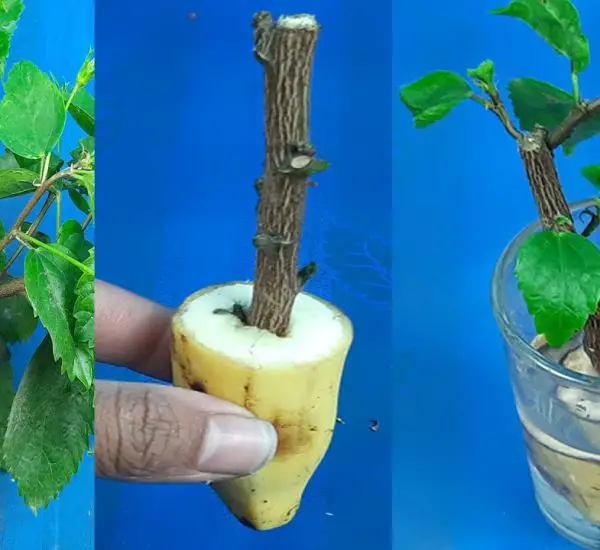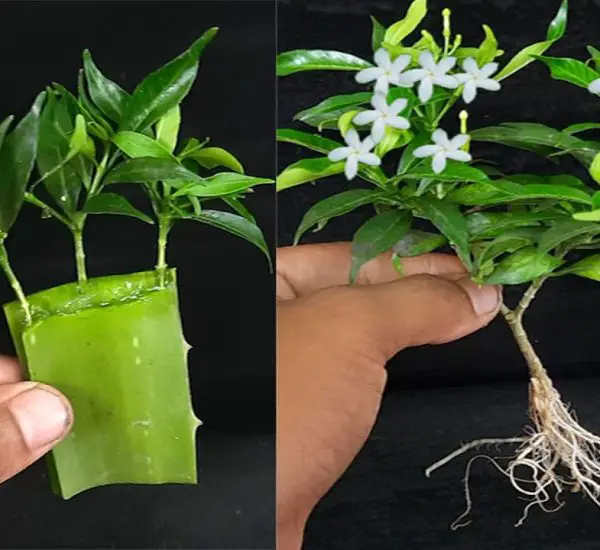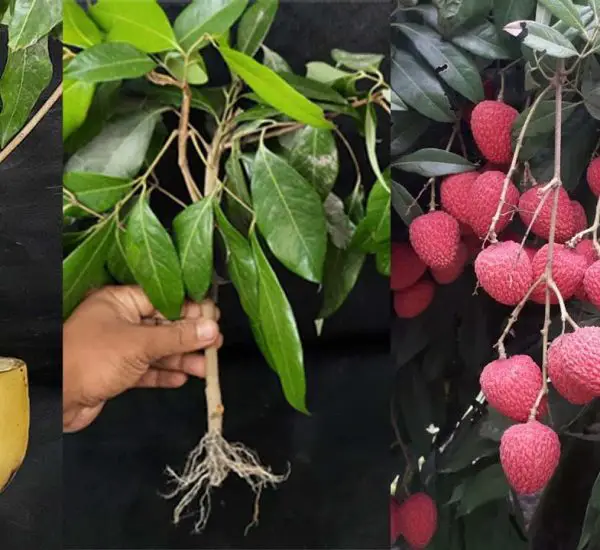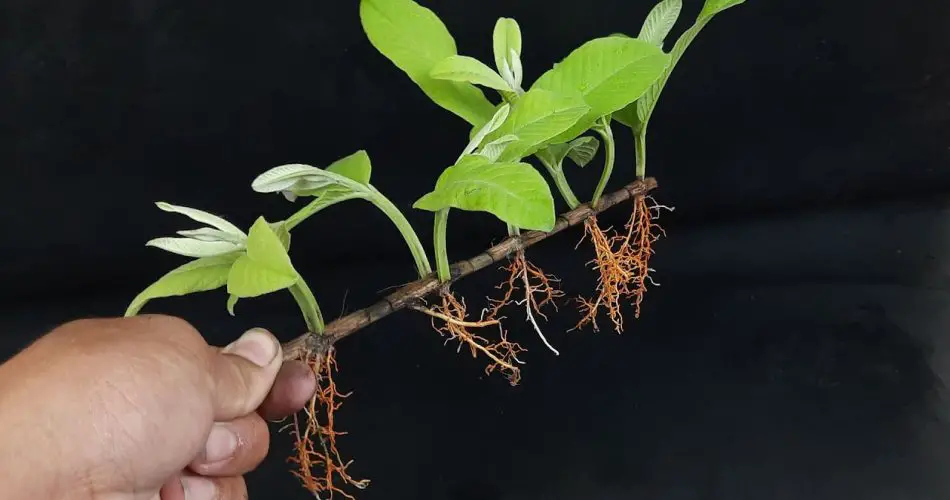
Growing a guava tree from cuttings is a highly effective and unique method to propagate this tropical fruit tree in your garden. Guava trees, known for their delicious fruits and fragrant blossoms, are relatively easy to grow, and using cuttings to grow them can accelerate the process compared to starting from seeds.
In this article, we will reveal the best techniques to grow a healthy guava tree from cuttings, ensuring that your tree thrives and produces an abundance of juicy guavas. Let’s explore these unique propagation methods.
Why Choose to Grow Guava from Cuttings?
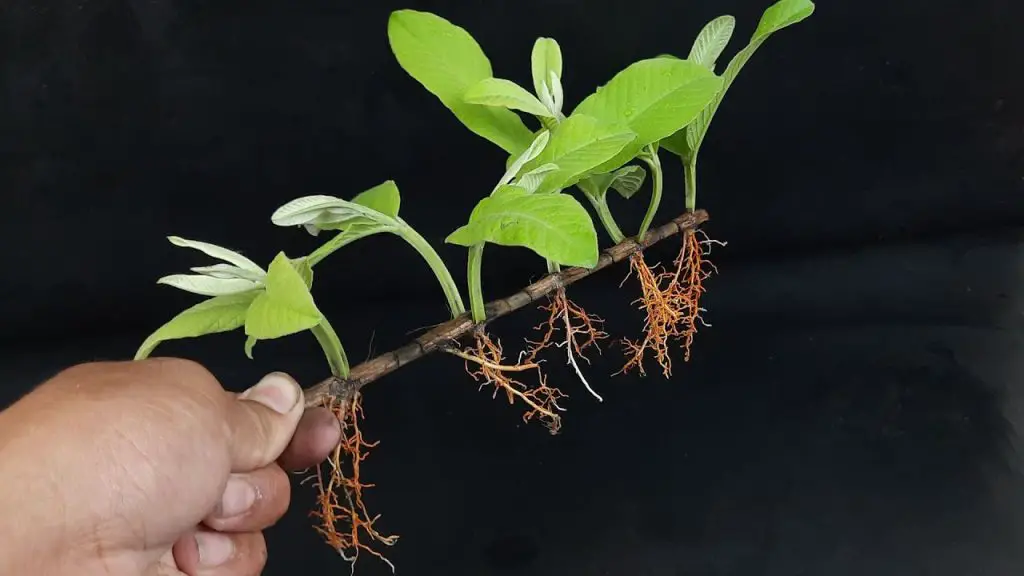
Guava trees can be propagated in several ways, but using cuttings offers distinct advantages. First, cuttings allow for genetically identical trees, meaning you get a tree with the same traits as the parent, such as fruit quality and disease resistance. Second, growing from cuttings is often faster than starting from seeds, giving you a head start in achieving a fruitful tree.
Step-by-Step Guide: Growing Guava Trees from Cuttings
What You’ll Need:
- A healthy guava tree (preferably a mature tree with good fruit production)
- Sharp pruning shears or a knife
- Rooting hormone (optional, but recommended for better results)
- Potting mix (light, well-draining)
- A container for planting (preferably a small pot or container with drainage holes)
- A plastic bag or a greenhouse setup (to create humidity)
Step 1: Selecting and Preparing the Cutting
Choose a healthy branch from the parent guava tree. The best cutting is typically a semi-hardwood or softwood branch that is not too young but also not too old. A cutting around 6 to 8 inches (15 to 20 cm) in length is ideal. Make sure the branch is free from disease or pests to ensure successful propagation.
Using your sharp pruning shears or knife, cut the branch at a 45-degree angle just below a node (where the leaves are attached). This increases the surface area and encourages faster rooting.
Step 2: Apply Rooting Hormone
To give your guava cutting the best chance of rooting, dip the cut end into rooting hormone. Rooting hormone contains growth hormones that stimulate root formation, making it more likely that your cutting will successfully take root and grow.
Step 3: Plant the Cutting
Prepare a container with a well-draining potting mix, such as a mixture of sand, perlite, and compost. The well-draining soil will help prevent the cutting from rotting. Insert the cut end of your guava cutting into the soil, burying it about 2-3 inches deep. Gently press the soil around the base of the cutting to ensure it is securely held in place.
Step 4: Create a Humid Environment
Guava cuttings require a humid environment to encourage root growth. You can create this by placing a clear plastic bag over the cutting or using a mini greenhouse setup. Make sure the bag does not touch the cutting, and keep it in a warm, sunny location with indirect sunlight.
Alternatively, you can place the container in a location with high humidity to mimic the tropical conditions that guavas love.
Step 5: Care and Patience
Keep the soil lightly moist but not waterlogged. Check the cutting regularly to ensure it is not drying out. If you’re using a plastic bag, remove it occasionally for ventilation to prevent fungal growth. After about 3-4 weeks, check for root growth by gently pulling on the cutting. If it resists, you can be confident that roots are forming.
Unique Techniques to Enhance Root Growth
1. Use of Honey as a Natural Rooting Agent
Instead of chemical rooting hormones, you can dip the cut end of your guava cutting in honey. Honey contains natural antibacterial properties and can promote root development. It’s an all-natural option for those who prefer eco-friendly methods.
2. Use of Water for Rooting
If you don’t have rooting hormone, you can propagate your guava cutting in water. Simply place the cutting in a glass of water, ensuring the cut end is submerged. Change the water every few days to keep it clean. Once roots have developed, transfer the cutting into soil.
3. Temperature Control for Faster Rooting
Guava cuttings root best in warm temperatures. If you’re in a cooler climate, you can use a seedling heat mat to maintain a consistent temperature around 70-80°F (21-27°C). This encourages faster root development and overall healthy growth.
Transplanting Your Guava Cutting
Once your guava cutting has developed strong roots (typically within 1-2 months), it’s time to transplant it into a larger pot or directly into the ground. Transplant the cutting carefully, making sure the roots are not disturbed too much. If you’re planting it in the ground, choose a sunny spot with well-drained soil.
Water the new plant regularly, but ensure the soil is not soggy. A guava tree thrives in warm and tropical conditions, so make sure it gets plenty of sunlight and good airflow.
Benefits of Growing Guava Trees from Cuttings
- Faster growth: Starting with a cutting allows you to bypass the slower growth process of seeds and quickly establish a healthy plant.
- Identical quality: Since the cutting is from a mature plant, you’ll get a guava tree that produces fruit with the same quality as the parent.
- Cost-effective: Growing from cuttings is an affordable and sustainable way to propagate guava trees without having to buy new plants.
Conclusion
Growing a guava tree from cuttings is an efficient and rewarding way to propagate this tropical fruit. By following these simple steps and using unique techniques such as using honey or water for rooting, you can quickly grow a healthy guava tree that will provide you with delicious fruit for years to come. Happy gardening!