Winter melon, also known as wax gourd or white gourd, is a versatile and nutritious fruit commonly used in Asian cuisine. Growing winter melon at home is an enjoyable and rewarding process that can yield a bountiful harvest. With a little patience, the right conditions, and some simple steps, you can grow winter melon from seeds and enjoy this unique fruit. Here’s a comprehensive guide on how to grow winter melon from seeds and take it all the way to harvest.

What is Winter Melon?
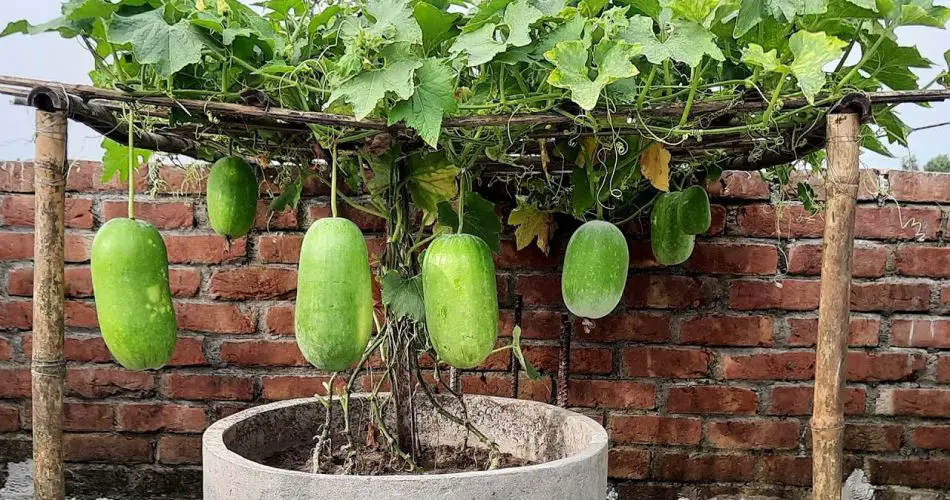
Winter melon (scientifically known as Benincasa hispida) is a large, greenish-white fruit with a waxy outer layer. It is often used in soups, stews, stir-fries, and desserts. The wax gourd can be harvested when it reaches maturity and can be stored for months without spoiling, making it perfect for year-round use.
Step-by-Step Guide to Growing Winter Melon from Seeds
1. Choose the Right Seeds
The first step in growing winter melon is to select high-quality seeds. Purchase seeds from a trusted supplier, or if you have access to a mature fruit, you can save your own seeds. Be sure to choose varieties that are suitable for your climate and growing conditions.
2. Prepare the Growing Area
Winter melon plants need plenty of space to grow, as they can spread and climb over several feet. Ideally, you should plant them in a large garden bed or a container with a trellis if you want to conserve space.
- Soil: Winter melons thrive in well-draining, fertile soil that is rich in organic matter. Prepare the soil by adding compost or well-rotted manure to improve its fertility.
- Sunlight: Choose a location that receives full sun for at least 6-8 hours a day. Winter melons are warm-weather plants and require plenty of sunlight to thrive.
3. Start Seeds Indoors (Optional)
In regions with a short growing season or colder climates, it is beneficial to start the seeds indoors before transplanting them outside. Here’s how:
- Plant Seeds in Pots: Use small pots or seed trays, filling them with a well-draining seed-starting mix.
- Planting Depth: Plant the seeds about 1 inch (2.5 cm) deep.
- Watering: Keep the soil moist, but not waterlogged. Water regularly to ensure the seeds germinate.
- Temperature: Winter melon seeds require a warm environment to germinate. Maintain a temperature of around 70-85°F (21-29°C) for optimal germination. You can place the pots on a heat mat to provide consistent warmth.
- Germination Time: The seeds will typically germinate in 7-14 days. Once the seedlings have developed strong roots and a few leaves, they can be transplanted outside.
4. Directly Sowing Seeds Outdoors
If the weather is warm enough, you can sow winter melon seeds directly into the garden. Make sure to wait until the danger of frost has passed and the soil has warmed up to at least 65°F (18°C).
- Spacing: Plant the seeds about 3 feet (1 meter) apart, as winter melons need plenty of space to spread out. If growing on a trellis, plant them 2 feet apart to allow vertical growth.
- Depth: Plant the seeds about 1 inch (2.5 cm) deep in the soil.
- Watering: Water the soil well after planting, and keep it consistently moist during the germination period.
5. Care for Your Winter Melon Plants
Once your winter melon plants begin to grow, it’s important to provide the proper care for optimal growth:
- Watering: Winter melons need regular watering, especially during hot weather. Ensure the soil stays consistently moist, but avoid waterlogging the roots. A drip irrigation system is ideal for providing consistent moisture.
- Fertilizing: Apply a balanced fertilizer every 4-6 weeks throughout the growing season to encourage healthy growth and fruit development.
- Support: If growing vertically on a trellis, gently train the vines to climb the structure. This helps to keep the fruit off the ground, reducing the risk of pests and diseases.
- Pruning: Prune the plants to remove any dead or damaged vines. You can also pinch back some of the stems to encourage lateral growth and more fruit production.
6. Pollination
Winter melon flowers are self-pollinating, but they also attract bees and other pollinators. Ensure that your garden has enough pollinator activity to improve the chances of successful pollination.
7. Harvesting Winter Melon
Winter melon takes about 3-5 months to reach maturity, depending on growing conditions and variety. You’ll know the fruit is ready for harvest when:
- Color: The melon has turned a pale green to white color and the outer skin has developed a waxy coating.
- Size: The fruit should have reached its full size, typically around 12-24 inches (30-60 cm) long.
- Sound: When tapped gently, the melon should produce a hollow sound, indicating that it is ripe.
Use a sharp knife or pruning shears to cut the fruit from the vine. Leave a small portion of the stem attached to prevent damage to the fruit.
8. Storing and Using Winter Melon
Once harvested, winter melon can be stored in a cool, dry place for up to 6 months. If you plan to use it soon, store it in the refrigerator for freshness. Winter melon can be used in a variety of dishes such as soups, stir-fries, and desserts, or even pickled for preservation.
Conclusion
Growing winter melon from seeds is an easy and rewarding experience that provides a unique fruit for your kitchen. Whether you’re an experienced gardener or a beginner, you can successfully grow this nutritious and versatile fruit at home. By following the steps above, from choosing quality seeds to harvesting your ripe wax gourd, you’ll be able to enjoy the fruits of your labor in no time. Happy gardening!