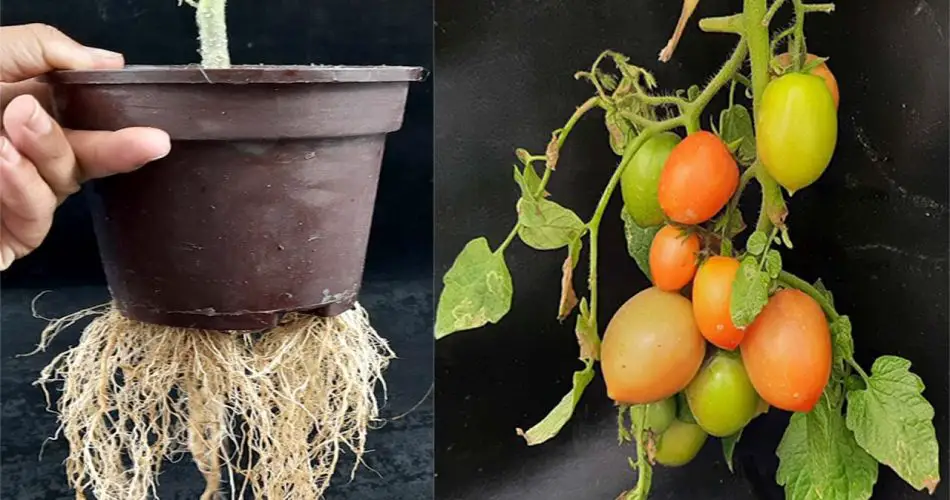
Growing tomatoes at home is an exciting way to enjoy fresh, organic produce year-round. While traditional gardening methods often rely on soil, it’s entirely possible to grow tomatoes without soil through hydroponic gardening. This method uses water and nutrients to nourish the plants, allowing them to thrive without needing soil. If you’re curious about how to grow tomatoes without soil, read on to discover a simple guide to hydroponic gardening that will help you grow healthy, delicious tomatoes in your own home.
What is Hydroponic Gardening?
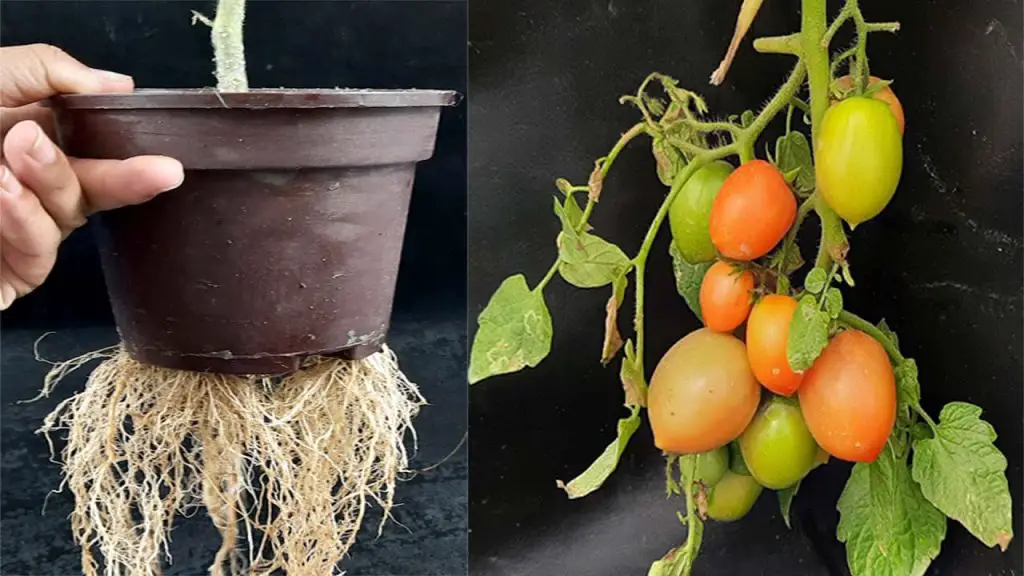
Hydroponic gardening is a method of growing plants using water-based solutions instead of soil. The plants receive all the nutrients they need directly from the water, which is enriched with essential minerals and vitamins. This technique is not only effective for growing tomatoes but can also be used for a variety of other plants like lettuce, herbs, and peppers.
Hydroponic gardening is perfect for urban gardeners or those with limited space because it doesn’t require large plots of land. It’s also an eco-friendly option, as it uses less water than traditional soil-based gardening, making it ideal for those looking to reduce water waste.
Benefits of Growing Tomatoes Without Soil
- Faster Growth: Plants grown hydroponically often grow faster than those planted in soil because they have direct access to the nutrients they need.
- More Control Over Nutrients: In hydroponics, you can easily adjust the nutrients the plants receive, leading to healthier, more productive tomatoes.
- Space-Efficient: Hydroponic systems can be set up vertically or in small containers, making them ideal for homes with limited space.
- Fewer Pests and Diseases: Without soil, you reduce the risk of soil-borne pests and diseases that can harm your tomatoes.
- Water Conservation: Hydroponic systems use water more efficiently, recycling it through the system and reducing overall water consumption.
Materials You Need to Grow Tomatoes Without Soil
Before you get started, gather the following materials:
- Hydroponic container or system: There are various hydroponic systems available, such as deep water culture (DWC), aeroponics, and NFT (Nutrient Film Technique). Choose one that suits your space and budget.
- Tomato seedlings or seeds: You can start with seedlings from a nursery or use seeds if you’re starting from scratch.
- Hydroponic nutrient solution: A balanced mix of nutrients designed specifically for hydroponic gardening.
- pH meter: This will help you monitor the pH level of the water to ensure it’s within the ideal range for tomato growth (usually around 5.5-6.5).
- Grow lights: If you’re growing tomatoes indoors, you’ll need artificial lighting to mimic sunlight. LED grow lights are a popular option.
- Water pump (for certain systems): If you’re using a hydroponic system that requires water circulation, a small water pump is necessary to keep the solution flowing.
Step-by-Step Guide to Growing Tomatoes Without Soil
Step 1: Set Up Your Hydroponic System
- Choose your hydroponic system: For beginners, deep water culture (DWC) is an easy and effective choice. In this system, tomato plants are suspended in a nutrient-rich water solution, and the roots are submerged in the water.
- Prepare the container: You can use a plastic container or tub to hold the nutrient solution. Make sure it’s large enough to accommodate the tomato plants and allow the roots to spread out.
- Install the pump (if needed): Some hydroponic systems require a pump to circulate the water. Make sure the pump is appropriate for the size of your container.
Step 2: Plant Your Tomatoes
- Start with seedlings: While you can start tomatoes from seeds, it’s easier for beginners to use tomato seedlings. Place the seedlings in net pots or grow plugs that will hold them in place and allow the roots to grow through.
- Place the seedlings in the hydroponic system: Once the seedlings are ready, place the net pots into the container, ensuring the roots are in contact with the nutrient solution. The seedlings should be kept above the water level but close enough for their roots to absorb the nutrients.
Step 3: Prepare the Nutrient Solution
- Mix the nutrients: Follow the instructions on the hydroponic nutrient solution package to mix the correct amount of nutrients into the water. Use the pH meter to check the pH level of the solution and adjust it if necessary.
- Monitor the water level: Keep an eye on the water level in the container, topping it up as needed. The roots should always be submerged in the nutrient solution.
Step 4: Provide Adequate Light
Tomatoes need plenty of sunlight to grow, so place your hydroponic setup near a sunny window, or if growing indoors, use LED grow lights to simulate natural sunlight. Tomatoes typically need around 8-10 hours of light per day for optimal growth.
Step 5: Maintain the System
- Water and nutrient management: Keep the water clean and top up the nutrient solution regularly. As the plants grow, they may require more nutrients.
- Monitor growth and health: Watch for signs of nutrient deficiencies or pests. If the leaves are yellowing or the plants appear weak, it could be a sign that they need more nutrients or attention.
- Prune and support the plants: As your tomato plants grow, they will need support to keep the stems upright. Use stakes or cages to help them grow tall. Pruning the plants by removing suckers (small side shoots) will help direct energy into producing fruit.
Step 6: Harvesting Your Tomatoes
After a few months of care, your tomato plants will start to produce fruit. Depending on the variety, tomatoes will take around 60-85 days to mature. When the tomatoes turn red (or their mature color, depending on the variety), it’s time to harvest.
Use a sharp knife or scissors to gently cut the tomatoes off the vine, and enjoy your fresh, homegrown tomatoes!
Conclusion
Growing tomatoes without soil is a fantastic way to cultivate fresh, organic produce in the comfort of your own home. Using a hydroponic system, you can efficiently grow tomatoes with minimal space and water usage. By following these simple steps and providing your plants with the right care, you can enjoy a bountiful harvest of delicious tomatoes all year round. Whether you’re a beginner or an experienced gardener, hydroponics offers a rewarding way to grow healthy plants in a modern and sustainable way. Happy gardening!