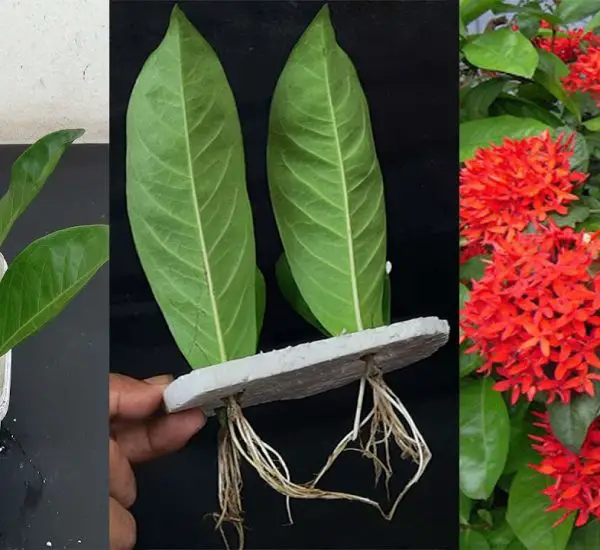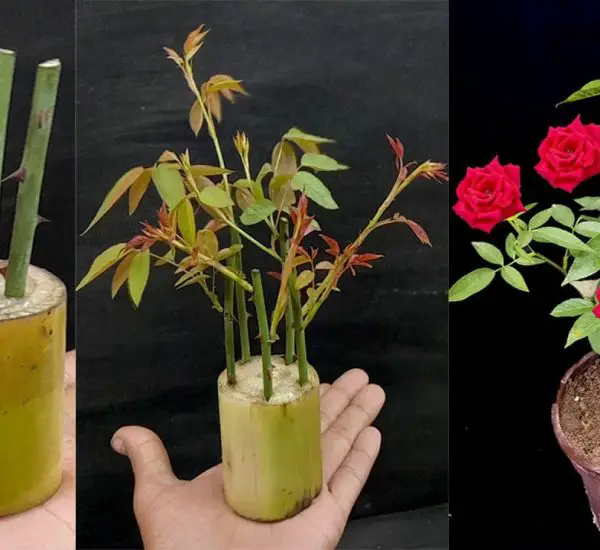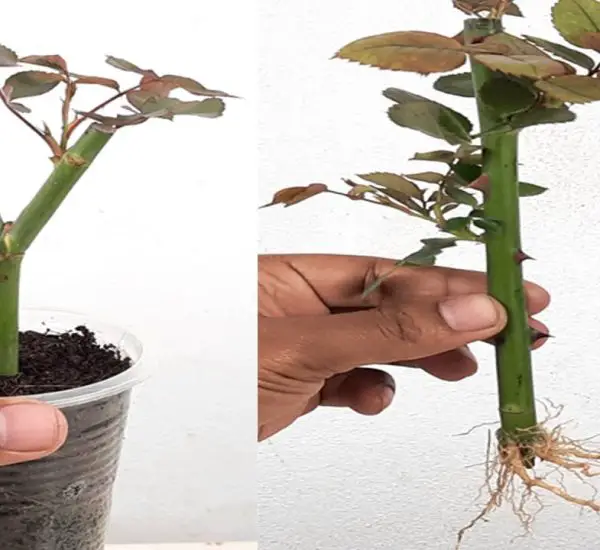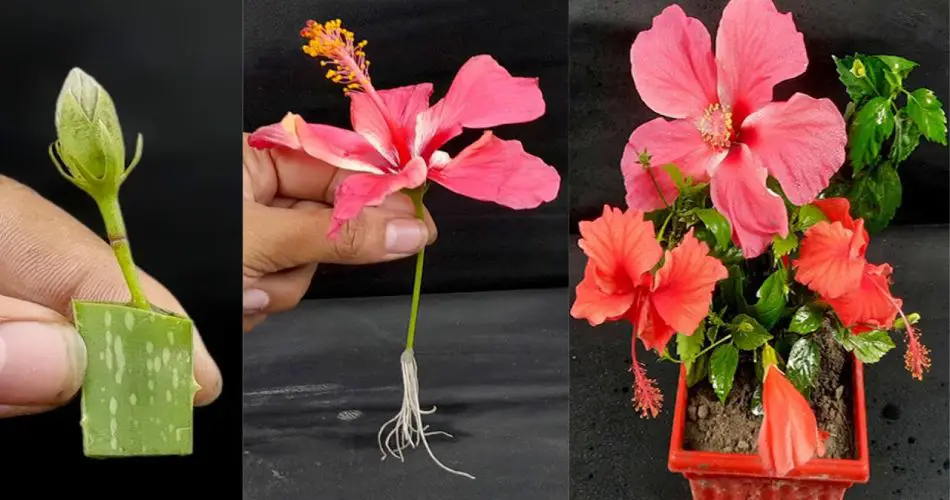
Growing a beautiful Hibiscus plant at home can be a rewarding experience, and it’s easier than you might think! By using cuttings, you can propagate your Hibiscus plant and enjoy vibrant flowers without the need for complex techniques. In this article, we’ll walk you through the simple steps to grow a Hibiscus plant from cuttings and how to ensure it produces abundant blooms.
Why Choose Hibiscus for Your Garden?
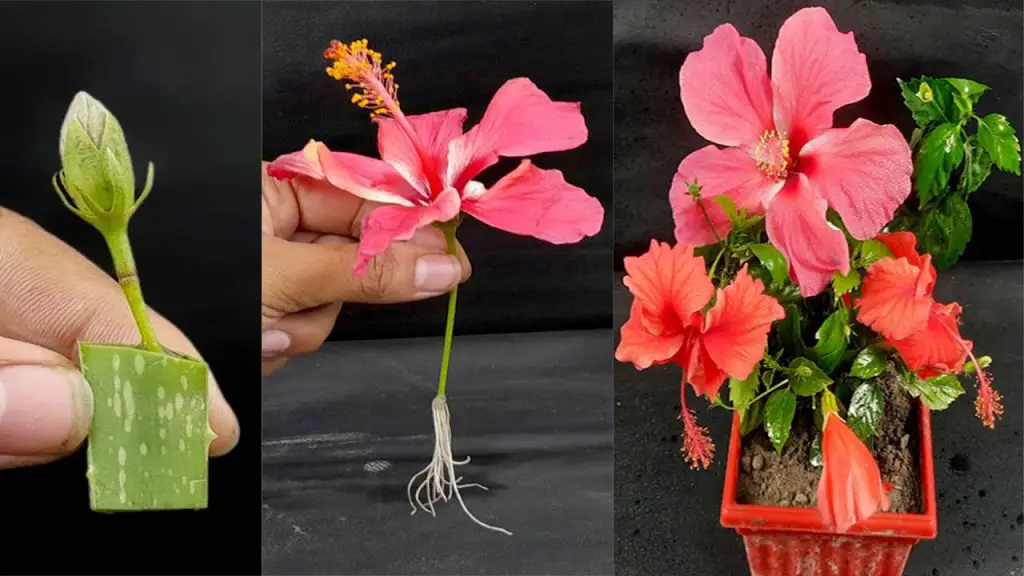
Hibiscus flowers are not only known for their vibrant, tropical colors but also for their ability to thrive in a variety of climates. Whether you’re looking to add a touch of tropical beauty to your garden or grow Hibiscus indoors, this plant is perfect for both purposes. By propagating through cuttings, you can easily multiply your plants and get more stunning flowers for your space.
What You’ll Need to Grow Hibiscus from Cuttings
Before you get started, make sure you have the following supplies:
- Healthy Hibiscus cutting (6-8 inches long)
- Sharp pruning shears or scissors
- Rooting hormone (optional, but helpful)
- Well-draining potting soil
- A small pot or container
- Plastic bag or plastic wrap (for humidity)
- Water
Steps to Grow Hibiscus from Cuttings
Follow these easy steps to propagate your Hibiscus plant and enjoy beautiful blooms:
Step 1: Choose the Right Cutting
- Select a healthy stem from your Hibiscus plant. The cutting should be about 6-8 inches long and should not have any flowers or buds.
- Make sure to choose a stem that is not too young or too old. Look for a semi-hardwood cutting, which is mature but not yet woody.
Step 2: Prepare the Cutting
- Using sharp scissors or pruning shears, cut the stem just below a leaf node (where the leaves join the stem).
- Remove the lower leaves from the cutting to expose the stem. Leave just a couple of leaves at the top.
- Optionally, dip the cut end of the stem in rooting hormone. This can help promote faster root growth and increase your chances of success.
Step 3: Plant the Cutting
- Fill a small pot with well-draining potting soil. You can mix in some perlite or sand to improve drainage if needed.
- Make a small hole in the soil and gently insert the cut end of the Hibiscus cutting about 2-3 inches deep.
- Firm the soil around the cutting to ensure it stays upright.
Step 4: Create a Humid Environment
- To encourage root development, it’s important to keep the cutting moist and in a humid environment. Cover the cutting with a plastic bag or plastic wrap to trap moisture.
- Ensure the plastic doesn’t touch the cutting directly by using small stakes or sticks to hold it up.
- Place the pot in a warm, bright location with indirect sunlight. Avoid placing it in direct sunlight, as it can dry out the cutting.
Step 5: Water and Maintain Humidity
- Check the soil regularly to make sure it stays moist, but not soaking wet. Overwatering can lead to rot, so ensure there’s good drainage in the pot.
- Mist the cutting occasionally to maintain humidity, especially if the air in your home is dry.
Step 6: Wait for Roots to Develop
- In about 2-4 weeks, you should begin to notice roots forming. Gently tug on the cutting to check for resistance, which indicates that roots are present.
- Once the cutting has developed strong roots, you can remove the plastic covering and begin treating the new plant as a mature Hibiscus.
Step 7: Transplant the Rooted Cutting
- When the cutting has developed a healthy root system, you can transplant it into a larger pot with fresh potting soil.
- Continue to care for the plant by providing plenty of sunlight, regular watering, and occasional fertilizing.
Tips for Growing Hibiscus Successfully
- Choose the right time: The best time to propagate Hibiscus is during the spring or early summer when the plant is actively growing.
- Temperature: Hibiscus plants thrive in warm temperatures between 60°F to 85°F (15°C to 30°C). Ensure that the cutting remains in a warm environment to promote root growth.
- Fertilizing: Once the cutting has rooted and is growing, you can fertilize it with a balanced fertilizer every 4-6 weeks to encourage blooming.
- Pruning: Once your Hibiscus plant matures, prune it regularly to encourage bushy growth and more blooms.
Conclusion
Growing Hibiscus flowers from cuttings is an easy and rewarding process. With just a little time and care, you can propagate your plant and enjoy vibrant, tropical blooms in your home or garden. By following the simple steps outlined above, you’ll be able to grow healthy Hibiscus plants that will bloom beautifully all season long. 🌺
Happy gardening!