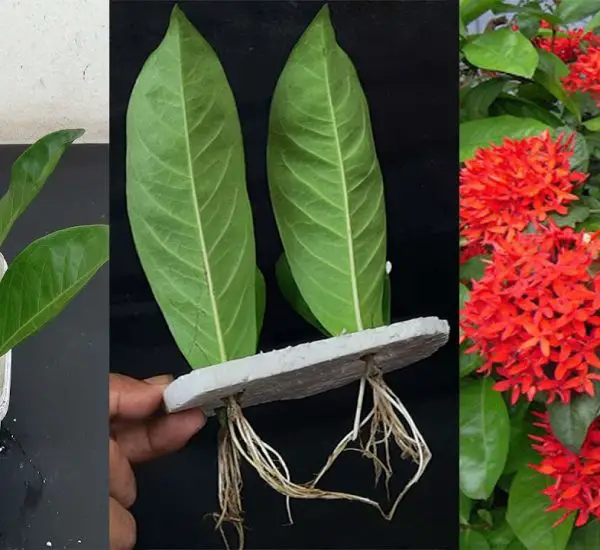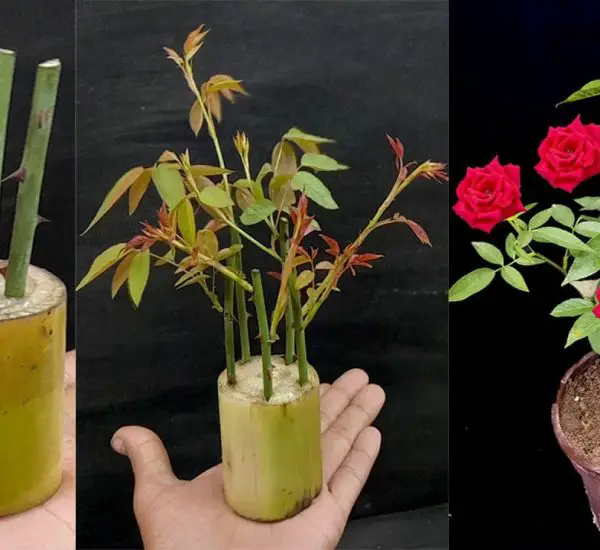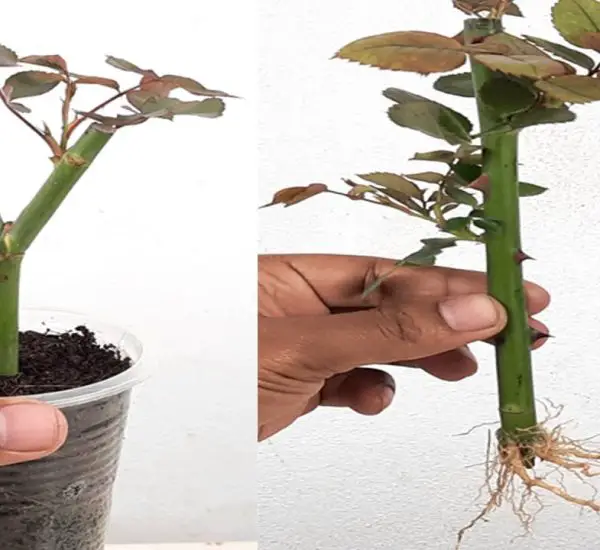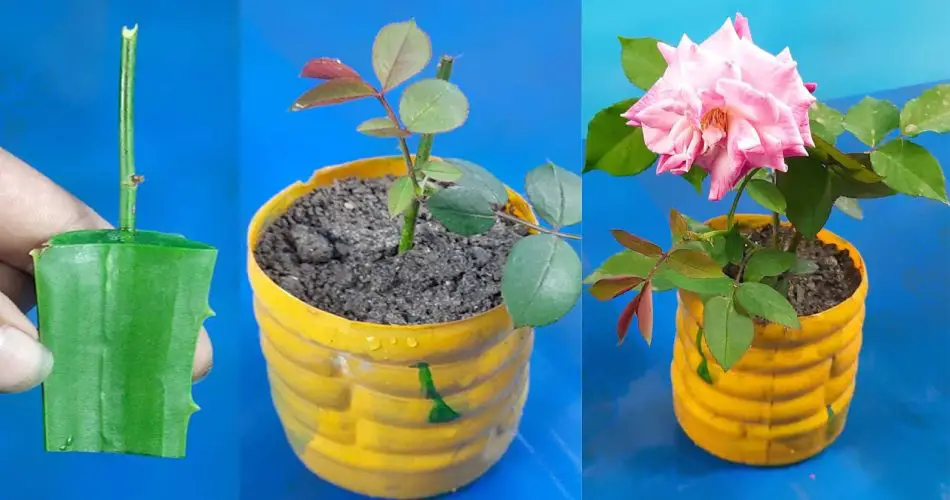
Growing roses from cuttings is a simple and rewarding process, but did you know that you can boost your chances of success by using Aloe vera? This versatile plant is not only great for skin care but also works wonders as a rooting agent when propagating rose cuttings. In this article, we’ll guide you through the steps to successfully grow a rose plant from a cutting using Aloe vera.
Why Use Aloe Vera for Rose Cuttings?
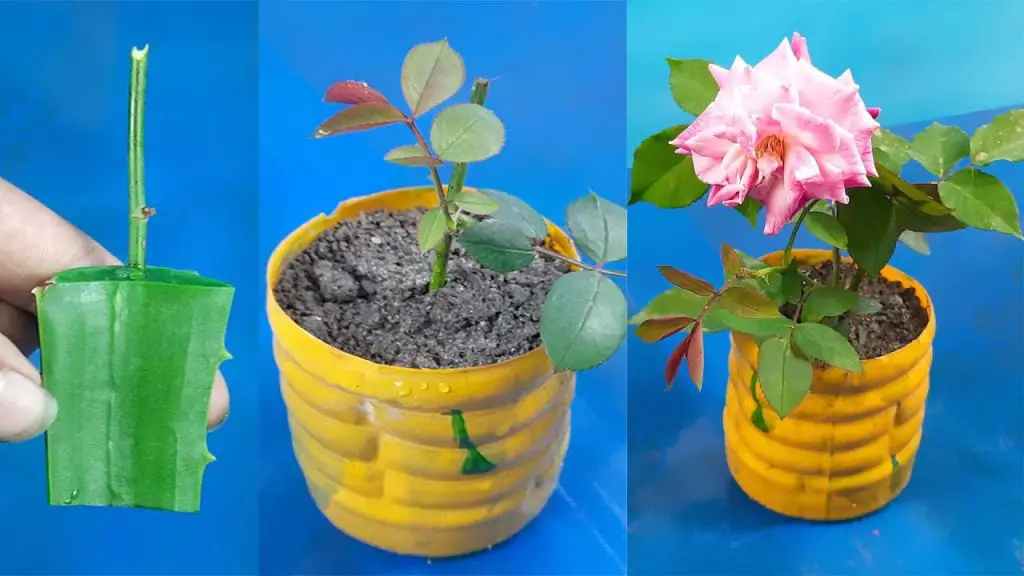
Aloe vera contains natural growth hormones and enzymes that can promote root development and protect the cutting from diseases. It acts as an antiseptic, preventing infection, and provides a moisture-retentive environment that is perfect for stimulating root growth. Using Aloe vera ensures that your rose cuttings have the best possible start.
Steps to Grow a Rose Plant from Cuttings Using Aloe Vera
Follow these simple steps to propagate a rose cutting using Aloe vera:
Step 1: Select a Healthy Rose Cutting
- Choose a healthy, non-flowering stem from the rose plant. The cutting should be about 6-8 inches long and should have at least 2-3 leaf nodes (the points on the stem where leaves emerge).
- Ensure that the stem is disease-free and not too old or too young for rooting.
Step 2: Prepare the Cutting
- Trim the cutting just below a leaf node using clean, sharp scissors or pruning shears. Remove any leaves that will be submerged in water or soil to prevent rotting.
- Make a diagonal cut at the base of the stem to increase the surface area for rooting.
Step 3: Apply Aloe Vera Gel
- Cut open an Aloe vera leaf and extract the fresh gel from the center. You can also use Aloe vera gel from a bottle if fresh leaves are not available.
- Dip the cut end of the rose cutting into the Aloe vera gel, ensuring it is well-coated. Aloe vera will help seal the wound, promote root growth, and protect the cutting from pathogens.
Step 4: Plant the Cutting
- Prepare a small pot with well-draining potting mix or perlite. You can also use a mixture of sand and soil for added drainage.
- Make a small hole in the soil and insert the rose cutting about 2-3 inches deep, ensuring the coated end is properly planted.
- Firm the soil around the cutting to hold it in place.
Step 5: Water and Create a Humid Environment
- Water the soil lightly to keep it moist but not soggy.
- To create a humid environment for the cutting, cover the pot with a clear plastic bag or place it in a small greenhouse. This will help maintain moisture and warmth, which are essential for rooting.
- Ensure that the plastic does not touch the cutting directly to prevent rot.
Step 6: Place in a Warm, Bright Spot
- Place the pot in a location with indirect sunlight, as direct sunlight can scorch the cutting. Ideal temperatures for rooting range from 65°F to 75°F (18°C to 24°C).
- Keep the cutting in a bright, warm location for about 2-3 weeks until roots start forming. Check the cutting occasionally, and make sure the soil remains moist.
Step 7: Transplant Once Roots Form
- After 3-4 weeks, gently tug on the cutting to see if it has developed roots. If it resists, the roots are likely well-established.
- Once the cutting has roots, you can remove the plastic covering and begin acclimating the plant to normal conditions.
- Transplant the rooted cutting into a larger pot or directly into your garden. Continue to care for the plant as it grows, ensuring it receives proper water and sunlight.
Tips for Success
- Use fresh Aloe vera gel for best results. The gel contains the necessary enzymes to encourage healthy root growth.
- Make sure the rose cutting is not exposed to direct sunlight during the rooting process, as it can dry out and hinder root development.
- Monitor the humidity in the pot, especially if you are using plastic to cover the cutting. It should not become too damp, as this could lead to mold growth.
- Once transplanted, continue to care for your rose plant by ensuring it gets enough sunlight, water, and occasional fertilizing.
Conclusion
Using Aloe vera to propagate rose cuttings is a simple and effective way to grow a healthy rose plant. By following these easy steps, you’ll be able to grow new rose plants with a high chance of success, and you’ll be rewarded with beautiful blooms in no time. Give this natural rooting method a try, and enjoy the beauty of your homegrown roses! 🌹