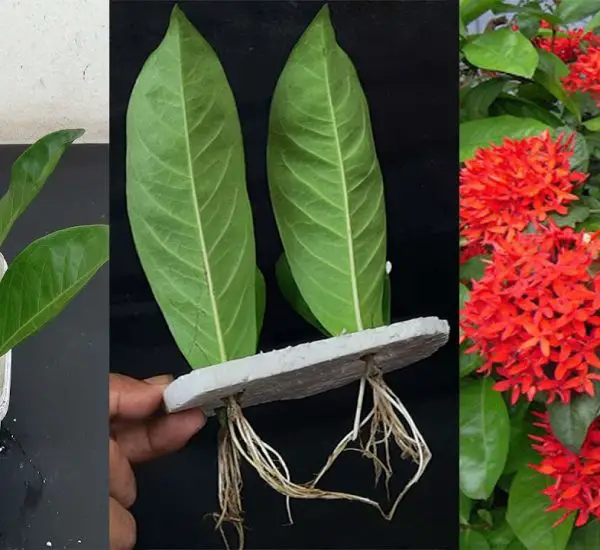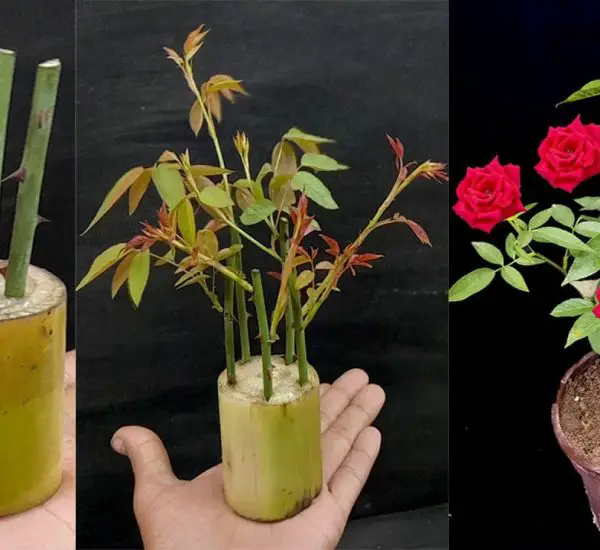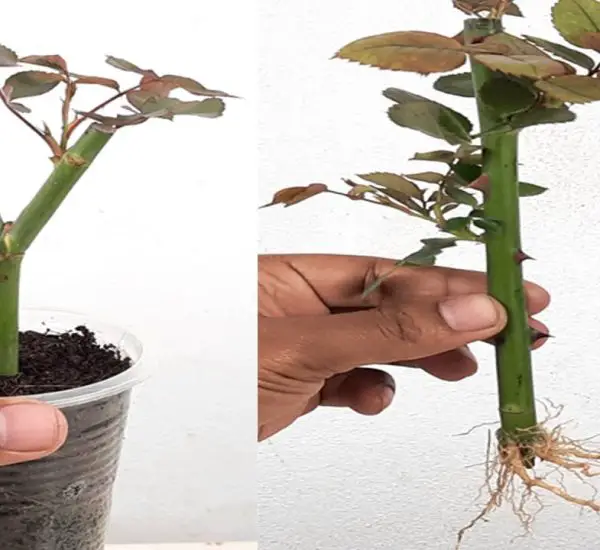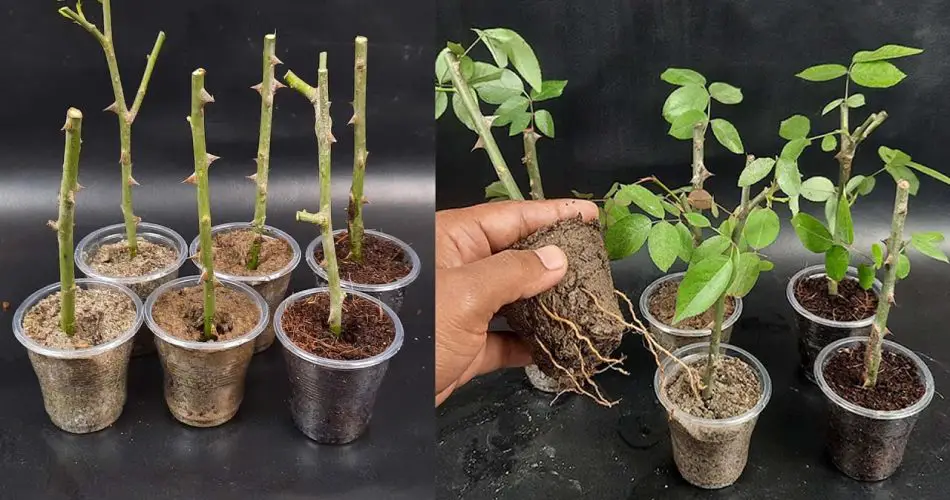
Roses are one of the most beloved flowers in gardens worldwide. Known for their beauty, fragrance, and symbolism, growing roses from cuttings is a popular and rewarding method for gardeners. Whether you have a prized rose variety or simply want to propagate your plants, using cuttings allows you to clone a rose and grow a new plant. In this article, we’ll explore how to successfully grow a rose from a cutting using three different media: water, soil, and perlite.
Why Grow Roses from Cuttings?
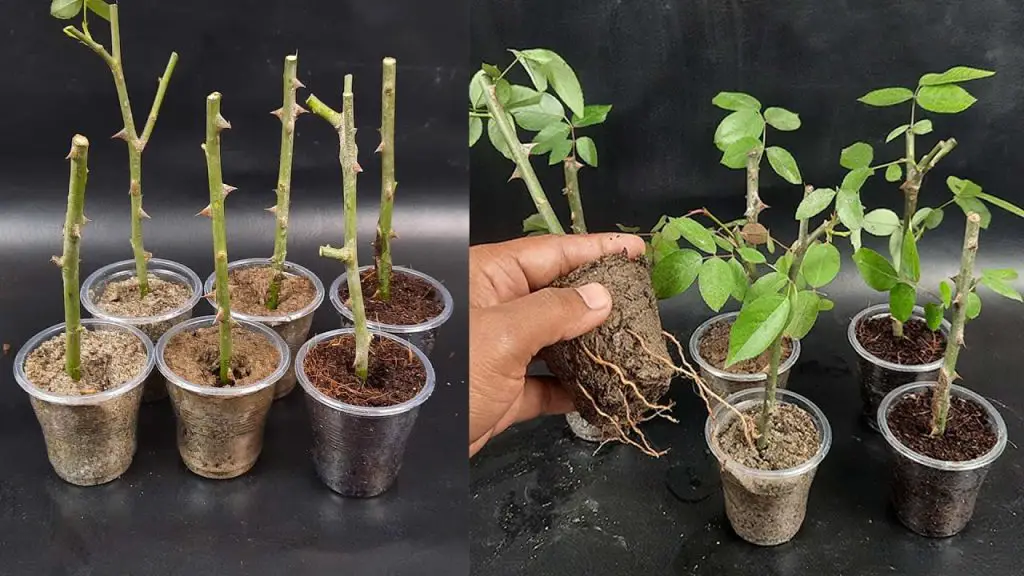
Before we dive into the methods, it’s important to understand the benefits of growing roses from cuttings:
- Cloning the Parent Plant:
- Growing roses from cuttings ensures that the new plant is genetically identical to the parent. This is ideal for preserving the unique traits of a specific variety.
- Cost-Effective:
- Rather than purchasing new rose plants, taking cuttings from an existing plant is an affordable way to expand your garden.
- Easy Propagation:
- While growing roses from seeds can take time and patience, cuttings are a much quicker method with a higher success rate.
Now, let’s explore the three methods for growing a rose from a cutting.
1. Growing Roses in Water
Growing roses in water is one of the simplest and most popular methods for beginners. This method allows you to easily monitor root development and transplant the cutting once roots have formed.
Steps:
- Select a Healthy Cutting:
- Take a 6-inch cutting from a healthy rose stem. Ensure it has at least two sets of leaves and is free from diseases.
- Prepare the Cutting:
- Trim the cutting just below a leaf node and remove the lower leaves to expose the stem. You can dip the cut end in rooting hormone to increase your chances of success.
- Place the Cutting in Water:
- Place the cutting in a clean jar of water, making sure the cut end is submerged while the leaves are above the waterline.
- Provide Ideal Conditions:
- Keep the jar in a bright, indirect light area. Change the water every 2-3 days to keep it fresh and encourage root growth.
- Wait for Roots to Develop:
- Within 2-4 weeks, you should see roots begin to form. Once the roots are at least 2 inches long, the cutting is ready to be transferred to soil.
2. Growing Roses in Soil
Soil is the most traditional and effective medium for rooting rose cuttings. Growing roses in soil encourages stronger roots and provides the cutting with the nutrients it needs for healthy growth.
Steps:
- Prepare the Cutting:
- Select a healthy stem and cut it to about 6 inches. Remove the lower leaves and dip the cut end in rooting hormone.
- Choose a Potting Medium:
- Use a well-draining soil mix, ideally a combination of potting soil, perlite, and sand. This mix provides good aeration and drainage, which is essential for root development.
- Plant the Cutting:
- Make a hole in the soil and insert the cutting, making sure that at least one node is buried. Firm the soil around the cutting to hold it upright.
- Create a Humid Environment:
- Cover the cutting with a plastic bag or place it in a propagation tray to maintain humidity. Ensure that the bag doesn’t touch the cutting directly, to avoid mold growth.
- Water and Maintain Moisture:
- Keep the soil moist but not waterlogged. Mist the cutting regularly to maintain humidity and provide indirect sunlight.
- Wait for Roots to Form:
- After about 4-6 weeks, gently tug on the cutting. If you feel resistance, roots have likely formed. You can then transplant the new rose plant into a larger container or your garden.
3. Growing Roses in Perlite
Perlite is a great alternative medium for rooting rose cuttings. It is lightweight, well-draining, and allows roots to form more easily without the risk of overwatering.
Steps:
- Prepare the Cutting:
- Take a 6-inch cutting and remove the lower leaves. Dip the cut end in rooting hormone for better results.
- Prepare the Perlite:
- Fill a small container or pot with perlite, ensuring it’s moistened but not soaking wet. Perlite provides good aeration and allows roots to grow without being waterlogged.
- Insert the Cutting:
- Insert the cut end of the rose cutting into the perlite, ensuring that at least one node is buried.
- Cover and Maintain Humidity:
- Cover the container with a plastic bag or plastic dome to maintain humidity. Keep the setup in indirect sunlight.
- Watering and Root Development:
- Mist the perlite regularly to maintain moisture, but avoid making it too wet. After 4-6 weeks, gently pull on the cutting to check for root development.
- Transplanting the Cutting:
- Once the cutting has developed a good root system, transplant it into a pot with soil or directly into the garden.
Tips for Success:
- Timing: The best time to take rose cuttings is during the dormant season, usually in late fall or early winter, when the plant is not actively growing.
- Rooting Hormone: While not absolutely necessary, using a rooting hormone can significantly increase the chances of successful propagation.
- Proper Conditions: Ensure that your cuttings are kept in humid, warm environments with bright, indirect light.
Conclusion
Growing roses from cuttings is a simple and satisfying way to propagate your favorite rose plants. Whether you choose to propagate in water, soil, or perlite, each method has its unique advantages and can result in healthy, blooming roses. With patience and proper care, your rose cuttings will develop into beautiful, thriving plants that you can enjoy for years to come!