Grafting is a time-tested technique used to propagate fruit trees, and it can be a rewarding project for both beginners and experienced gardeners. If you’re interested in growing a mango tree, grafting is one of the most effective ways to ensure high-quality fruit and a healthy tree. In this article, we’ll explore the best techniques for grafting a mango tree and provide tips for beginners to get started with fruit tree grafting.
Why Graft Mango Trees?
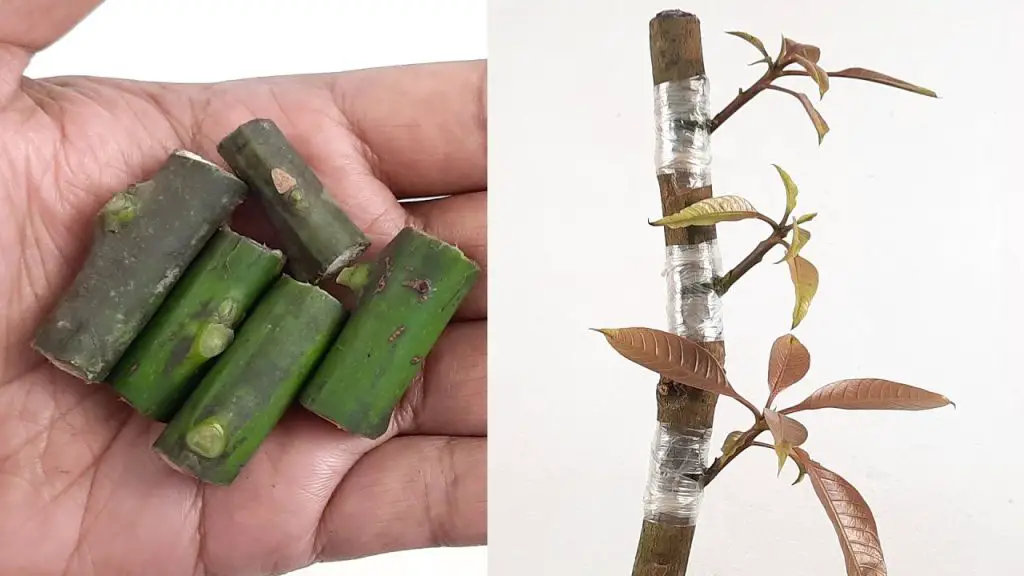
Grafting is a process where a cutting from one plant (scion) is joined to the rootstock of another plant. This technique is widely used in fruit tree cultivation for several reasons:
- Faster Fruit Production: Grafted trees often produce fruit much earlier than those grown from seeds.
- Better Disease Resistance: The rootstock can be chosen for its resistance to specific diseases, helping protect your mango tree.
- Improved Fruit Quality: By grafting a superior variety of mango onto a strong rootstock, you can ensure the fruit’s quality and consistency.
- Space-Saving: Grafting allows you to grow multiple varieties of mango or other fruit trees on a single rootstock.
The Basics of Mango Tree Grafting
Before starting, there are a few things to keep in mind when grafting a mango tree. As a beginner, these steps will guide you through the process and set you up for success.
1. Choose the Right Scion and Rootstock
- Scion: The scion is the part of the tree that will become the top portion, including the branches and leaves. When grafting mango trees, choose a healthy mango variety that produces desirable fruit.
- Rootstock: The rootstock is the part that is planted in the ground and will form the base of your tree. Select a strong and disease-resistant rootstock that is compatible with mango trees.
2. Select the Correct Time for Grafting
- The best time to graft mango trees is during the warm season, typically in spring or early summer when the tree is actively growing.
- Grafting is most successful when the rootstock is actively growing but not too mature.
3. Prepare the Tools
- You’ll need a sharp grafting knife, grafting tape, and pruning shears.
- Make sure your tools are clean and sterile to avoid infecting the plant with diseases.
4. Making the Graft
There are different methods of grafting, but the most common technique for mango trees is the cleft graft or whip-and-tongue graft. Here’s how to do it:
- Cleft Graft:
- Cut the Rootstock: Make a clean, horizontal cut across the rootstock about 6 inches above the soil.
- Prepare the Scion: Cut the scion to fit into the rootstock, ensuring it has at least 2-3 buds. The cut should match the cleft in the rootstock.
- Join the Scion and Rootstock: Insert the scion into the cleft in the rootstock, ensuring the cambium layers (the thin green layer just under the bark) are in contact.
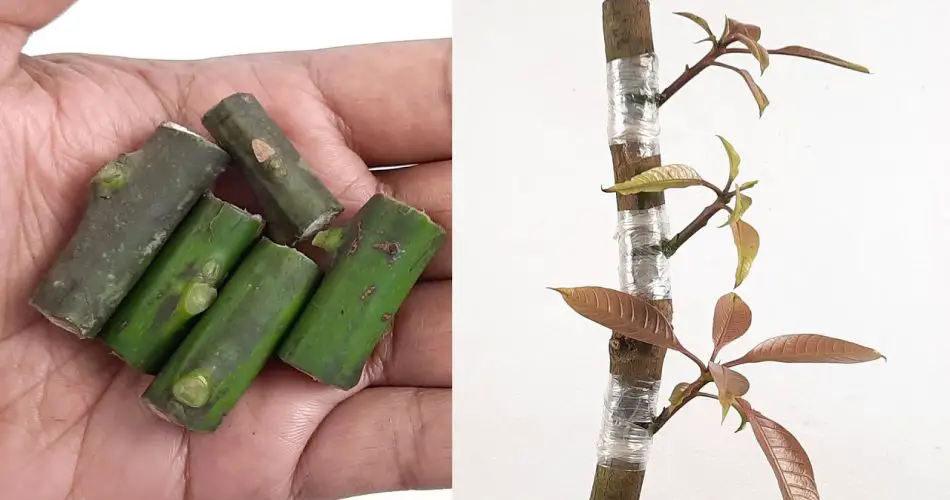
- Secure the Graft: Use grafting tape to tightly secure the union and keep it from drying out.
- Whip-and-Tongue Graft:
- Make an angled cut on both the scion and the rootstock to expose the cambium layers.
- Make complementary “tongue” cuts on both the scion and rootstock to interlock them.
- Fit the scion and rootstock together and secure with grafting tape.
5. Aftercare and Monitoring
- Once grafted, the tree will need to be kept in a humid environment to encourage healing. You can cover the graft with a plastic bag or place it in a shady, protected spot.
- Ensure the graft is not disturbed or exposed to extreme weather.
- Check regularly for signs of growth and new shoots from the scion.
Tips for Grafting Mango Trees Successfully
- Choose Healthy Plants: Both the scion and rootstock should be healthy and disease-free. Look for plants with vibrant leaves and strong stems.
- Maintain High Humidity: Mango trees are sensitive to dryness, so it’s crucial to keep the grafted area moist during the healing process.
- Be Patient: Grafting takes time, and it might take several weeks for the graft to take hold. Be patient and monitor the tree closely.
- Prune Properly: Once the graft is successful, prune any unnecessary shoots or branches from the rootstock to direct the tree’s energy into the new graft.
- Use the Right Grafting Method: Different grafting methods may work better for different mango varieties. Cleft grafting is often recommended for beginners due to its simplicity and high success rate.
Conclusion
Grafting a mango tree is a rewarding and enjoyable experience for beginners and seasoned gardeners alike. By following the right techniques and choosing the proper materials, you can create a healthy mango tree that produces high-quality fruit in less time. Whether you’re looking to grow different mango varieties or simply want a faster-growing tree, grafting is a great option to explore.
With patience, care, and a bit of practice, you’ll soon have your very own grafted mango tree, ready to produce delicious fruit for years to come! 🌳🍋