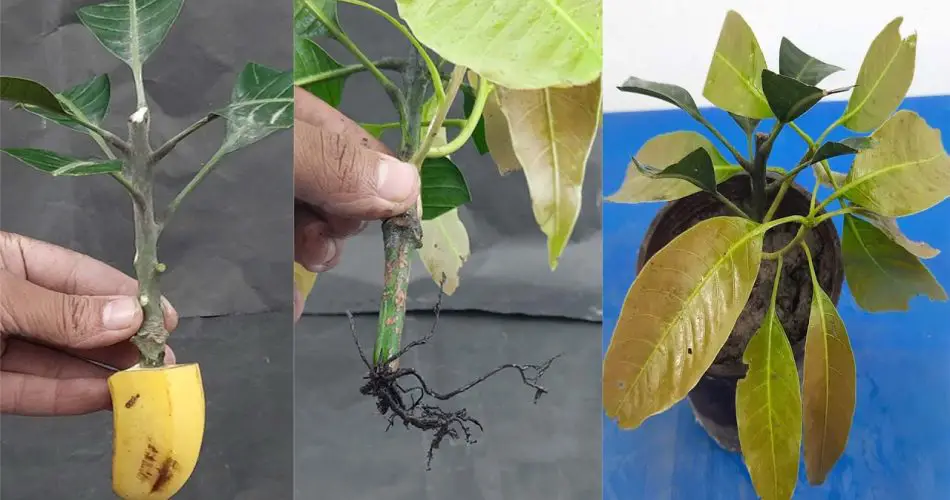
Growing a mango tree from cutting can be a bit tricky, but with the right techniques and some patience, you can successfully propagate a mango tree at home. Mango trees typically grow from seeds, but propagating them through cuttings is a great way to preserve the characteristics of the parent tree, such as fruit quality and size. In this guide, we’ll show you how to grow a mango tree from cutting with 100% success. Ready to get started? Let’s dive in!

Why Grow a Mango Tree from Cutting?
Growing mango trees from cuttings has several benefits over growing them from seed:
- Clonal propagation: You can clone the parent tree, ensuring that the fruit quality and characteristics remain the same.
- Faster fruiting: Mango trees grown from cuttings usually bear fruit sooner than those grown from seed, which can take several years.
- Stronger trees: When done correctly, cuttings can produce trees with stronger root systems and better disease resistance.
Materials Needed for Mango Tree Cuttings
Before we get into the process, here’s a list of materials you’ll need for this project:
- Mango tree cutting: Select a healthy, mature tree with desirable traits (such as good fruit quality and size).
- Sharp, clean pruning shears: For taking a clean cutting.
- Rooting hormone: This will stimulate root development.
- A small pot or container: For planting the cutting.
- Well-draining potting mix: A light, airy mix works best. You can use a combination of sand, perlite, and peat moss.
- Plastic bag or clear plastic bottle: To maintain humidity around the cutting.
- Water: To keep the cutting moist.
Step-by-Step Guide to Growing a Mango Tree from Cutting
1. Select the Right Mango Tree for Cutting
Choose a healthy mango tree that is producing good-quality fruit. The best trees for cuttings are usually young, non-flowering branches that are about 6 to 8 inches long and still soft but firm (not too old or woody). The cutting should have at least 2-3 leaf nodes (the small bumps or ridges where leaves emerge).
2. Take the Cutting
- Use a sharp knife or clean pruning shears to take the cutting. Make the cut just below a leaf node (a bump where leaves emerge).
- Cut at a 45-degree angle. This ensures a larger surface area for the rooting hormone to be applied and also helps in the absorption of nutrients.
- Remove any leaves from the bottom 1-2 inches of the cutting. Only the top part of the cutting should have leaves remaining.
3. Apply Rooting Hormone
- Dip the cut end of the mango cutting into rooting hormone powder. This is optional, but it significantly increases your chances of success.
- Gently tap off the excess hormone to avoid clumping.
4. Prepare the Planting Pot
- Fill a small pot with a well-draining potting mix. The mix should be light and airy to encourage good root growth. A combination of sand, perlite, and peat moss works well.
- Moisten the soil lightly before planting the cutting.
5. Plant the Mango Cutting
- Make a small hole in the center of the potting mix with a pencil or stick.
- Insert the cutting into the hole, ensuring the cut end is buried about 2-3 inches deep in the soil.
- Gently firm the soil around the cutting to hold it in place.
6. Create a Humid Environment
- Mango cuttings need high humidity to encourage root growth. You can create a mini greenhouse effect by placing a plastic bag or a clear plastic bottle over the pot to trap moisture. Ensure the plastic doesn’t touch the cutting.
- Make small holes in the plastic for air circulation, or leave it slightly open to prevent mold and fungus growth.
7. Keep the Cutting in a Warm, Bright Spot
- Place the pot in a warm, bright location, but not in direct sunlight, as it could scorch the cutting.
- The ideal temperature is between 75°F (24°C) and 85°F (29°C).
- Keep the soil consistently moist but not waterlogged. Mist the cutting regularly to maintain humidity.
8. Wait for Roots to Develop
- Over the next few weeks, the mango cutting will start to develop roots. You should begin to notice new growth in 2-3 weeks, though it could take longer depending on the environmental conditions.
- Check for resistance when you gently pull the cutting. If you feel resistance, it means the cutting has developed roots and is ready for transplanting.
9. Transplant the Mango Cutting
- Once the cutting has rooted and new growth appears, it’s time to transplant it into a larger pot or the garden. If you’re keeping it in a pot, choose one that’s at least 8-10 inches in diameter to allow the roots to spread out.
- If you’re planting it in the garden, choose a sunny spot with well-draining soil.
Tips for 100% Success in Growing Mango Trees from Cuttings
- Choose the right time: The best time to take mango cuttings is during the warm months, ideally in spring or summer, when the tree is actively growing.
- Humidity is key: Mango trees need a lot of moisture to root properly. Make sure the environment around your cutting stays humid.
- Don’t overwater: While the soil should be moist, it should not be waterlogged. Good drainage is essential to prevent rotting.
- Be patient: Rooting can take time, anywhere from 3 weeks to 3 months, depending on the conditions. Don’t rush the process!
- Use healthy, disease-free cuttings: Always ensure the parent mango tree is healthy and disease-free to prevent any transmission to the cutting.
- Prune the cutting once it grows: Once the cutting is established, it’s important to prune the tree regularly to encourage strong growth and a better shape.
Common Problems and Solutions
- Root rot: If your cutting is showing signs of rot, ensure your potting mix is well-draining and that the cutting is not overly wet. You can trim off the affected area and try rooting again.
- Lack of roots: If your cutting isn’t developing roots after several weeks, check the temperature and humidity levels. If it’s too dry or cool, the roots may not form.
- Yellowing leaves: If the leaves of the cutting start to yellow, it could indicate overwatering or insufficient light. Make sure the cutting is in a well-lit spot but not exposed to direct sunlight.
Conclusion
Growing a mango tree from cutting is a rewarding and efficient way to propagate these delicious tropical trees. By following the steps outlined in this guide and ensuring the right care, you can achieve 100% success in growing your own mango tree from a cutting. The process might take some patience, but with the right conditions, you’ll soon have a healthy tree that will bear delicious fruit for years to come.
Happy gardening! 🌱