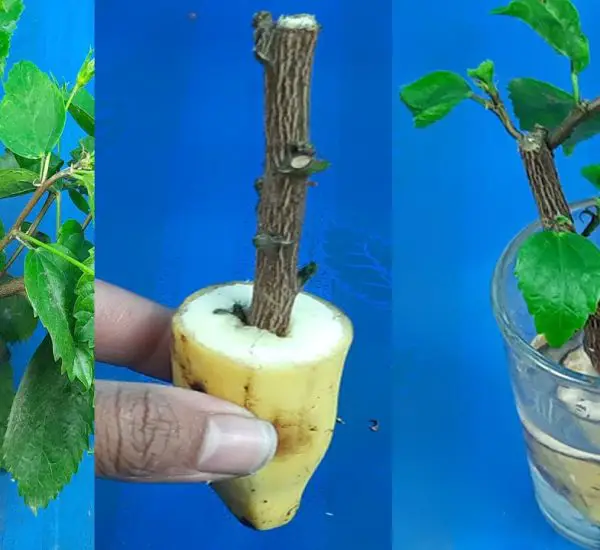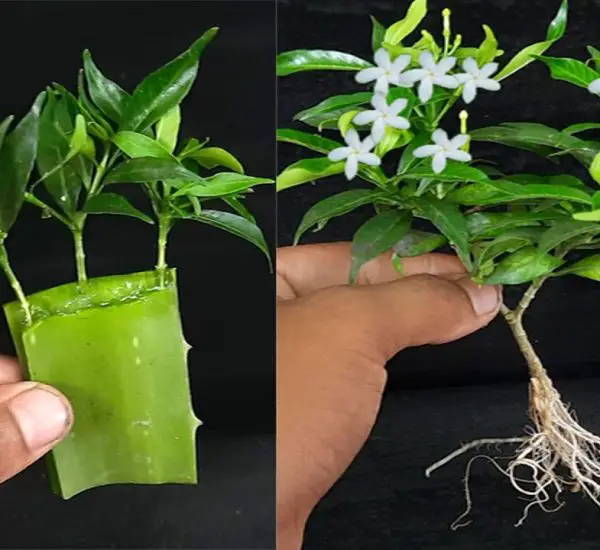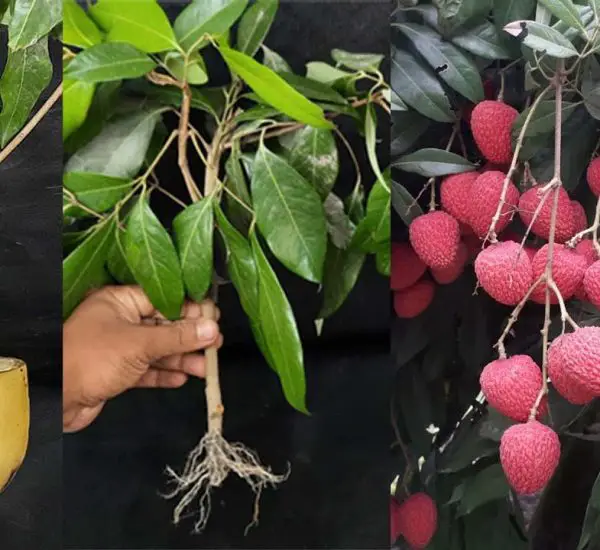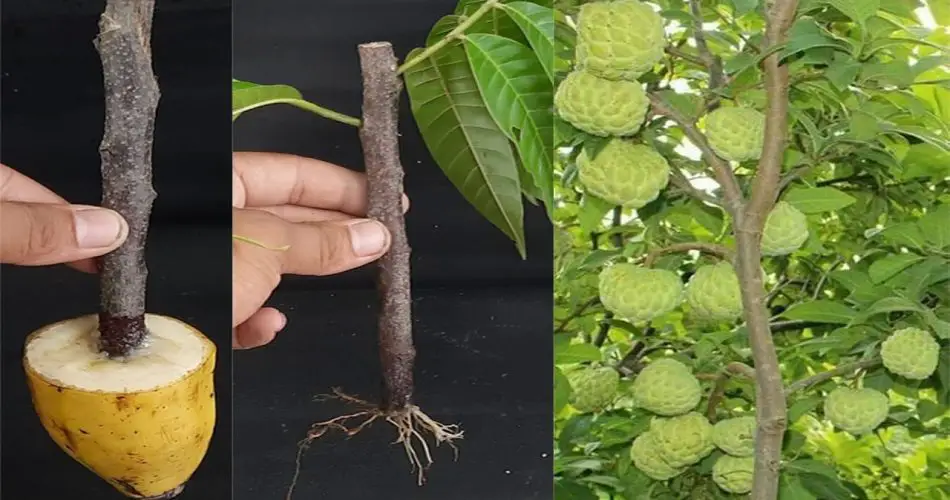
Growing a custard apple or sugar apple tree at home can be a rewarding experience. Not only does the tree produce delicious, sweet fruits, but it can also add a tropical flair to your garden. One of the easiest and most effective ways to propagate a custard apple tree is by using cuttings. In this article, we’ll explore a unique method that uses a banana to help your cutting take root and grow into a healthy tree.
Why Use Cuttings for Growing Custard Apple Trees?
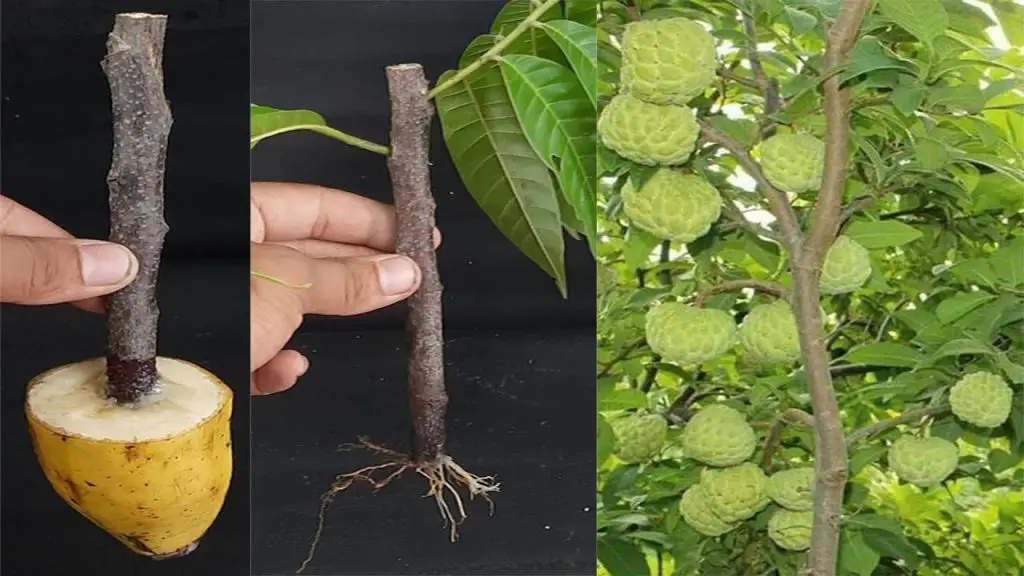
Growing a custard apple tree from seeds can take longer and may not always result in a tree that produces fruit as well as one grown from a cutting. Using cuttings is a faster and more reliable way to propagate the tree. Cuttings are simply small sections of the tree’s branches that, when treated properly, can grow into a new plant.
The banana method is particularly beneficial because bananas are rich in natural hormones and nutrients that help stimulate root growth in cuttings. By using a banana in the propagation process, you provide the cutting with an extra boost to encourage fast rooting and strong growth.
Materials Needed for Growing Custard Apple Tree from Cuttings
To begin the process of propagating a custard apple tree using a banana, you’ll need the following materials:
- A healthy custard apple cutting (about 6-8 inches long, with a few leaves attached)
- A ripe banana
- A sharp knife or scissors
- A small pot with well-draining soil
- A plastic bag or plastic wrap (to create a humid environment)
Step-by-Step Guide to Propagating Custard Apple Using a Banana
Step 1: Prepare the Cutting
Start by selecting a healthy custard apple branch. Cut a 6-8 inch section from the tip of the branch, making sure it has at least 2-3 leaves. Remove any excess leaves or flowers from the cutting, leaving just the top few leaves intact.
Make a clean diagonal cut at the bottom of the cutting, just below a leaf node. This will help the cutting absorb water and nutrients more effectively.
Step 2: Prepare the Banana
Take a ripe banana and cut it in half. The banana will serve as a natural rooting hormone for the cutting. The potassium and other nutrients in the banana will help stimulate root development.
Use the knife to make a small hole in the middle of the banana, large enough to insert the cutting. Insert the bottom of the cutting into the banana, making sure it’s snug and supported.
Step 3: Insert the Cutting into the Potting Mix
Once the cutting is securely placed in the banana, transfer the entire setup to a small pot filled with well-draining soil. Make a hole in the center of the soil and place the banana with the cutting gently into the hole.
Gently cover the soil around the cutting, making sure the banana stays in place. The soil should be slightly moist, but not soaking wet.
Step 4: Create a Humid Environment
To encourage rooting, create a humid environment around the cutting. Cover the pot with a plastic bag or wrap it with plastic wrap to trap moisture. This will help keep the cutting from drying out and promote faster root growth.
Place the pot in a warm, bright area, but avoid direct sunlight, as it can scorch the cutting.
Step 5: Monitor the Progress
Check on the cutting every few days to ensure the soil remains moist and that the cutting is not drying out. After about 2-3 weeks, you should begin to see rooting at the base of the cutting.
Once the cutting has developed a healthy root system, you can remove the plastic covering and allow the plant to continue growing.
Benefits of Using the Banana Method
- Natural Rooting Hormones: Bananas contain natural growth hormones like auxins that help stimulate the rooting process in cuttings.
- Nutrient Boost: The potassium and other nutrients in the banana help promote strong root development and overall plant health.
- Cost-Effective: This method is affordable, as bananas are easy to obtain and can be used in place of expensive chemical rooting agents.
- Environmentally Friendly: Using bananas for propagation is a natural and eco-friendly way to grow your trees.
Tips for Success
- Use Fresh Cuttings: Always use fresh, healthy cuttings from a mature tree to ensure the best chances of success.
- Avoid Overwatering: While humidity is important, make sure the soil does not stay too wet, as this can cause the cutting to rot.
- Transplanting: Once the cutting has developed strong roots, it can be transplanted into a larger pot or directly into the ground.
Conclusion
Growing a custard apple (sugar apple) tree from cuttings using a banana is an easy and effective way to propagate your tree. With this simple method, you can help your cutting grow roots faster, leading to a healthy tree that produces delicious fruit. Give this technique a try, and enjoy watching your custard apple tree thrive! 🌱🍏