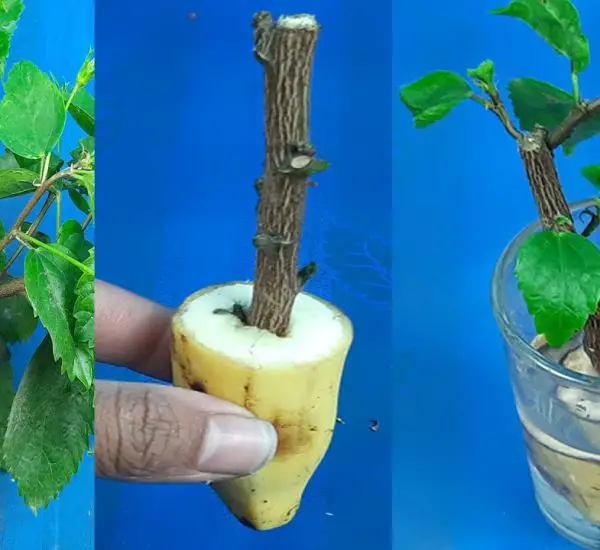
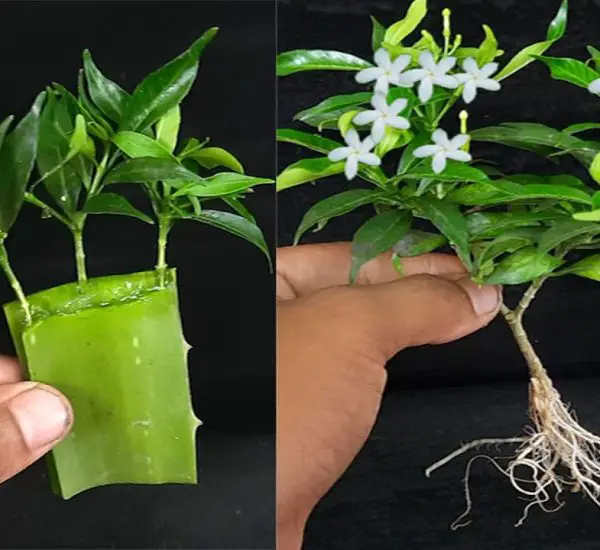
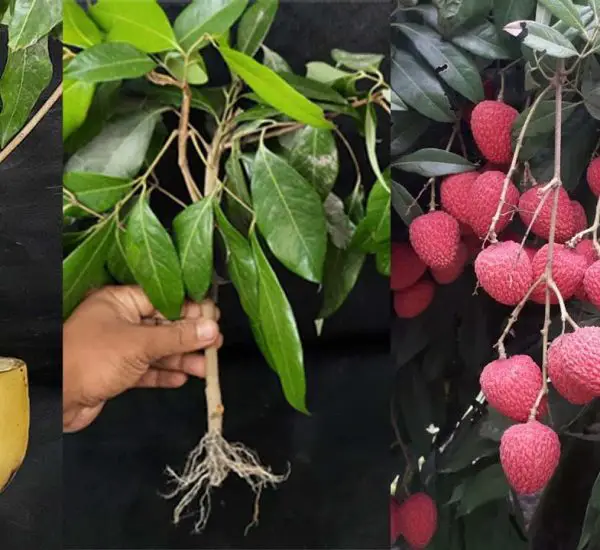
Air layering is an effective method of propagating mango trees, and it becomes even more interesting when you use a banana tree to assist in the process. This technique involves creating roots on a branch while it’s still attached to the parent tree. By combining air layering with a banana tree, you can enhance the success rate and health of the mango tree cutting. This method is not only efficient but also a fun way to propagate your mango tree at home. Let’s dive into how to air layer a mango tree using a banana tree and the benefits of this unique propagation method.
Why Use a Banana Tree for Air Layering Mango Trees?
Banana trees have a unique property—they retain moisture and provide humidity when used in air layering. This makes them an excellent natural helper for air layering, especially in dry or hot climates. The moisture retention helps to create the ideal environment for the mango cutting to form roots before it’s severed from the parent plant.
Steps to Air Layer a Mango Tree Using a Banana Tree
1. Choose a Healthy Mango Tree Branch
First, select a mango branch that is healthy and mature. It should be about 1 to 2 years old, with a diameter of around 1/2 inch to 1 inch. Look for a branch that is not too thick or too thin, and ensure that it’s free from disease or pests.
2. Prepare the Air Layering Materials
You will need the following materials for the air layering process:
- Sharp knife or pruning shears
- Plastic wrap or cling film
- Moss (preferably sphagnum moss)
- Banana tree leaves or banana pseudostems (for creating a moisture-rich environment)
- Rooting hormone (optional but can help stimulate root growth)
- Twist ties or string to secure the plastic wrap
3. Make an Incision on the Mango Branch
Using your sharp knife, make a circular incision around the mango branch, about 10-12 inches from the tip. Carefully remove the bark and cambium layer (the layer just under the bark) around the branch to expose the wood. This will stimulate the tree to grow roots. Be cautious not to damage the inner wood while removing the bark.
4. Apply Rooting Hormone
(Optional) You can dip the exposed area of the mango branch in rooting hormone to promote root development. This step is not always necessary, but it can improve the chances of success, especially for mango trees that are slower to root.
5. Wrap the Branch with Moisture-Retaining Moss
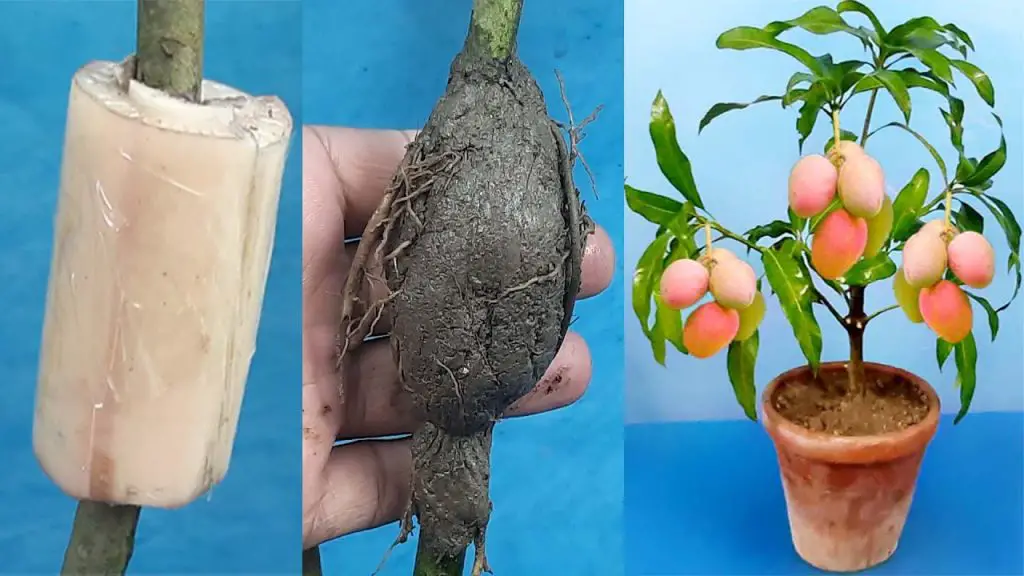
Next, take the sphagnum moss and soak it in water until it’s fully saturated. Squeeze out any excess water and wrap the moss around the exposed area of the branch, making sure it covers the incision. The moss should stay moist throughout the process, helping the mango cutting form roots.
6. Cover the Moss with Plastic Wrap
Wrap the moss-covered area with plastic wrap or cling film to keep the moisture locked in. Secure the plastic wrap with twist ties or string to ensure it stays in place. This creates a sealed, humid environment that encourages root growth on the mango branch.
7. Create a Moisture-Rich Environment with Banana Tree Leaves
To further enhance the humidity, wrap the moss-covered plastic with banana tree leaves or banana pseudostems. The leaves will provide additional moisture and help maintain a steady humidity level around the mango cutting. The moisture-retaining properties of the banana tree are beneficial in keeping the roots healthy and thriving.
8. Wait for Roots to Form
Now, the hardest part: patience! Over the next few weeks, you’ll need to monitor the air layering process. The mango branch will begin to form roots within 4 to 8 weeks, depending on the environmental conditions. Keep an eye on the plastic wrap to ensure the moss remains moist, and adjust as necessary.
9. Check for Root Development
After 4-8 weeks, carefully peel back the plastic wrap and check for root development. If you see healthy white roots growing around the moss, it’s time to cut the branch from the parent mango tree.
10. Sever the Mango Cutting and Transplant
Once the roots are well-established, use a sharp knife to sever the mango branch just below the roots. Now, you have a fully rooted cutting! Carefully transplant the rooted mango cutting into a pot filled with well-draining soil, or directly into the ground if the climate is warm enough for mango trees.
Tips for Successful Mango Air Layering
- Choose the Right Season: The best time to air layer a mango tree is during the spring or summer when the tree is actively growing.
- Provide Indirect Light: After transplanting, ensure that the mango cutting receives indirect sunlight until it acclimates to its new environment.
- Maintain Humidity: Keep the area around the cutting humid by misting the leaves or covering the plant with a plastic bag until it becomes well-established.
- Avoid Overwatering: Once planted, water the new mango tree cutting moderately. Overwatering can lead to root rot, especially in the early stages.
Benefits of Air Layering Mango Trees Using Banana Trees
- Increased Success Rate: The added humidity from the banana tree leaves helps create a more favorable environment for root growth, increasing the success rate of the air layering process.
- Faster Root Development: With proper moisture, the mango cutting will root more quickly compared to traditional air layering methods.
- Sustainability: Using banana tree leaves as a natural way to boost humidity is a sustainable and eco-friendly approach.
Conclusion
Air layering a mango tree using a banana tree is a unique and effective method to propagate mango trees with many benefits. By using the moisture-retaining properties of banana tree leaves or pseudostems, you can create a humid environment that encourages strong, healthy root development. With the right tools, patience, and care, you can successfully propagate mango trees and enjoy a thriving home garden filled with mango trees ready to bear delicious fruit! 🌱🌞