Aloe vera is a hardy and versatile plant that offers a multitude of benefits, from soothing sunburns to providing natural skincare. The good news is that growing an Aloe Vera tree from leaf cuttings is easier than you might think! Whether you want to grow it for its healing properties or simply as an ornamental plant, Aloe Vera thrives in homes with the right conditions. In this guide, we’ll show you how to propagate Aloe Vera from leaf cuttings and grow your own Aloe Vera tree with minimal effort.
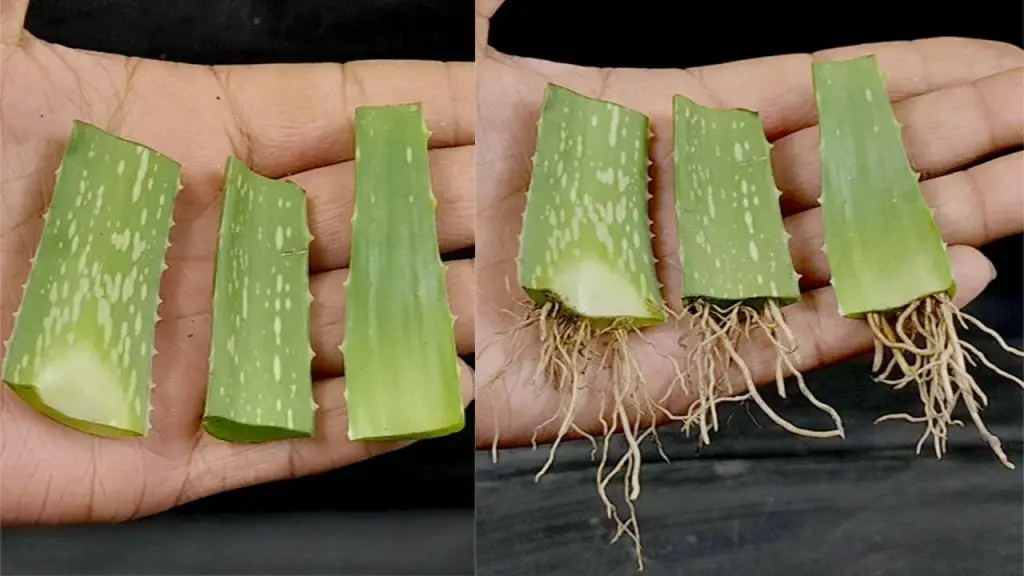
Why Grow Aloe Vera from Leaf Cuttings?
Growing Aloe Vera from leaf cuttings offers several advantages:
- Cost-effective: You don’t need to buy a new plant each time—you can propagate your existing Aloe Vera.
- Simple: Aloe Vera is a resilient plant, and even beginners can succeed in growing it.
- Health Benefits: Aloe Vera is known for its healing properties, including skin soothing, digestive health, and natural remedy for burns and cuts.
However, it’s important to note that Aloe Vera does not typically root easily from leaf cuttings compared to other plants like succulents or roses. While it’s possible to grow a new Aloe Vera plant from a leaf cutting, it’s usually better to propagate through offshoots or pups (small baby plants that grow at the base of the parent plant). If you don’t have pups but want to try leaf propagation, this method can still work, though it may take a bit longer.
Materials Needed:
- Aloe Vera leaf (from a healthy, mature plant)
- Sharp knife or scissors
- Cinnamon or activated charcoal (natural rooting hormone)
- Small pot or container
- Well-draining soil (cactus or succulent mix works best)
- Plastic bag or clear plastic wrap (optional)
- Water (for occasional misting)
Step-by-Step Guide to Growing Aloe Vera from Leaf Cuttings
1. Select a Healthy Aloe Vera Leaf
- Choose a mature, healthy Aloe Vera leaf for propagation. It’s best to select a leaf that’s thick and fleshy, as these are more likely to root successfully.
- Make sure the leaf is free from damage or disease. A healthy leaf ensures that your cutting has the best chance of success.
2. Cut the Leaf
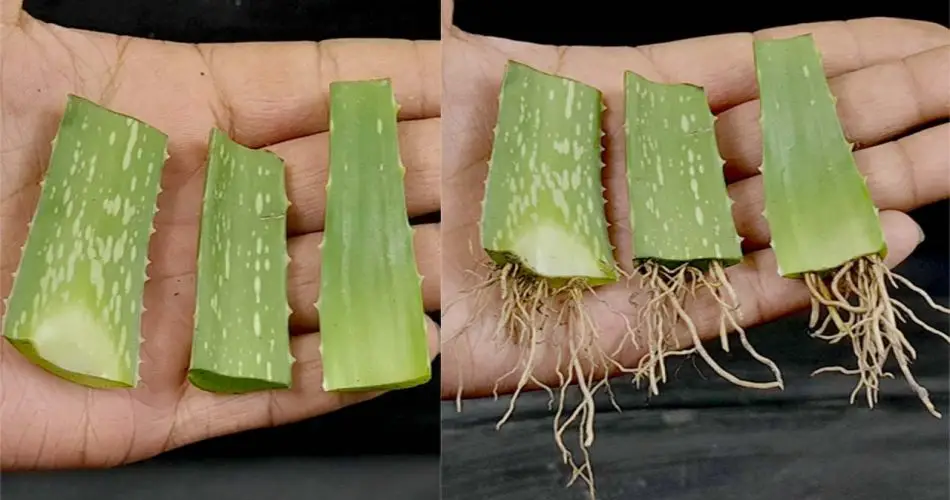
- Using a sharp knife or scissors, carefully cut the Aloe Vera leaf from the base of the plant. The cutting should be around 4-6 inches long. Avoid cutting too close to the base, as this can damage the main plant.
- After cutting, allow the leaf to dry for 24-48 hours. This is an important step because it allows the cut end to callous over, which helps prevent rot when planted. Leave the leaf in a dry, warm place out of direct sunlight.
3. Prepare the Cutting for Planting
- Once the cut end has calloused, apply cinnamon powder or activated charcoal to the cut end of the leaf. These substances act as natural antifungal agents and encourage root growth.
- Avoid using any chemical rooting hormones, as Aloe Vera is a hardy plant that typically doesn’t require them.
4. Plant the Leaf Cutting
- Fill a small pot with well-draining soil, such as a cactus or succulent mix. Aloe Vera prefers soil that dries quickly and doesn’t retain too much moisture.
- Place the calloused end of the leaf into the soil, burying it about 1 to 2 inches deep. Ensure the rest of the leaf is upright and supported.
- Gently pack the soil around the base of the leaf to ensure it stays upright.
5. Watering and Humidity
- After planting the cutting, lightly water the soil to settle it around the cutting. Be careful not to overwater, as Aloe Vera is sensitive to root rot. The soil should be kept slightly moist, but not soggy.
- If you want to increase humidity around the cutting, cover the pot with a clear plastic bag or wrap it with plastic wrap. This helps retain moisture, but be sure to allow for some air circulation to avoid mold buildup.
6. Place in a Warm, Bright Location
- Aloe Vera needs plenty of indirect sunlight to grow. Place the pot in a location where it will receive bright, indirect light but not direct sunlight, which can scorch the cutting.
- A warm spot (about 70-80°F or 21-27°C) is ideal for root development. Avoid placing the cutting in a drafty area or in temperatures that dip below 50°F (10°C).
7. Wait for the Roots to Develop
- Patience is key! Rooting can take anywhere from 3 weeks to 2 months. You’ll know the cutting is ready when you see small roots growing from the base of the leaf. The leaf will also begin to stand upright and might start to show signs of new growth.
- Occasionally, you can mist the cutting with water, but avoid soaking the soil. Overwatering can cause rot, which will kill the cutting.
8. Transplanting the Rooted Aloe Vera
- Once the cutting has developed strong roots, it’s time to transplant it into a larger pot with well-draining soil. Gently remove the rooted cutting from the small pot and transplant it into its new home.
- Water the plant lightly after transplanting and place it in a location with bright, indirect sunlight.
Tips for Successful Aloe Vera Leaf Cutting Propagation
- Rooting Success: Aloe Vera cuttings can be difficult to propagate, but with patience and the right conditions, you’ll increase your chances of success.
- Avoid Overwatering: Aloe Vera is a succulent, so it’s crucial to let the soil dry out completely between waterings.
- Use Offsets for Easier Propagation: If your Aloe Vera plant has pups (small offshoots), these are easier to propagate than leaf cuttings. Simply remove the pups and replant them in their own pots.
Conclusion
Growing Aloe Vera from leaf cuttings is a relatively simple and rewarding process, though it requires a little patience. By following the steps above, you can create new Aloe Vera plants from existing ones, saving money and expanding your collection of this useful and attractive plant. Keep in mind that while Aloe Vera cuttings can be slow to root, with the right care, they can thrive and eventually grow into strong, healthy plants.
Happy gardening, and may your Aloe Vera plants flourish! 🌱🌿