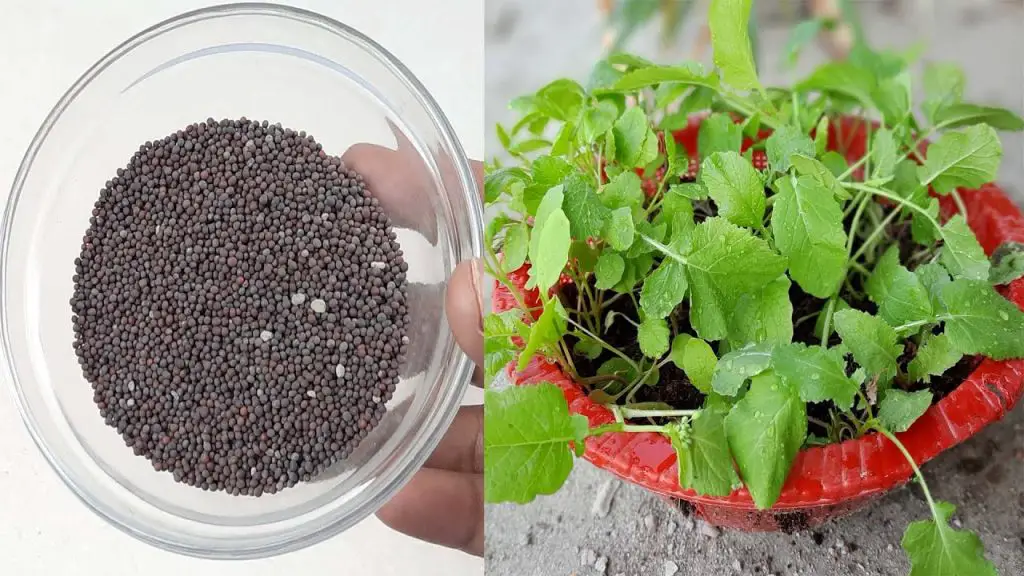
Growing mustard at home is incredibly rewarding, and it all starts with understanding the mustard seed germination process. Whether you’re planting for culinary purposes, sprouting in a jar, or growing mustard greens, the process is simple and fast. In this guide, we’ll walk you through the steps for germinating mustard seeds efficiently to help you get the most out of your mustard plants.
Why Grow Mustard at Home?
Mustard plants are quick-growing and easy to care for, making them a great choice for both beginner and experienced gardeners. Mustard seeds are versatile, used in a variety of dishes, from homemade mustard sauces to mustard greens in salads. Growing your own mustard ensures you have access to fresh, organic mustard that’s rich in nutrients.
Benefits of growing mustard:
- Fast growth: Mustard germinates quickly, usually within 3 to 5 days.
- Nutritional benefits: Mustard greens are packed with vitamins A, C, and K, and are a great addition to your diet.
- Easy to grow: Mustard can thrive in containers, raised beds, or directly in the ground.
Step-by-Step Guide for Mustard Seed Germination
1. Select Your Mustard Seeds
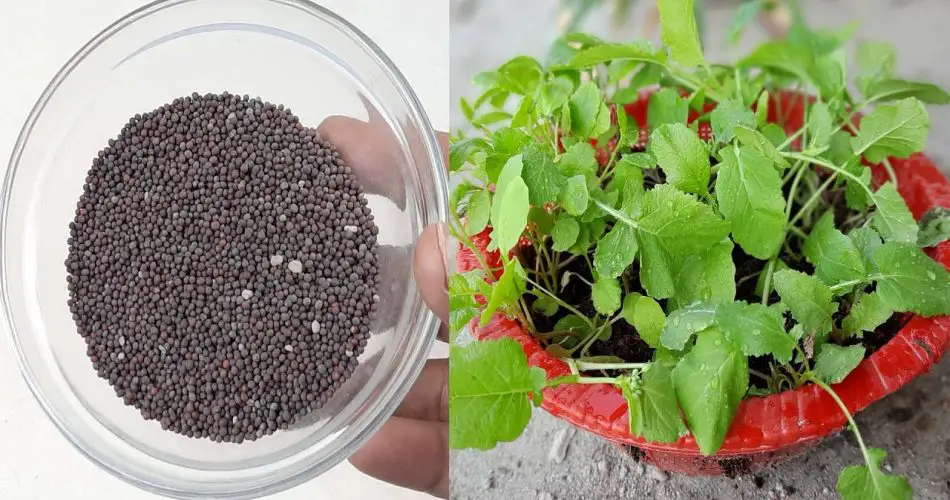
To start, choose the mustard seed variety that best suits your needs. You can select from mustard greens, yellow mustard, brown mustard, or black mustard seeds. Each type has slightly different flavors and uses, but the germination process remains the same.
2. Prepare the Planting Area
Mustard seeds need a well-draining soil to thrive. They prefer soil that is loamy and slightly acidic (with a pH between 5.5 and 6.5).
- Location: Choose a spot with full sun or partial shade.
- Soil Preparation: Loosen the soil and remove any weeds. You can enrich the soil with organic compost to improve its fertility.
3. Soak the Mustard Seeds (Optional)
While mustard seeds germinate quickly, soaking them for 12-24 hours before planting can boost germination rates and speed up the process. This step helps soften the seed coat and encourages faster sprouting.
- How to soak: Place the seeds in a bowl of warm water and let them soak for a day. Drain the water before planting.
4. Plant the Seeds
The next step is to plant your mustard seeds:
- Depth: Plant seeds about 1/4 inch deep in the soil.
- Spacing: Space seeds about 1-2 inches apart to give them enough room to grow. If you’re planting in rows, space the rows around 6-8 inches apart.
- Watering: Water gently after planting to settle the seeds in the soil. Keep the soil consistently moist but not soggy.
5. Maintain Optimal Conditions
Mustard seeds are cold-tolerant but require warm temperatures for germination. The ideal temperature for mustard seed germination is between 50°F (10°C) and 85°F (29°C).
- Light: Mustard seeds need direct sunlight once they begin to germinate. Place the seedbed in a sunny location or under grow lights if starting indoors.
- Watering: Keep the soil moist, but avoid overwatering, which can lead to root rot. Mist the soil lightly if the air is too dry.
6. Watch for Germination
After planting, you should start seeing small sprouts emerging from the soil within 3-5 days. The seedlings will quickly develop green cotyledons (seed leaves) followed by true leaves.
- Growth Progress: Once the seeds germinate, ensure the seedlings have enough space, water, and light to grow strong.
- Thin Out Seedlings: If the seedlings are crowded, thin them out by removing the weakest plants. This will allow the stronger plants to thrive and develop into healthy mustard greens or mustard plants.
Care After Germination
Once your mustard seeds have sprouted and established themselves, continue to care for your plants:
- Watering: Keep the soil moist but not waterlogged. Mulching around the base of the plants can help retain moisture.
- Fertilization: If you want to encourage faster growth, you can apply a balanced fertilizer once a month.
- Pruning: For mustard greens, regularly harvest the leaves to encourage new growth. If you’re growing mustard seed plants, allow them to flower and produce seeds in the late summer or fall.
Harvesting Mustard
After 4 to 6 weeks, you can begin harvesting mustard greens. For mustard seed production, wait until the plants bloom and form seed pods. Once the pods turn brown, you can harvest and collect the seeds.
Conclusion
The mustard seed germination process is quick and straightforward, making it an excellent option for gardeners who want fast results. Whether you’re growing mustard greens for culinary use or cultivating mustard plants for seed production, this method ensures you get a healthy, high-yielding crop. By following these simple steps, you’ll enjoy homegrown mustard in no time—perfect for adding a fresh, spicy kick to your meals. Happy gardening! 🌱