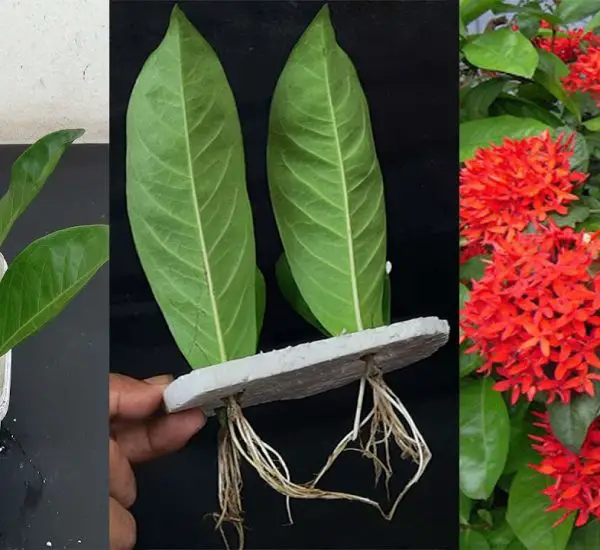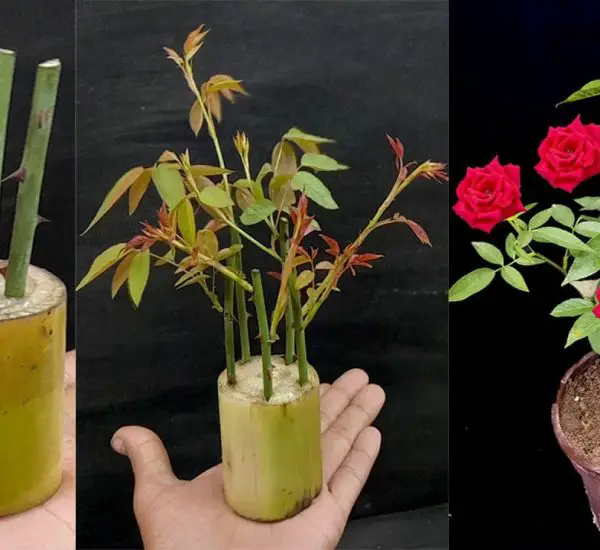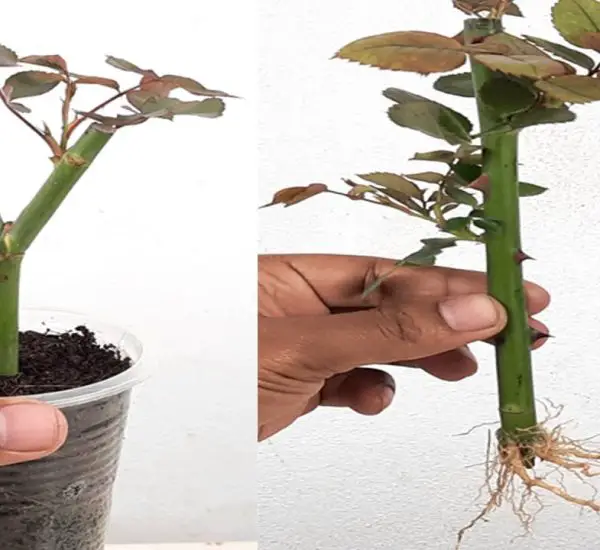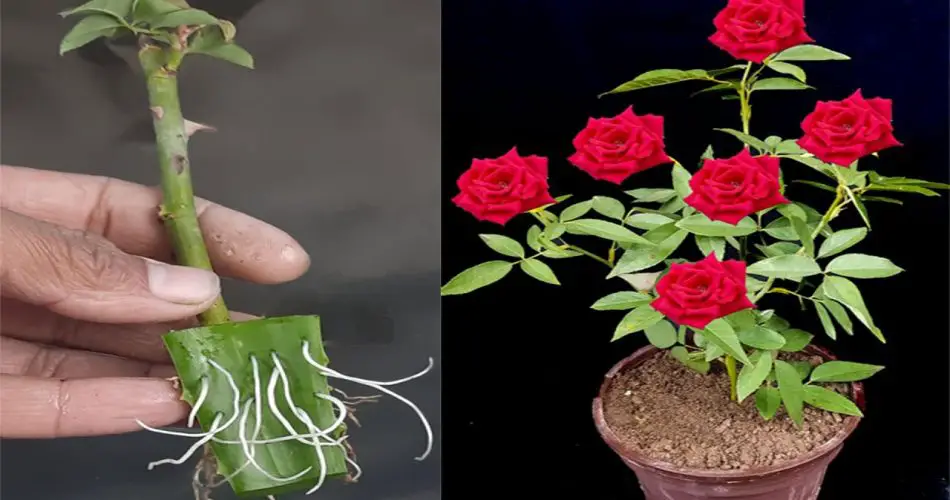
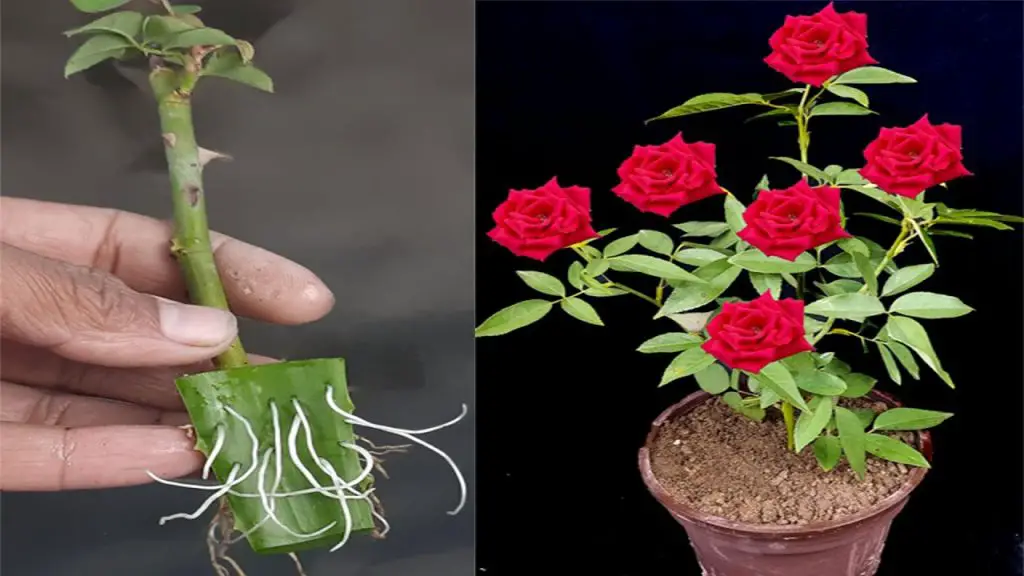
Growing roses from cuttings is a fantastic way to propagate your favorite rose varieties. While there are many techniques to encourage cuttings to root, an amazing and natural method involves using aloe vera gel. Aloe vera, known for its healing properties, can also work wonders in promoting the growth of new rose plants. This method is not only simple but also eco-friendly, as aloe vera helps reduce the need for synthetic rooting hormones. Let’s explore how you can grow rose cuttings successfully using aloe vera.
Why Use Aloe Vera for Growing Rose Cuttings?
Aloe vera is a powerhouse plant with numerous benefits, especially in the world of gardening:
- Natural rooting hormone: Aloe vera contains auxins, which are compounds that promote root growth, making it an excellent alternative to chemical rooting hormones.
- Antibacterial properties: The gel from aloe vera has natural antibacterial and antifungal properties, helping to prevent infections that could harm your rose cutting.
- Moisture retention: Aloe vera gel helps to keep the rose cutting hydrated, which is crucial for rooting.
Step-by-Step Guide to Growing Rose Cuttings in Aloe Vera
If you want to propagate your roses using aloe vera gel, here’s a simple, step-by-step guide to help you succeed:
1. Prepare Your Rose Cutting
- Select a healthy rose stem: Choose a non-flowering stem from a mature rose bush. The stem should be about 6 to 8 inches (15 to 20 cm) long and have at least two or three nodes (where leaves are attached).
- Trim the cutting: Use a sharp, clean pruning shear to cut the rose stem at a 45-degree angle just below a node. This helps the cutting absorb moisture more effectively.
- Remove excess leaves: Trim the bottom half of the cutting, removing any leaves to avoid rot and ensure that the cutting will focus on growing roots rather than leaves.
2. Prepare the Aloe Vera Gel
- Extract fresh aloe vera gel: Cut open a fresh aloe vera leaf. Scoop out the gel using a spoon. You’ll need enough to coat the bottom part of the rose cutting.
- Ensure it’s pure aloe vera gel: If you’re using store-bought aloe vera gel, make sure it’s 100% pure without any added chemicals or fragrances that could harm the cutting.
3. Dip the Cutting in Aloe Vera Gel
- Coat the bottom of the cutting: Dip the cut end of the rose stem into the fresh aloe vera gel, making sure the cutting is well-coated. Aloe vera gel will provide moisture and stimulate the growth of roots.
- Let it sit for a few minutes: Allow the aloe vera-coated cutting to sit for a few minutes to ensure it has fully absorbed the gel.
4. Plant the Cutting in Soil
- Prepare a pot or container: Fill a small pot or container with a well-draining potting mix. Use a mix designed for cuttings or seedlings to ensure good drainage.
- Create a hole for the cutting: Make a small hole in the center of the soil using a stick or your finger.
- Plant the cutting: Insert the aloe vera-coated rose cutting into the hole, ensuring that the cut end is buried about 2 inches (5 cm) deep into the soil.
- Firm the soil around the cutting to keep it stable.
5. Maintain Optimal Growing Conditions
- Water lightly: Water the soil gently to keep it slightly moist, but not soaked. Overwatering can cause the cutting to rot.
- Create a humidity dome: To maintain moisture and humidity, cover the cutting with a plastic bag or clear plastic container. Make sure the cover does not touch the cutting directly.
- Place in a warm, indirect light area: Keep the cutting in a bright area with indirect sunlight. Avoid placing it in direct sunlight, as it may get too hot and dry out the cutting.
6. Wait for Roots to Develop
- Rooting process: Over the next 4 to 6 weeks, the rose cutting should begin to develop roots. You can gently tug on the cutting to see if it has rooted. If you feel resistance, that means roots are forming.
- Check for root growth: Once you notice a healthy root system, you can remove the plastic cover and start acclimating the cutting to its environment by increasing its exposure to light.
7. Transplant the Rooted Rose Cutting
- Once the cutting has developed a strong root system, it’s time to transplant it into a larger pot or directly into your garden.
- Choose a sunny spot: Roses thrive in full sunlight, so plant your new rose cutting in a spot that gets at least 6 hours of sunlight a day.
- Water regularly: Keep the newly transplanted rose hydrated, but avoid waterlogging the soil.
Tips for Success
- Keep the cutting moist: Aloe vera helps to retain moisture, but don’t let the soil dry out completely. Mist the cutting occasionally if the air is too dry.
- Use fresh aloe vera gel: For best results, always use fresh aloe vera gel directly from the plant. The gel has the highest concentration of growth-promoting nutrients.
- Patience is key: Roses are not the quickest plants to propagate, so be patient and give your cuttings time to grow strong roots.
Benefits of Using Aloe Vera for Rose Cuttings
- Natural and eco-friendly: Aloe vera is a completely natural option for rooting, free of chemicals and artificial additives.
- Cost-effective: If you have an aloe vera plant at home, this method is incredibly affordable, as you only need a small amount of gel.
- Better root development: Aloe vera’s moisturizing and antibacterial properties help the rose cutting thrive, preventing mold or rot that can sometimes occur with other rooting methods.
Conclusion
Using aloe vera to propagate rose cuttings is a simple, effective, and natural method to grow your own beautiful rose plants. With the help of aloe vera’s rooting hormones, your rose cuttings are more likely to develop strong, healthy roots, giving you the foundation for a thriving rose bush. Whether you are looking to expand your rose garden or grow a single plant, this method is both eco-friendly and cost-effective.
So, next time you have a rose cutting, try using aloe vera as your natural rooting agent and watch your roses grow! 🌹🌿