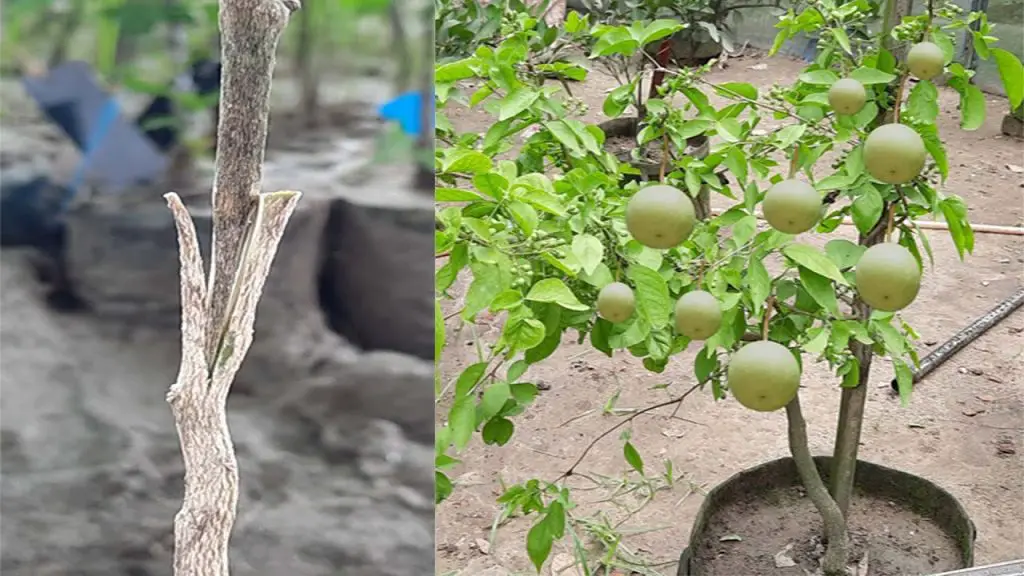
Grafting is an ancient technique used to propagate plants, and it’s particularly popular for fruit trees like Wood Apple (also known as Bael). The ‘V’ grafting technique is a method that has gained popularity due to its simplicity and high success rate, sometimes achieving a 100% success rate when done correctly. In this article, we will walk you through the steps of performing a ‘V’ grafting on Wood Apple and the expected results.
What is ‘V’ Grafting?
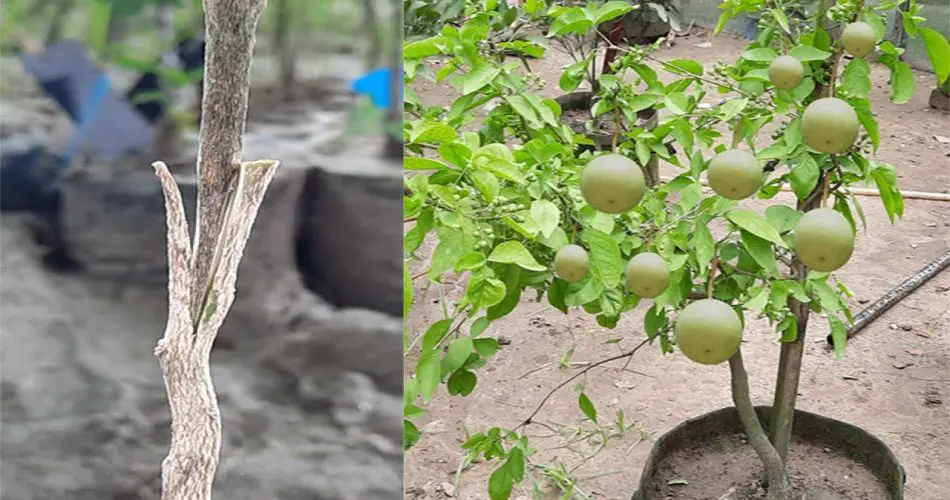
The ‘V’ grafting technique is a type of cleft grafting where a ‘V’-shaped cut is made on both the rootstock and the scion (the plant piece you want to propagate). The two pieces are then joined together in such a way that the cambium layers of both parts come into direct contact, encouraging them to fuse and grow together.
This method is particularly useful for Wood Apple because the plant’s hardwood can sometimes be difficult to graft with traditional methods. The ‘V’ shape allows for a secure and stable union, which greatly increases the likelihood of successful grafting.
Materials Needed for ‘V’ Grafting
Before starting, make sure you have the following materials:
- Wood Apple rootstock (the plant that will serve as the base)
- Wood Apple scion (the piece of wood or branch that you want to graft)
- Sharp grafting knife or pruning shears
- Grafting tape or parafilm
- Grafting wax or sealant (optional)
- Rubbing alcohol (for sterilizing tools)
- Grafting compound (optional, but recommended for a better seal)
Step-by-Step Guide to ‘V’ Grafting Wood Apple
Step 1: Prepare the Rootstock and Scion
- Choose healthy rootstock: Select a healthy Wood Apple rootstock that is of an appropriate size to support the scion. The rootstock should be 1 to 2 years old, with a healthy growth habit.
- Select a scion: The scion should be a healthy Wood Apple cutting. Choose a piece that has several buds and is approximately the same size in diameter as the rootstock. It should also be firm and not too old or woody.
Step 2: Make the ‘V’ Shaped Cuts
- Cut the rootstock: Using a sharp knife, make a ‘V’ shaped cut at the top of the rootstock. The cut should be approximately 1.5 to 2 inches deep, with clean edges that allow the scion to fit perfectly.
- Prepare the scion: Similarly, make a ‘V’ shaped cut at the bottom of the scion. The cut should match the ‘V’ cut on the rootstock, ensuring both pieces can align seamlessly. The angles of the cuts should be 45 degrees to ensure a snug fit.
Step 3: Join the Rootstock and Scion
- Carefully place the scion into the ‘V’ shaped cut of the rootstock. Align the cambium layers (the thin layer just beneath the bark) of both pieces as closely as possible. This is crucial for the success of the graft, as the cambium layers must touch for successful fusion.
Step 4: Secure the Graft
- Once the scion and rootstock are aligned, use grafting tape or parafilm to wrap around the union. This helps to hold the pieces together and prevents air from entering. The wrap should be tight but not too tight to allow the graft to heal.
- You can also apply grafting wax or a sealant around the graft to protect it from moisture loss and pests. Ensure the sealant is applied around the graft area but does not cover the buds of the scion.
Step 5: Care for the Graft
- Place the grafted Wood Apple in a shaded location with high humidity to reduce stress on the plant. Keep the plant in a protected environment for a few weeks to allow the graft to establish itself.
- Water regularly but avoid over-watering. Keep the soil moist but not soggy.
- After about 2-3 weeks, you should start to see signs of successful growth such as leaf development or the scion showing signs of new shoots.
Step 6: Monitor and Unwrap the Graft
- Keep monitoring the graft for signs of success, such as tissue fusion and new growth. Once the graft has healed (typically after 4-6 weeks), you can begin to slowly unwrap the grafting tape.
- If the graft is successful, the scion will continue to grow, and the rootstock will support the new growth, leading to a healthy, strong Wood Apple tree.
Results and Success Rate
When performed correctly, the ‘V’ grafting technique can produce a 100% success rate for Wood Apple trees. The key factors for success include:
- Proper alignment of cambium layers between the rootstock and scion
- Ensuring that the cuts are clean and precise
- Keeping the graft in a suitable environment with enough humidity and protection from direct sunlight
With this technique, you can propagate Wood Apple trees quickly and effectively, allowing you to enjoy the fruits of your labor sooner. Plus, the tree will often be more vigorous and disease-resistant, thanks to the strong graft union.
Conclusion
The ‘V’ grafting technique for Wood Apple is an efficient and reliable method of propagation, especially for those looking to achieve 100% success. By following the steps outlined in this article, you can create a healthy Wood Apple tree with a strong root system and abundant fruit. With practice, you’ll be able to successfully propagate this tropical tree and enjoy its delicious fruits for years to come.
Happy grafting!