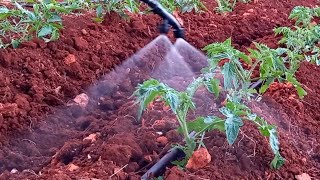
Using insecticides effectively requires proper timing to ensure the best results and minimize harm to beneficial insects and the environment. Here’s a guide on when to spray insecticides:
Best Times to Spray Insecticides:
- Early Morning or Late Afternoon:
- Why: These times are cooler and less windy, reducing the risk of evaporation and drift. Beneficial insects like bees are less active, minimizing their exposure.
- Tip: Aim to spray between dawn and 9 AM or late in the afternoon when temperatures are lower.
- When Insects Are Most Active:
- Why: Targeting insects when they are most active ensures maximum effectiveness.
- Tip: Research the active times for specific pests (e.g., aphids are often active during early morning).
- Dry Weather:
- Why: Rain can wash away insecticides, reducing their effectiveness.
- Tip: Check the weather forecast and avoid spraying if rain is expected within 24 hours.
Seasonal Considerations:
- Spring:
- Why: Early spring is an ideal time to tackle insects before they reproduce.
- Tip: Focus on early intervention to control pest populations.
- Summer:
- Why: Insects are most active during warm months.
- Tip: Increase monitoring and apply insecticides as needed, following early morning or late afternoon guidelines.
- Fall:
- Why: Some pests prepare to overwinter, so targeting them can reduce future infestations.
- Tip: Continue monitoring and treat areas where pests are likely to hide.
Avoid Spraying:
- During Blooming Periods:
- Why: To protect pollinators like bees that are crucial for pollination.
- Tip: If necessary, choose insecticides that are less harmful to bees and apply them when bees are not active.
- High Wind Conditions:
- Why: Wind can cause insecticides to drift, affecting non-target areas and organisms.
- Tip: Wait for calm weather conditions before spraying.
Safety Tips:
- Protective Gear:
- Why: Insecticides can be harmful to humans and pets.
- Tip: Wear gloves, long sleeves, and a mask to minimize exposure.
- Follow Instructions:
- Why: Overuse or incorrect application can be ineffective or harmful.
- Tip: Read and follow the manufacturer’s instructions carefully.
- Environmental Considerations:
- Why: To reduce the impact on beneficial insects and the environment.
- Tip: Use eco-friendly insecticides and consider integrated pest management (IPM) strategies.
By understanding when to spray insecticides, you can effectively manage pests while protecting beneficial insects and the environment.
Show Comments