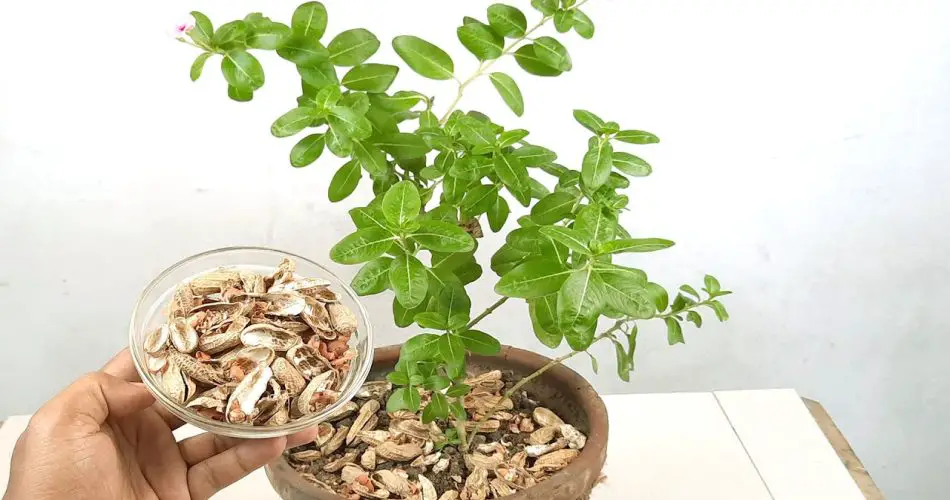
Peanut shells, often discarded as waste, are actually a treasure for gardeners. These natural materials can enhance soil health, improve plant growth, and reduce waste. Here’s how to effectively utilize peanut shells in your gardening endeavors!
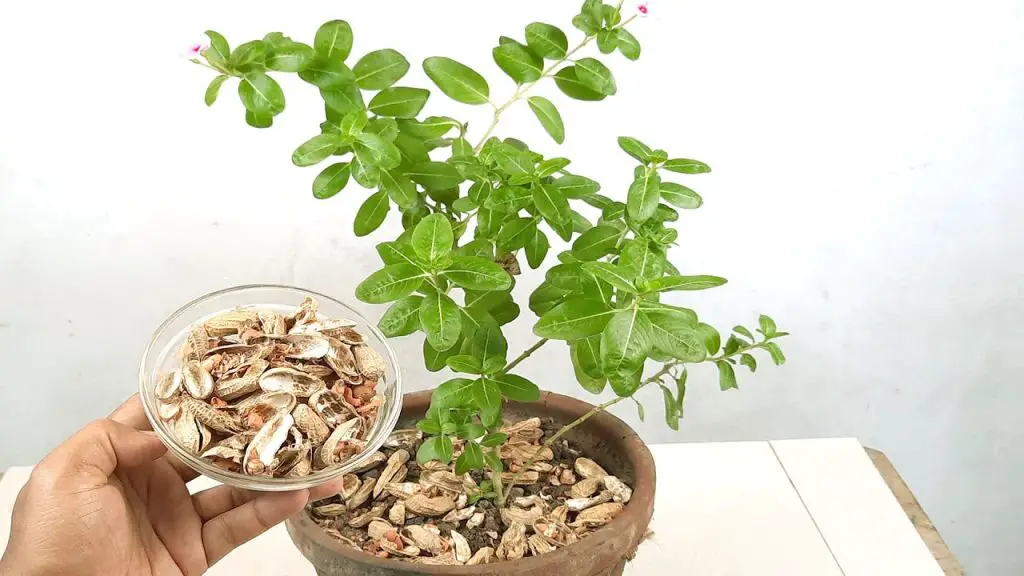
Benefits of Using Peanut Shells
- Organic Mulch: Peanut shells serve as a great mulching material, helping to retain soil moisture and suppress weeds.
- Soil Amendment: As they decompose, peanut shells add organic matter to the soil, improving its structure and aeration.
- Nutrient-Rich: They contain essential nutrients like nitrogen and potassium, promoting healthy plant growth.
- Pest Deterrent: The texture of peanut shells can deter some pests, helping to protect your plants.
How to Use Peanut Shells in Your Garden
1. Collecting Peanut Shells
- Gather Shells: After enjoying peanuts, collect the shells. Make sure they are clean and free of salt or any additives.
2. Preparing the Shells
- Break Them Down: For quicker decomposition, crush or chop the shells into smaller pieces. This increases the surface area for microbes to break them down.
3. Using as Mulch
- Apply to Soil: Spread a layer of peanut shells around your plants. This mulch layer should be about 2-3 inches thick.
- Benefits of Mulching: This will help retain moisture, regulate soil temperature, and suppress weeds effectively.
4. Mixing with Compost
- Add to Compost Pile: Incorporate peanut shells into your compost bin. They are considered a brown material, adding carbon to the mix.
- Balancing Ingredients: Ensure you have a balance of green (nitrogen-rich) and brown materials in your compost for optimal decomposition.
5. Enhancing Soil
- Soil Amendment: Mix crushed peanut shells directly into the soil before planting. This will improve soil structure and drainage.
- Application: Work the shells into the top few inches of soil where you want to plant your flowers or vegetables.
6. Using in Planters
- Drainage Layer: Place peanut shells at the bottom of pots or planters to enhance drainage and prevent soil from washing out.
- Aeration: This will also provide aeration to the roots, promoting healthy growth.
7. Creating Peanut Shell Tea
- Nutrient Tea: Soak peanut shells in water for a few days to create a nutrient-rich liquid fertilizer.
- Application: Use this tea to water your plants, providing them with essential nutrients.
Conclusion
Using peanut shells in gardening is an easy and beneficial practice that reduces waste while enhancing your garden’s health. Whether as mulch, a compost ingredient, or a soil amendment, peanut shells offer numerous advantages for gardeners looking to improve their soil and plant growth. Next time you snack on peanuts, don’t throw away those shells—put them to work in your garden!
Show Comments