Certainly! Here are ten ingenious methods to propagate plants at home:

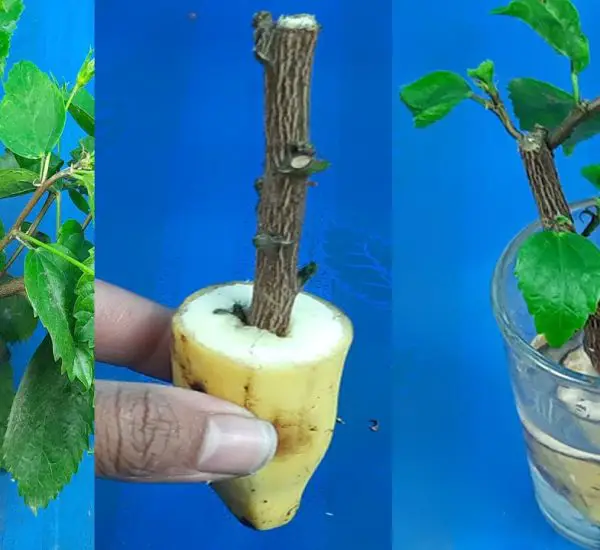
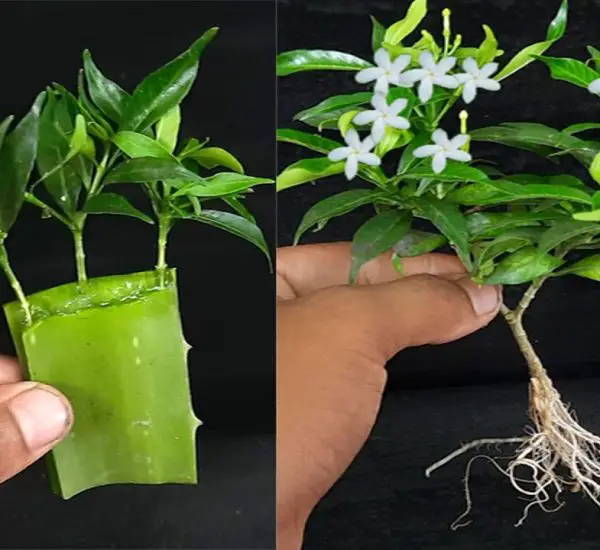
- Water Propagation: Place cuttings of your favorite plants in water-filled containers. Roots will develop over time, allowing you to transplant them into soil once they’re established.
- Leaf Cuttings: Take healthy leaves from plants such as succulents or African violets and place them on moist soil. Roots will sprout from the leaf’s base, eventually forming new plants.
- Division: Divide mature plants into smaller sections, each with its own roots and stems. This method works well for plants like ferns, hostas, and spider plants.
- Air Layering: Encourage roots to form on a plant’s stem by making a small incision and wrapping it with moist sphagnum moss or rooting hormone. Once roots develop, you can cut the stem and plant it separately.
- Grafting: Join two different plant species together to create a hybrid with desirable traits. This technique is commonly used for fruit trees and roses.
- Offsets: Some plants, like spider plants and certain succulents, produce offsets or “pups” that can be separated and replanted to grow into new plants.
- Bulb Propagation: Divide bulbs, such as tulips or daffodils, into smaller sections and plant them individually to produce new plants.
- Rhizome Division: Separate rhizomes, underground stems, from parent plants like iris or ginger, and replant them to grow into new plants.
- Tissue Culture: Extract small pieces of plant tissue and culture them in a nutrient-rich medium to produce multiple clones of the parent plant.
- Seed Propagation: Collect seeds from mature plants and sow them in suitable soil conditions. With proper care, these seeds will germinate and grow into new plants.
By experimenting with these creative propagation methods, you can expand your plant collection and enjoy the satisfaction of nurturing new life in your home.
Show Comments