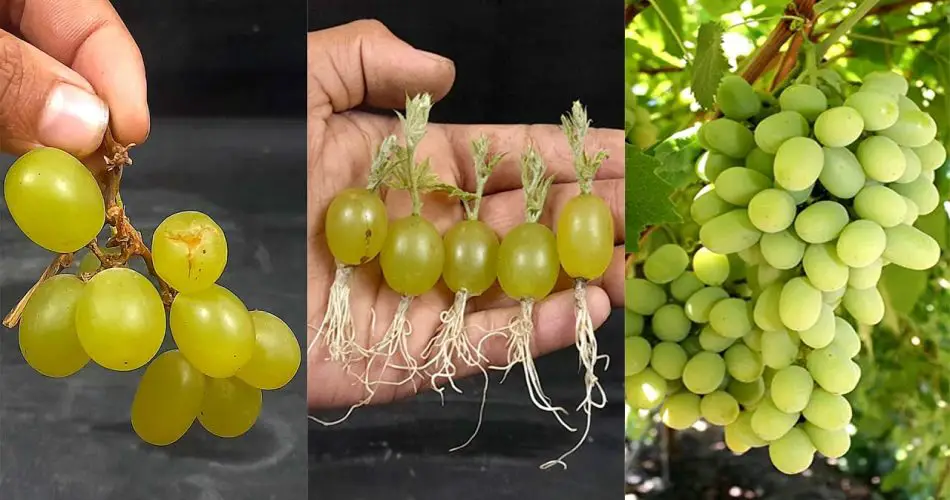
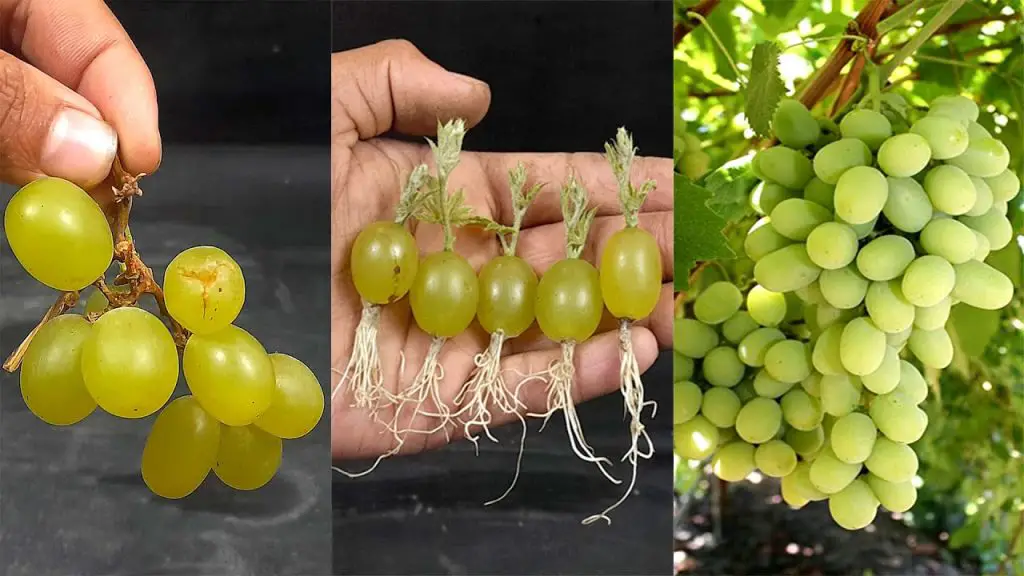
Are you eager to grow your own grape tree but don’t have space for a full vineyard? No worries! With a simple technique, you can propagate grapevines using water. This method is easy, cost-effective, and allows you to enjoy fresh grapes right from your own home or garden. Let’s dive into how to propagate grape trees with water!
Why Propagate Grapes in Water?
Grape trees (or vines) are a popular choice for home gardeners due to their versatility and the delicious fruit they produce. The water propagation method is a fantastic way to grow a grapevine from a cutting, even if you don’t have experience with gardening.
Here’s why you should consider this method:
- Cost-Effective: You don’t need to buy expensive grapevine seedlings.
- Simple Process: The method is easy to follow and requires minimal tools.
- Root Development: Growing the cutting in water helps promote the development of strong, healthy roots.
- Space-Saving: This method allows you to grow grapes even in small spaces, such as a balcony or windowsill.
Materials Needed to Propagate Grapes with Water:
Before you get started, gather the following materials:
- Healthy grapevine cutting (4-6 inches in length)
- Sharp pruning shears or a knife
- Clear glass container (such as a jar or vase)
- Clean water (preferably distilled or rainwater)
- Rooting hormone (optional, but can help boost root growth)
- A sunny spot with indirect light
Step-by-Step Guide to Propagate Grape Trees in Water
Step 1: Take a Healthy Grapevine Cutting
To begin, choose a healthy grapevine from a mature plant. Select a branch that is 4-6 inches long, preferably with a few buds or nodes along the stem. Use sharp pruning shears or a knife to cut the stem just below a node (the small bump where leaves or branches grow).
- Ensure that the cutting is free from pests or diseases, and remove any leaves from the bottom half of the stem.
Step 2: Prepare the Cutting for Water Propagation
- If you want to accelerate the rooting process, you can dip the cut end of the stem into rooting hormone. This step is optional but can help stimulate stronger root growth.
- Place the cut end of the vine into a clear glass container filled with clean water. Make sure the bottom of the cutting is fully submerged in the water, but avoid letting the leaves touch the water to prevent rotting.
Step 3: Place the Cutting in a Sunny Spot
Now that the cutting is in water, place the container in a spot that receives bright, indirect sunlight. Avoid direct sunlight, as it can cause the water to evaporate too quickly or stress the cutting.
- The ideal temperature for root development is around 65-75°F (18-24°C).
- Make sure the cutting is stable in the water, and you can use a small stick or support to keep the cutting upright if necessary.
Step 4: Maintain the Water Level and Change Regularly
As your grapevine cutting starts to grow, be sure to maintain the water level in the container. The water should cover the bottom part of the stem, but don’t let the cutting dry out. It’s essential to change the water regularly—about once a week—to keep it fresh and free from bacteria.
- Fresh water encourages healthy root development, while stagnant water can hinder the rooting process.
Step 5: Wait for Roots to Develop
With proper care, you should begin to see roots sprouting from the cutting within 2-3 weeks. The roots will first appear as tiny white fibers, and as time passes, they will grow stronger and longer.
- Patience is key during this phase. It may take a few weeks for the roots to grow strong enough to support the cutting. Make sure the cutting is always in fresh water during this time.
Step 6: Transplant the Grapevine Cutting into Soil
Once the roots are strong and well-established, usually after 4-6 weeks, it’s time to transfer the cutting into soil.
- Choose a well-draining potting mix or soil to plant the rooted grapevine.
- Transplant the cutting into a small pot or garden bed, ensuring the roots are gently spread out in the soil.
- Water the plant well after transplanting, and continue to provide it with bright, indirect sunlight.
Tips for Success:
- Rooting hormone: Using rooting hormone can help the cutting develop roots faster and more effectively.
- Clear container: A clear container allows you to monitor the root growth without disturbing the cutting.
- Proper water: Always use clean, non-chlorinated water for the best results. Tap water may contain chemicals that can hinder root development.
- Temperature: Keep the cutting in a warm spot for optimal growth. Avoid placing it in a location with extreme heat or cold.
- Don’t rush: Be patient and wait until the roots are established before transplanting to avoid transplant shock.
Conclusion
Propagating grape trees with water is an easy and rewarding way to grow your own grapevine at home. Whether you’re looking to grow grapes for fresh fruit, or simply enjoy the beauty of grapevines, this method allows you to propagate your own plants with minimal effort. With just a few simple steps and some patience, you can successfully grow your own grape tree and eventually harvest your own delicious grapes.
By following the steps outlined above, you’ll be able to create your own small vineyard from a simple cutting. Happy gardening, and enjoy the fruits of your labor!