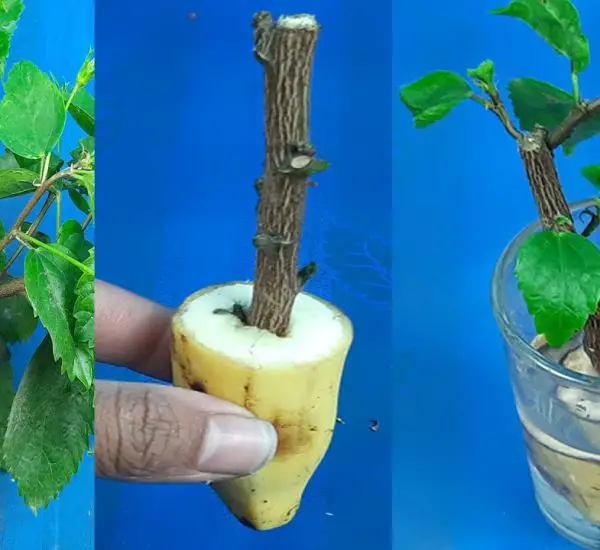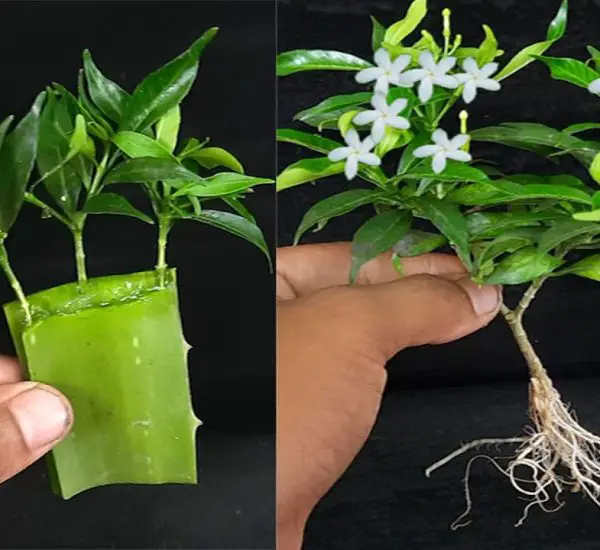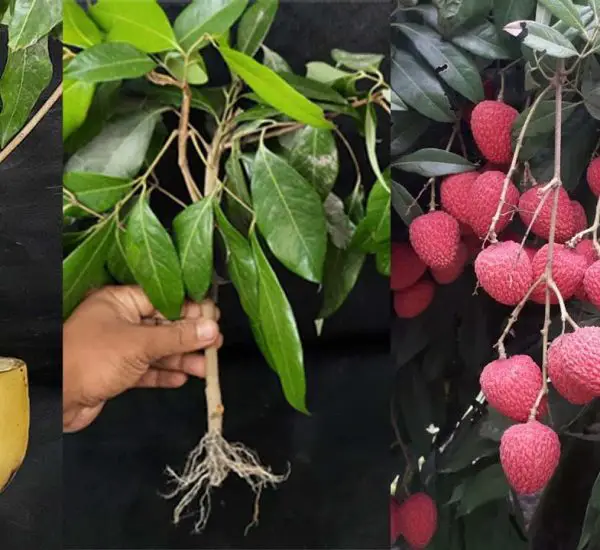
Mandarin plants, beloved for their vibrant foliage and easy maintenance, can be propagated from leaves with relative ease. Whether you’re a seasoned gardener or a newcomer to plant propagation, this method offers a rewarding way to expand your plant collection. Similarly, propagating Alocasia Polly, known for its striking arrow-shaped leaves and compact size, follows a similar process and can yield impressive results. Here’s how you can propagate these plants step-by-step:
Mandarin Plant Propagation from Leaves
Materials Needed:
- Healthy mandarin plant with mature leaves
- Clean, sharp knife or scissors
- Small pots or containers
- Potting mix suitable for citrus plants
- Clear plastic bags or plastic wrap
- Spray bottle with water
Step-by-Step Guide:
- Selecting and Preparing Leaves:
- Choose a healthy mandarin plant with mature leaves. Look for leaves that are not damaged or diseased.
- Carefully remove a healthy leaf from the plant. Use a clean, sharp knife or scissors to make a clean cut at the base of the leaf, ensuring you include some of the petiole (leaf stem).
- Preparing for Propagation:
- Fill small pots or containers with a well-draining potting mix suitable for citrus plants. Moisten the soil slightly so it is lightly damp but not soggy.
- Inserting the Leaf:
- Make a small hole in the soil using your finger or a pencil.
- Gently insert the cut end of the leaf stem (petiole) into the soil, ensuring that the bottom of the leaf is just above the soil surface.
- Creating a Mini Greenhouse:
- Cover the pot with a clear plastic bag or plastic wrap to create a mini greenhouse environment. This helps to maintain humidity around the cutting.
- Alternatively, you can use a small propagator or a clear plastic container to achieve the same effect.
- Caring for the Cutting:
- Place the pot in a warm, bright location but out of direct sunlight. Indirect light is ideal for encouraging root growth.
- Check the soil moisture regularly and mist the cutting with water from a spray bottle as needed to keep the soil lightly moist.
- Root Development:
- After a few weeks, check for signs of root development by gently tugging on the leaf. If you feel resistance, roots have likely formed.
- Once roots are established, you can gradually acclimate the new plant to normal indoor conditions by increasing exposure to light and reducing humidity.
- Transplanting:
- When the new plant has developed a few sets of leaves and a healthy root system, it can be transplanted into a larger pot with standard citrus potting mix.
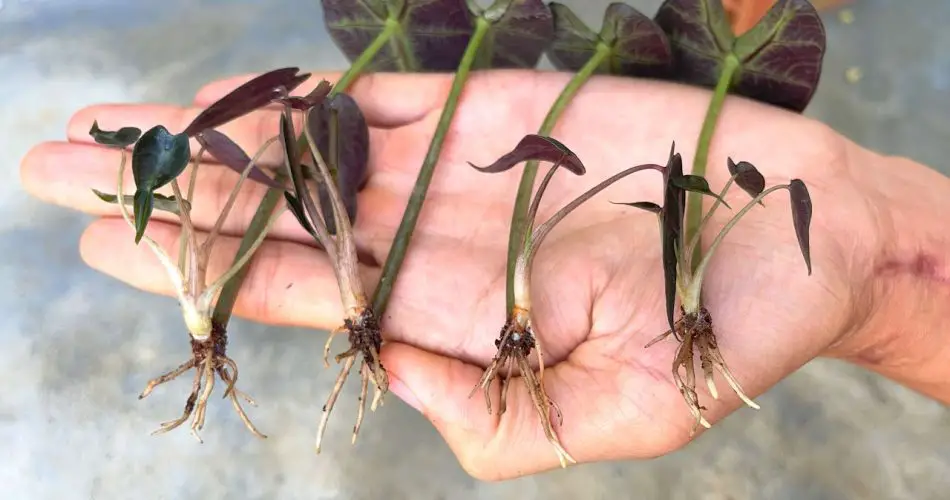
Alocasia Polly Propagation
Propagation of Alocasia Polly follows a similar process, with a focus on its unique requirements:
- Select a Healthy Plant: Choose a healthy Alocasia Polly plant with mature, undamaged leaves.
- Cutting and Planting: Cut a healthy leaf with a sharp, sterile knife, making sure to include a portion of the leaf stem.
- Plant in Suitable Medium: Plant the cutting in a well-draining potting mix appropriate for Alocasia species.
- Maintain Humidity: Keep the cutting in a humid environment by covering with a plastic bag or using a propagation dome until roots develop.
- Careful Transition: Once roots have formed, gradually acclimate the new plant to normal indoor conditions, providing bright, indirect light and appropriate watering.
Both mandarin plants and Alocasia Polly can be rewarding to propagate from leaves, offering a cost-effective and enjoyable way to expand your indoor garden. By following these steps and providing proper care, you can successfully propagate these plants and enjoy watching them thrive in your home.