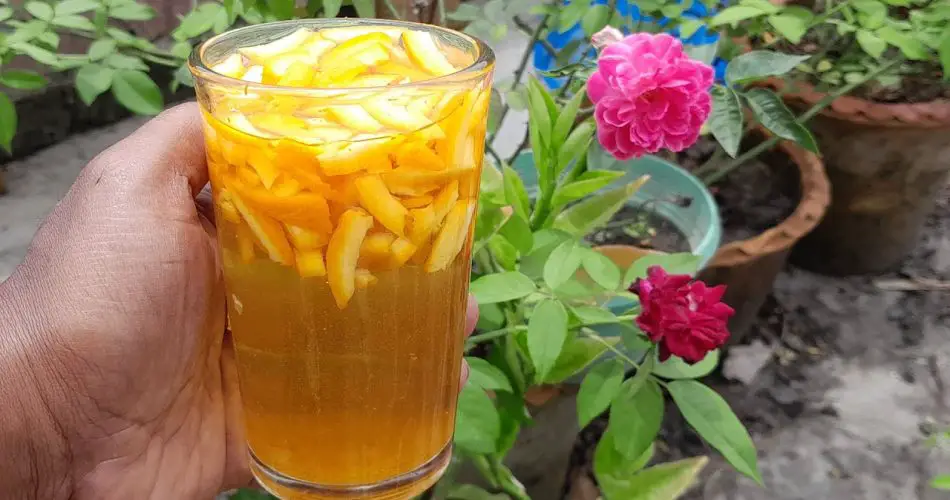
Orange peel, a commonly discarded waste product, is a powerful natural fertilizer for plants. It contains important nutrients such as potassium, phosphorus, and calcium, which are essential for plant growth. By utilizing orange peel fertilizer, you can enrich your garden soil and help your plants thrive. In this article, we will show you how to make orange peel liquid fertilizer, a simple and eco-friendly way to boost plant health and promote vibrant growth.
Why Use Orange Peel Fertilizer for Plants?
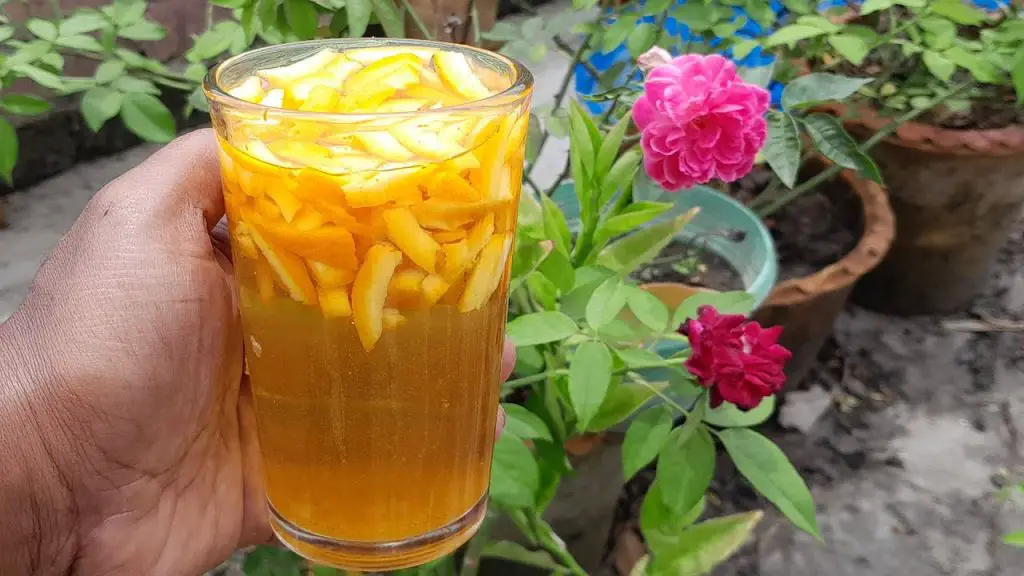
Orange peels are packed with several key nutrients that can greatly benefit your plants:
- Potassium: An essential nutrient for improving flower production and fruiting in plants.
- Calcium: Helps strengthen cell walls, reducing the risk of diseases like blight.
- Phosphorus: Promotes root development and overall plant vitality.
- Citrus oils: These can act as natural pesticides to deter certain pests from attacking your plants.
Using orange peel fertilizer not only improves plant growth but also helps reduce waste, making it an environmentally friendly choice for your garden.
How to Make Orange Peel Liquid Fertilizer
Ingredients You Will Need:
- Orange peels (from 2-3 oranges)
- Water (1 liter)
- A large container or jar for soaking the peels
- Strainer (optional)
Step-by-Step Instructions:
- Prepare the Orange Peels:
- Start by peeling 2-3 oranges. You can use the peels fresh or let them dry out for a few days if you prefer. The drier the peels, the stronger the liquid fertilizer will be.
- Soak the Peels in Water:
- Place the orange peels in a container or jar. Pour 1 liter of water over the peels, ensuring that they are fully submerged.
- Leave the mixture to soak for 3-5 days. The longer you let the peels sit, the more nutrients will leach into the water.
- Strain the Mixture:
- After the soaking period, strain the liquid to remove the peels. You can use a fine sieve or cheesecloth to filter out any remaining solid bits.
- Dilute the Liquid:
- If you prefer a less concentrated solution, you can dilute the liquid with an additional liter of water. This ensures the fertilizer is gentle enough for most plants and won’t harm them.
- Store or Use Immediately:
- The orange peel liquid fertilizer can be used immediately or stored in a sealed container for future use. If you’re storing it, make sure to keep it in a cool, dark place.
How to Use Orange Peel Liquid Fertilizer for Plants
- Indoor Plants: Water your indoor plants with the orange peel liquid fertilizer once every two weeks to boost their growth. The nutrients from the orange peels will help them flourish, especially during the growing season.
- Outdoor Plants: For outdoor plants, spray the fertilizer directly onto the soil around the roots and the plant foliage. Be sure to apply it early in the morning or late in the evening to prevent any risk of sunburn.
- Fruit Trees: Orange peel fertilizer can be especially beneficial for fruit trees. The potassium and phosphorus will encourage stronger root systems and enhance fruit production.
Benefits of Orange Peel Fertilizer for Plants
- Promotes Healthy Growth: The nutrients in the orange peel liquid fertilizer help plants grow strong and healthy, leading to better yields and more vibrant foliage.
- Improves Soil Health: Orange peel fertilizer can help enrich the soil by increasing its nutrient content and promoting microbial activity.
- Natural Pest Repellent: The citrus oils in orange peels can act as a natural pesticide, deterring insects like aphids and ants.
- Environmentally Friendly: By using orange peels that would otherwise go to waste, you’re making an eco-friendly choice to nourish your garden.
Additional Tips for Using Orange Peel Fertilizer:
- Compost the Remaining Peels: After using the liquid fertilizer, you can compost the leftover orange peels. They’ll break down and add even more nutrients to your soil.
- Avoid Over-application: While orange peel fertilizer is great for plants, avoid over-applying it, as it can lead to an imbalance in soil nutrients.
- For Acid-Loving Plants: Orange peels are slightly acidic, so they work especially well for acid-loving plants like azaleas, gardenias, and blueberries.
Conclusion
Using orange peel fertilizer is a natural, cost-effective, and sustainable way to boost the health of your plants. By turning your kitchen waste into a nourishing liquid fertilizer, you’re enhancing plant growth while reducing your environmental footprint. Whether you’re growing indoor plants, fruit trees, or outdoor gardens, orange peel fertilizer can provide the nutrients needed for stronger, healthier plants. Try making your own today and see the results for yourself!