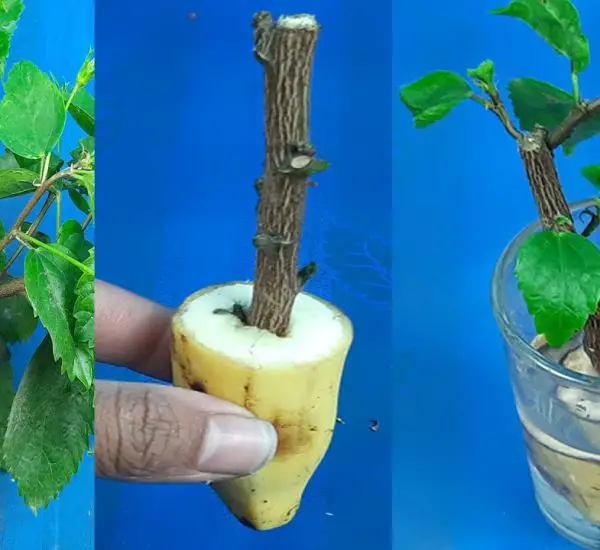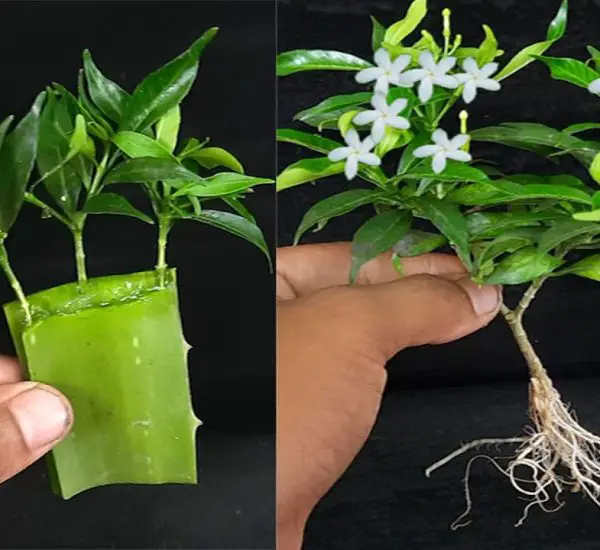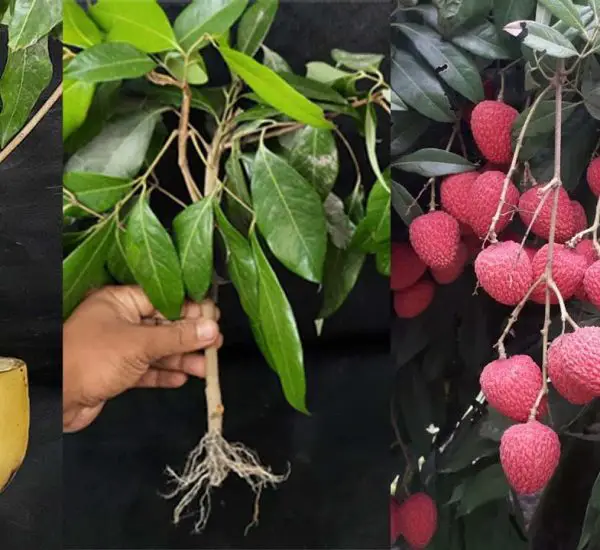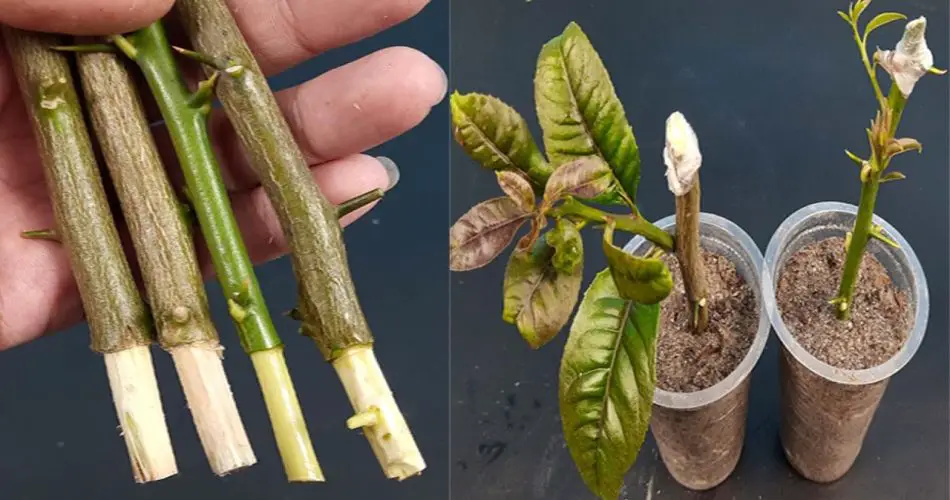
Growing a lemon tree from cuttings is a rewarding and cost-effective way to expand your garden with this vibrant and fruit-bearing tree. If you don’t have space for a full-grown lemon tree or simply want to propagate your existing tree, rooting lemon cuttings is a simple process that yields great results. In this article, we will guide you step-by-step on how to grow a lemon plant from a cutting and enjoy homegrown lemons in no time!
Why Grow Lemon Trees from Cuttings?
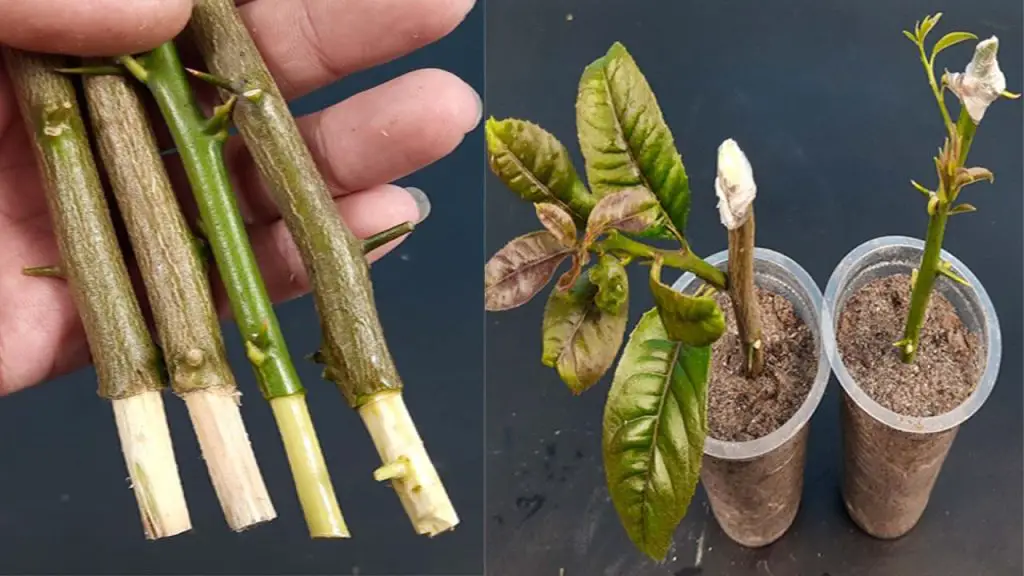
- Faster Fruit Production: Growing a lemon tree from a cutting will often produce fruit much quicker than planting from seed, usually within 2-3 years instead of the typical 5 years.
- Clonal Propagation: Cuttings allow you to propagate an exact replica of the parent tree, ensuring that the fruit quality remains the same.
- Easy and Cost-Effective: Propagating lemon trees from cuttings is a budget-friendly method to increase the number of trees in your garden without needing to purchase new plants.
Step-by-Step Guide to Growing Lemon Trees from Cuttings
Materials You Will Need:
- A healthy lemon tree for cuttings
- A sharp sterilized knife or pruners
- Rooting hormone (optional but recommended)
- Small pots with drainage holes
- Well-draining potting soil
- Plastic bag or clear plastic cover
- Water
- Scissors (optional)
Step 1: Select a Healthy Cutting
- Choose a healthy lemon tree with no signs of disease or pests.
- Look for a semi-woody stem that is about 4-6 inches in length and has at least 2-3 nodes (the small bumps where leaves and roots form).
- Remove any leaves from the lower half of the cutting to ensure that only the upper part of the stem is left for planting.
Step 2: Prepare the Cutting
- Using your sharp, sterilized knife or pruners, cut just below a node at a slight angle to increase the chances of root growth.
- Optional: Dip the cut end of the stem in rooting hormone to stimulate faster root development. This can be especially helpful for beginners, though it is not mandatory.
Step 3: Plant the Cutting in Soil
- Fill a small pot with well-draining potting soil. A mix of perlite and potting mix works well for lemon cuttings.
- Insert the cut end of the lemon cutting about 2-3 inches into the soil.
- Gently firm the soil around the cutting to hold it upright and provide stability.
Step 4: Create a Humid Environment
- To increase humidity around the cutting, cover it with a plastic bag or a clear plastic cover. This will create a mini greenhouse effect, maintaining moisture and warmth to encourage root growth.
- Ensure that the plastic does not touch the cutting directly. You can prop the plastic up with sticks or skewers if necessary.
- Place the pot in a location with bright, indirect light but not direct sunlight, as it can scorch the cutting.
Step 5: Water and Maintain Conditions
- Keep the soil moist but not waterlogged. Check the cutting regularly for signs of dehydration or rotting.
- Mist the cutting lightly with water if the air is too dry, but avoid soaking the soil.
- Keep the plastic covering on for 2-3 weeks, and check periodically to ensure that the cutting is not developing mold or fungus.
Step 6: Rooting and Transplanting
- After about 2-3 weeks, you should notice roots developing at the base of the cutting. Gently tug on the cutting to check if it resists, which indicates that the roots are growing.
- Once roots are established, remove the plastic cover and allow the cutting to adjust to normal air humidity.
- Transplant the rooted cutting into a larger pot or directly into your garden, depending on your space.
Caring for Your Lemon Tree
Once your lemon tree cutting has rooted and established itself, it’s important to care for it properly:
- Watering: Keep the soil consistently moist but well-drained. Avoid letting the tree sit in water, as this can lead to root rot.
- Sunlight: Place your lemon tree in a spot with plenty of bright sunlight for at least 6 hours a day. Lemons thrive in full sun.
- Fertilizing: Use a balanced fertilizer every 2-3 months during the growing season to encourage healthy growth and fruiting.
- Pruning: Prune your lemon tree regularly to encourage a bushy shape and remove any dead or damaged growth.
Tips for Success:
- Choose the Right Time: The best time to take lemon cuttings is in late spring or early summer, when the plant is actively growing.
- Use a Rooting Medium: You can also root lemon cuttings in water before transferring them to soil. Simply place the cutting in a glass of water, making sure that the node is submerged, and wait for roots to form before planting.
- Patience is Key: It may take several weeks for your cutting to root and start growing. Be patient and avoid disturbing the cutting too much.
Conclusion
Growing a lemon tree from cuttings is a rewarding process that allows you to propagate your favorite varieties of lemons at home. With a bit of patience and proper care, you can enjoy homegrown lemons in just a few years. By following these simple steps and maintaining the right growing conditions, you’ll soon have a thriving lemon tree ready to bear fruit. Whether you’re growing it in a pot or in the garden, a lemon tree is a great addition to any home!