If you’re looking to enhance your home gardening experience, consider the benefits of using calcium fertilizer. Calcium is an essential nutrient that plays a crucial role in plant health, supporting strong cell walls, root development, and overall growth. Here’s how you can effectively use calcium to grow healthy plants at home.
Why Calcium is Essential for Plants
Calcium is vital for several reasons:
- Cell Structure: It helps strengthen cell walls, making plants more resilient to diseases and environmental stress.
- Root Development: Calcium promotes healthy root growth, ensuring better nutrient absorption.
- Nutrient Uptake: It aids in the movement of other nutrients within the plant, enhancing overall nutrient efficiency.
Types of Calcium Fertilizers
There are several types of calcium fertilizers you can use:
- Calcium Carbonate: Commonly known as lime, it raises soil pH and adds calcium.
- Gypsum: Provides calcium without altering soil pH, making it suitable for acidic soils.
- Calcium Nitrate: A fast-acting source of calcium and nitrogen, ideal for leafy greens.
How to Use Calcium Fertilizer at Home
1. Test Your Soil
Before applying calcium, it’s essential to know your soil’s current nutrient levels. Use a soil testing kit to determine if calcium is needed and at what levels.
2. Choose the Right Fertilizer
Based on your soil test, select the appropriate type of calcium fertilizer. For example:
- If your soil is too acidic, consider calcium carbonate.
- If pH is balanced, gypsum might be the best choice.
3. Application Methods
There are several ways to apply calcium fertilizer:
- Broadcasting: Spread the granules evenly over the soil surface and lightly till them in.
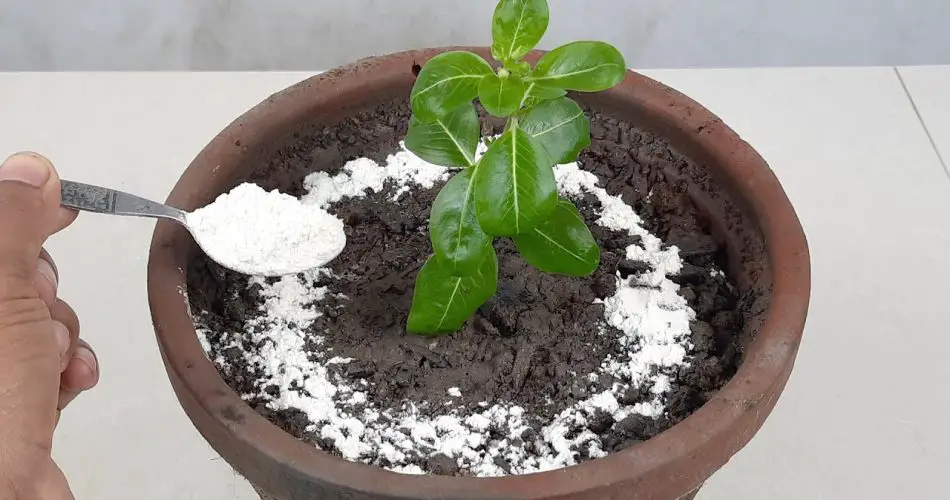
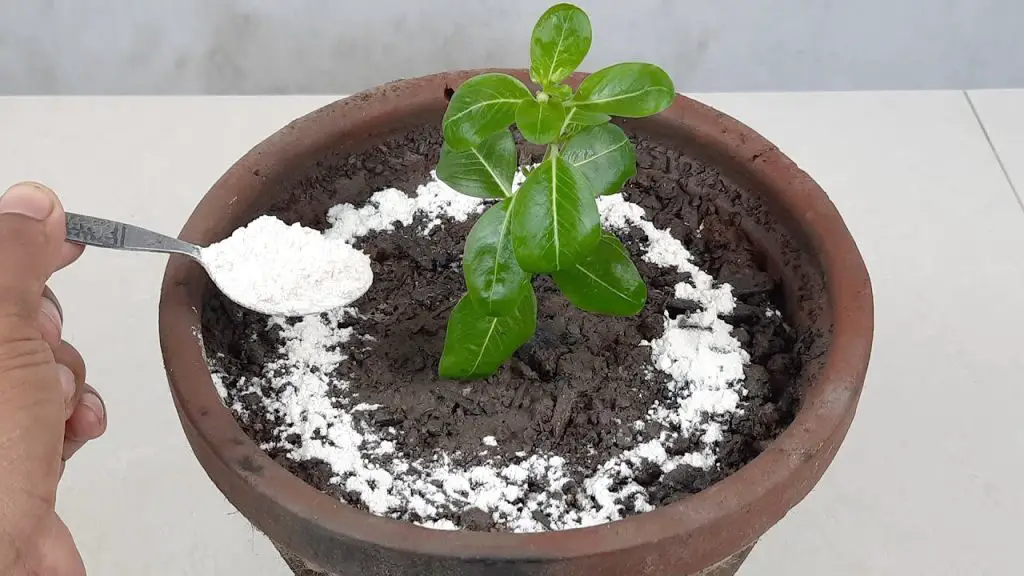
- Top-Dressing: Apply a layer of calcium fertilizer around the base of your plants, being careful not to disturb the roots.
- Liquid Application: Mix calcium nitrate with water and apply it as a foliar spray or soil drench for quick absorption.
4. Timing
The best times to apply calcium fertilizer are:
- Spring: Before planting to prepare the soil.
- During Growth: As needed throughout the growing season, especially for fruiting and flowering plants.
5. Monitor Plant Health
Keep an eye on your plants for signs of calcium deficiency, such as:
- Blossom End Rot: Common in tomatoes and peppers, it appears as dark spots on the bottom of the fruit.
- Stunted Growth: If your plants are not growing as expected, it may be due to insufficient calcium.
Additional Tips for Success
- Watering: Ensure consistent watering practices, as calcium availability can be affected by soil moisture.
- Companion Planting: Some plants, like legumes, can help improve calcium levels in the soil naturally.
Conclusion
Incorporating calcium fertilizer into your home gardening routine can lead to healthier, more resilient plants. By understanding the importance of calcium and following these application tips, you can create an optimal growing environment that supports robust plant development. Embrace this new way to cultivate your garden and watch your plants thrive!