Grafting is a common horticultural technique used to propagate fruit trees, and when done correctly, it can produce a healthy, productive plant. Among fruit trees, mango trees are particularly popular for grafting due to their sweet fruit and resilience. In this article, we’ll explore a new grafting technique for mango seeds that guarantees 100% success, even for beginners. Whether you want to grow your own mango tree or propagate a specific variety, this method will set you up for success.
Why Graft Mango Trees?
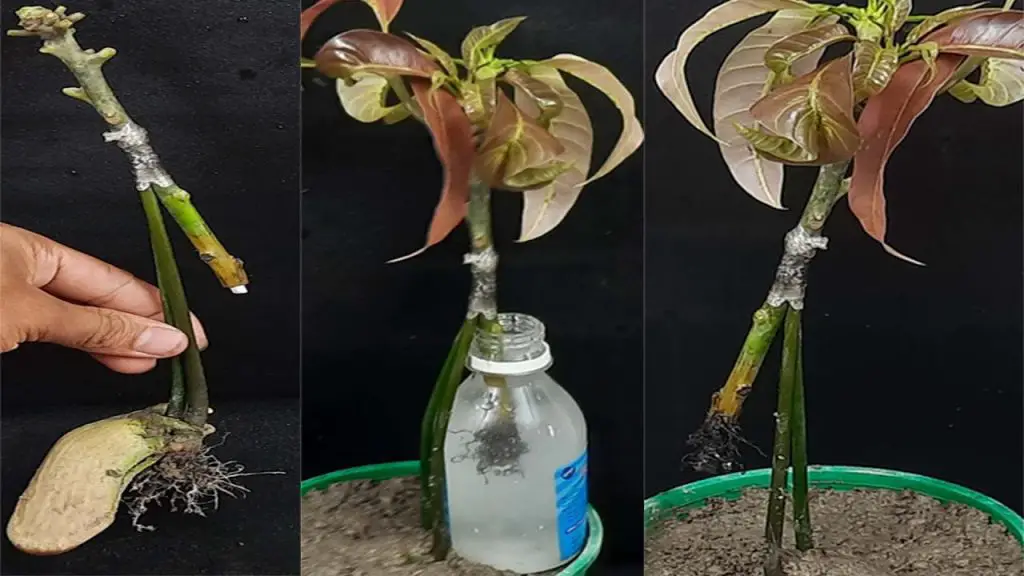
Grafting offers several benefits over growing mango trees from seeds:
- Faster fruit production: Grafted mango trees typically bear fruit faster than those grown from seed.
- Genetic consistency: Grafting ensures that the fruit produced by the tree will be identical to the parent tree, maintaining its quality.
- Improved disease resistance: Grafted trees are often more resistant to diseases and pests, leading to healthier growth.
What You Need for Mango Seed Grafting:
Before you start grafting, gather the necessary materials:
- Mango seedling (this will be your rootstock)
- Healthy mango scion (the upper part of the tree that contains the variety you want to propagate)
- Sharp grafting knife or pruning shears
- Grafting tape or para-film
- Scissors
- Rooting hormone (optional)
- Plastic wrap or a plastic bag (for humidity)
- Water and a well-lit spot
Step-by-Step Mango Seed Grafting Technique
Step 1: Prepare the Rootstock
- Start by selecting a healthy mango seedling that has grown for about 6-8 weeks. This seedling will serve as your rootstock.
- Choose a strong, disease-free plant with a sturdy stem that is at least 1/4 inch thick.
- Use a sharp knife to cut the top of the seedling just above the node. Make a clean, horizontal cut.
Step 2: Prepare the Scion
- Select a healthy mango scion from a mature mango tree that you want to propagate. This scion will be the upper part of the plant.
- The scion should be a young, healthy branch with at least two or three buds.
- Cut the scion at a 45-degree angle to match the cut on the rootstock. Make sure the cut is clean and smooth.
Step 3: Join the Rootstock and Scion
- To graft, align the cambium layers of the rootstock and scion. The cambium layer is the thin, green layer just below the bark of the plant. The better the cambium layers are aligned, the higher the chance of success.
- Place the scion onto the rootstock at a matching angle, ensuring the cut surfaces fit tightly together.
Step 4: Secure the Graft
- Once the scion and rootstock are properly aligned, secure them together using grafting tape or para-film.
- Wrap the tape around the grafted area to hold the scion and rootstock in place. Make sure it’s tight enough to hold the pieces but not too tight to damage the plant.
- Seal the graft with a plastic wrap or bag to maintain humidity. This helps the grafting area heal and encourages successful growth.
Step 5: Care for the Grafted Mango
- Place the grafted mango tree in a warm, well-lit spot but away from direct sunlight.
- Keep the soil moist but not overly wet.
- Monitor the graft site regularly for signs of growth or any issues such as rot or fungal growth.
- After about 3-4 weeks, you should start seeing signs that the graft has taken, such as new buds appearing on the scion.
Step 6: Remove the Grafting Tape
- Once the graft has successfully taken and the new shoots are growing, you can begin to remove the grafting tape. Be gentle to avoid damaging the plant.
- Continue to care for the tree by providing adequate sunlight, water, and nutrients as it grows.
Tips for Success
- Choose the right scion and rootstock: Ensure that both the scion and rootstock are healthy and of a similar size to increase the chances of a successful graft.
- Use a sharp knife: A clean, sharp knife will make a smooth, precise cut that promotes healing and reduces the risk of infection.
- Maintain humidity: The grafted area needs a humid environment to heal properly. Use a plastic bag or wrap to maintain moisture.
- Be patient: Grafting takes time. Don’t rush the process. Allow the graft to heal and grow naturally.
Conclusion
Grafting is an incredibly effective way to propagate mango trees, and with the right technique, you can achieve 100% success. This new grafting technique ensures that your mango seedling will grow into a healthy, productive tree, offering you delicious mangoes in the future. By following the steps carefully and providing the proper care, you’ll have a thriving mango tree that is true to the parent variety.
Happy grafting, and may your mango trees grow strong and bear delicious fruit! 🌳🍋