Mango trees are beloved for their delicious, juicy fruits, but growing a mango tree from seed can take years. Fortunately, grafting is a faster and more efficient way to grow high-quality mango trees. Grafting involves joining the tissue of two plants to combine desirable traits, such as fruit quality and disease resistance. In this article, we’ll explore the new mango grafting method and highlight the best techniques for successful grafting, helping you cultivate healthy and fruitful mango trees.
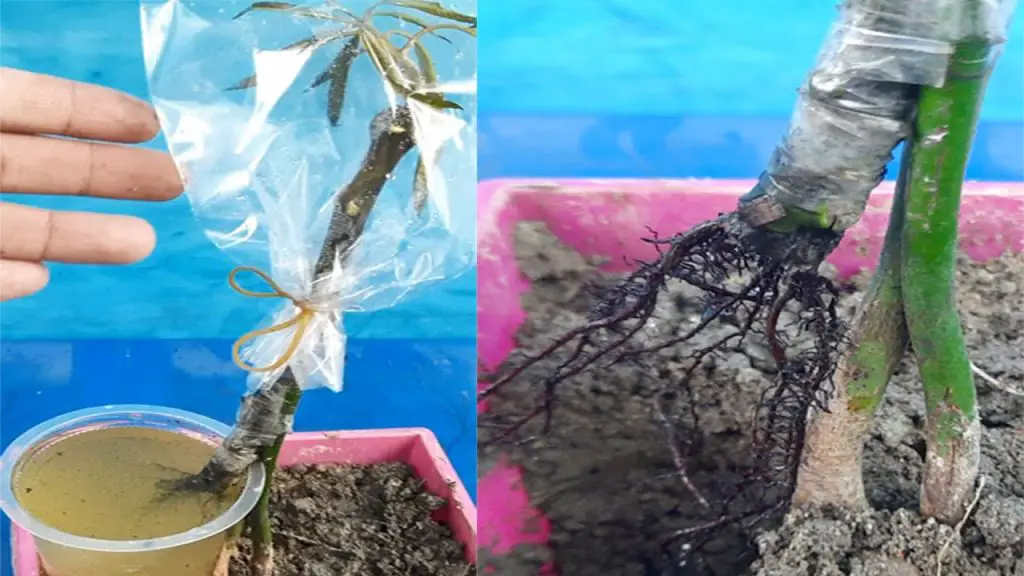
Why Graft Mango Trees?
Grafting offers several benefits when growing mango trees, including:
- Faster fruit production: Grafted mango trees typically start producing fruit in 2 to 3 years, compared to 5 to 7 years for trees grown from seed.
- Improved fruit quality: Grafting allows you to combine the best traits of different mango varieties, resulting in better flavor, size, and texture.
- Disease resistance: Grafting allows the use of rootstocks that are resistant to diseases, promoting the overall health of the tree.
- Better adaptability: Grafting allows mango trees to grow in different soil types and climates by selecting the appropriate rootstock.
1. New Mango Grafting Method: The Approach
Recent advancements in mango grafting have led to the development of a more efficient and reliable technique. The new mango grafting method focuses on precision, speed, and ensuring a successful graft union. One popular method involves the cleft grafting technique, which has been modified for better results.
Key Steps for the New Mango Grafting Method:
- Select a Healthy Rootstock
The rootstock is the base plant onto which you graft the mango variety. Choose a disease-resistant rootstock with strong growth potential. Typically, seedling rootstocks are used, but clonal rootstocks can also be used for more consistent results. - Choose the Scion Wood
The scion wood is the part of the mango tree that you want to propagate. Select healthy, disease-free wood from a mature tree that produces high-quality fruit. The scion should be around 6 to 12 inches long with at least 2 to 3 buds. - Prepare the Rootstock
Cut the rootstock at an angle, creating a clean, smooth surface. The angle should be around 45 degrees. This provides a larger area for the graft to attach and heal faster. - Prepare the Scion
Trim the scion at an angle to match the cut on the rootstock. Make sure the cut on the scion is clean and straight for the best graft union. - Join the Scion and Rootstock
The key to a successful graft is ensuring that the vascular cambium (the tissue that transports water and nutrients) of both the scion and rootstock are in contact. Align the cambium layers carefully when joining the two parts. - Secure the Graft Union
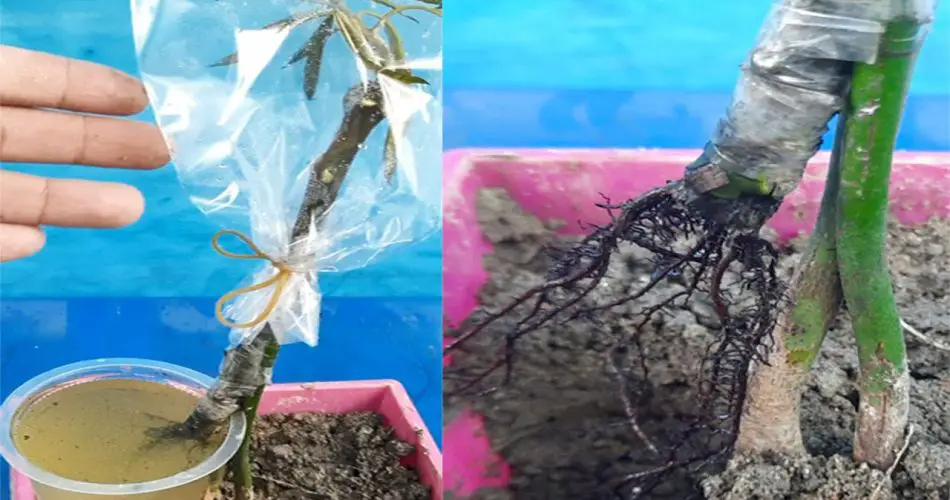
Once the scion and rootstock are aligned, bind them together using grafting tape or a grafting rubber band. The goal is to hold them tightly together without damaging the tissues. Make sure the union is secure and protected from moisture loss. - Seal and Protect the Graft
After securing the graft, cover it with a grafting wax or sealant to prevent infection and dehydration. This helps keep the graft union moist and promotes faster healing. - Care for the Grafted Mango Tree
After grafting, place the tree in a shaded, humid environment for a few weeks until the graft has healed and new shoots begin to emerge. Regular watering and monitoring are essential during this phase. Once the graft has successfully established, move the tree to full sunlight for optimal growth.
2. Best Grafting Techniques for Mango Trees
In addition to the new mango grafting method, there are several proven grafting techniques that can be used to improve your chances of success:
A. Cleft Grafting
Cleft grafting is one of the most common techniques for mango trees. It involves splitting the rootstock and inserting the scion into the cleft. This technique is simple, highly effective, and widely used in mango cultivation.
- Advantages: This method provides a large graft surface for better cambium contact and ensures strong graft unions.
- Best for: Young rootstocks that are around 1 to 2 years old.
B. Whip and Tongue Grafting
In whip and tongue grafting, both the rootstock and scion are cut with a complementary tongue-like shape, allowing them to fit together snugly. This method is often used in high-value mango varieties for more precise grafting.
- Advantages: The tongues help the scion and rootstock align perfectly, leading to a stronger graft union.
- Best for: Grafting smaller, more delicate scions.
C. Side Veneer Grafting
Side veneer grafting involves making a slanted cut on the side of the rootstock and inserting a matching scion. This method is ideal for thicker rootstocks.
- Advantages: This technique is less invasive, allowing for quicker healing and less stress on the tree.
- Best for: Rootstocks with larger diameters.
3. Tips for Successful Mango Grafting
For best results with mango grafting, keep these tips in mind:
- Choose the right season: Grafting is best done during the warm growing season, when both the scion and rootstock are actively growing.
- Maintain proper hygiene: Always use sterile tools to prevent the introduction of diseases. Clean your knives and grafting materials thoroughly before starting.
- Monitor graft success: Check the graft union regularly to ensure it is healing properly. If there is any sign of infection or rot, remove the affected graft and try again.
- Patience is key: It may take a few weeks for the graft to successfully take hold, so be patient and avoid disturbing the graft.
4. Conclusion
The new mango grafting method offers a more reliable and efficient way to propagate mango trees. By following the proper techniques and caring for the graft carefully, you can enjoy faster fruit production, better quality mangoes, and healthier trees. Whether you’re a beginner or an experienced gardener, mastering mango grafting can take your horticultural skills to the next level and help you grow beautiful, productive mango trees in no time.
Happy grafting and best of luck with your mango-growing journey!